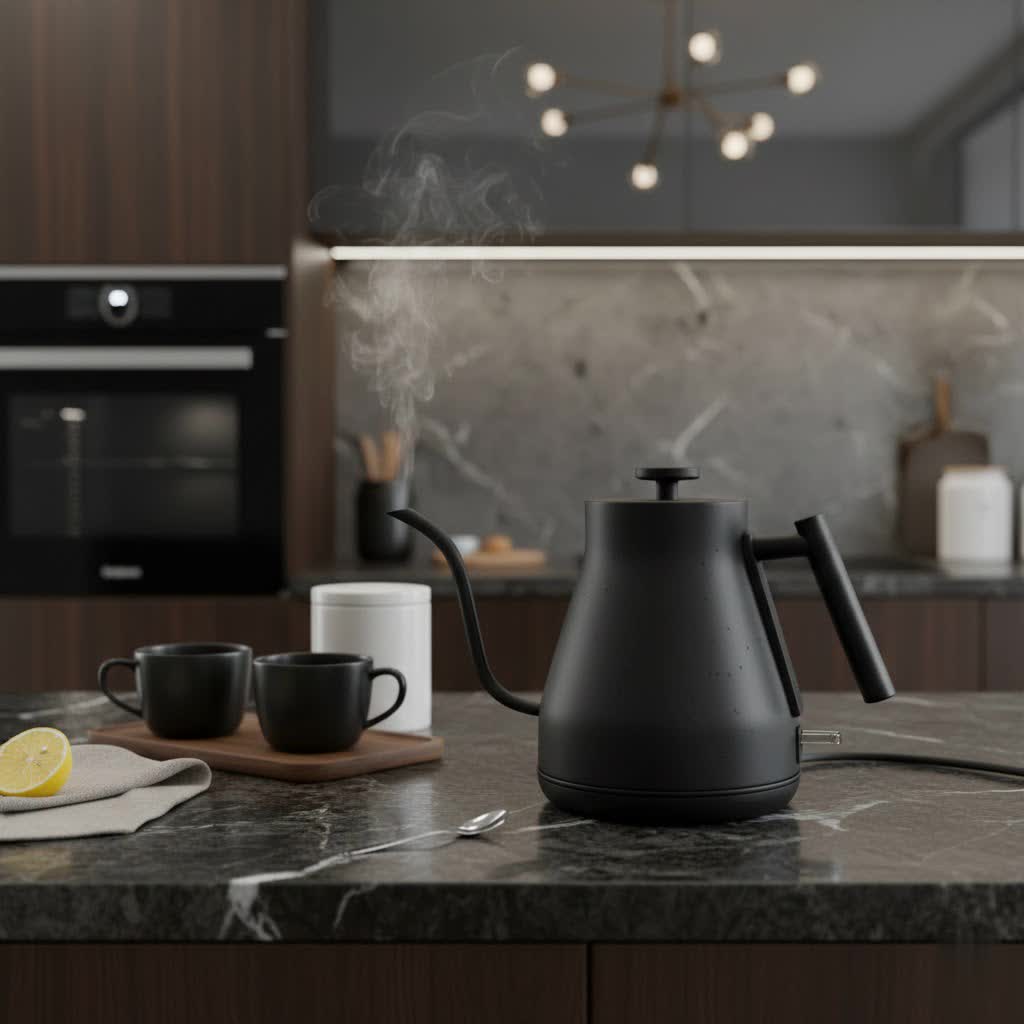
Pour-over coffee isn’t just a brewing method; it’s an art form, a mindful ritual that yields a remarkably clean, nuanced cup. Achieving this perfection hinges on several factors, with the kettle playing a starring role in the precision and control required. This guide will walk you through everything you need to know, from essential equipment to advanced techniques, ensuring your electric kettle helps you brew an exceptional pour-over every time.
The Art of Pour-Over: A Brief History
The pour-over method boasts a rich history, tracing its origins back to Melitta Bentz in 1908, who invented the first paper coffee filter. This innovation revolutionized coffee brewing, moving beyond murky grounds to a cleaner, clearer cup. Over the decades, the technique evolved, becoming a hallmark of specialty coffee culture. Modern pour-over emphasizes precision in every step, from grind size to water temperature and, crucially, the controlled pour, a skill significantly enhanced by specialized kettles. The slow, deliberate act of pouring allows for a gentle, even extraction, bringing forth the delicate aromatics and bright acidity often lost in other brewing styles. This method is cherished by enthusiasts worldwide for its ability to highlight the unique characteristics of single-origin beans.
Essential Equipment for Your Perfect Pour-Over
Crafting the perfect pour-over requires a few key pieces of equipment, each contributing to the consistency and quality of your brew. Investing in these tools will elevate your coffee experience from good to extraordinary.
- Pour-Over Device: The brewing device itself is fundamental. Popular options include the Hario V60, known for its conical shape and large hole that allows for a faster flow rate, encouraging nuanced flavors. The Chemex offers a thicker filter and elegant design, yielding an exceptionally clean cup. Kalita Wave brewers, with their flat bottom and three holes, are often considered more forgiving, promoting even extraction. Each device imparts a slightly different character to the coffee, inviting experimentation.
- Gooseneck Kettle: This is arguably the most critical tool for pour-over, especially an electric gooseneck kettle with temperature control. Its long, slender spout provides unparalleled control over the water flow, allowing you to direct hot water precisely and consistently over the coffee grounds. This precision is vital for saturating the grounds evenly and managing extraction, preventing over or under-extraction.
- Burr Grinder: A high-quality burr grinder is indispensable. It produces a consistent particle size, which is essential for even extraction. Blade grinders, on the other hand, chop beans inconsistently, leading to a mix of fine dust and large chunks that result in an uneven, often bitter, or weak brew. A medium-fine grind is generally recommended for pour-over, resembling table salt.
- Digital Scale: Precision is paramount in pour-over. A digital kitchen scale allows you to accurately measure your coffee beans and the amount of water poured, ensuring a consistent coffee-to-water ratio. This removes guesswork and lets you replicate your favorite brews.
- Filters: Filters are specific to your pour-over device. Paper filters are most common, offering a clean cup by trapping fines and oils. Some enthusiasts prefer reusable metal filters for a fuller-bodied brew with more oils, though they may allow more sediment through. Rinsing paper filters before brewing is a common practice to remove any papery taste.
- Fresh Coffee Beans: The quality of your raw material cannot be overstated. Always use freshly roasted, high-quality coffee beans. The difference fresh beans make in flavor and aroma is profound, allowing you to fully appreciate the potential of your pour-over technique.
Mastering the Pour-Over Technique: Step-by-Step
Creating the perfect pour-over is a systematic process, each step building on the last to ensure optimal extraction and a delicious cup. Follow these steps meticulously, paying close attention to detail, and your gooseneck kettle will be your best ally.
Preparation is Key
Before you even touch your kettle, proper setup is crucial for a smooth brewing process. This foundational stage sets the tone for your entire pour-over experience, ensuring everything is ready for precise execution.
- Grind Your Beans: Begin by grinding your fresh coffee beans. For pour-over, a medium-fine grind is ideal, similar to coarse sand or table salt. This consistency allows water to flow through at an appropriate rate, extracting flavors effectively without leading to bitterness from over-extraction or weakness from under-extraction. Adjust your grinder to achieve this texture.
- Heat Your Water: Fill your gooseneck electric kettle with filtered water and set it to your desired temperature. The ideal water temperature for pour-over coffee is generally between 200°F and 207°F (93-97°C). If you’re using a stovetop kettle without precise temperature control, bring the water to a boil and then let it rest for 30-60 seconds off the heat to cool slightly to this range.
- Set Up Your Station: Place your pour-over device (e.g., V60, Chemex) on your digital scale, then position your chosen filter inside the device. Ensure the scale is tared (zeroed out) after adding the filter, so you can accurately measure the water as you pour.
- Rinse the Filter: Using your heated water, gently pour a small amount over the paper filter to rinse it thoroughly. This step removes any papery taste that could taint your coffee and simultaneously preheats your pour-over device and carafe. Discard the rinse water before adding your coffee grounds.
|
Our Picks for the Best Electric kettle in 2026
As an Amazon Associate I earn from qualifying purchases.
|
||
| Num | Product | Action |
|---|---|---|
| 1 | Chefman Electric Kettle with Temperature Control, 5 Presets LED Indicator Lights, Removable Tea Infuser, Glass Tea Kettle & Hot Water Boiler, 360° Swivel Base, BPA Free, Stainless Steel, 1.8 Liters |

|
| 2 | Cosori Electric Kettle, No Plastic Contact With Water, Wide Mouth For Easy Cleaning, Auto Shut Off, 1.7L Tea Kettle & Hot Water Boiler, Water Heater & Teapot, Borosilicate Glass, Black, 1500W |
|
| 3 | Cuisinart PerfecTemp 1.7-Liter Electric Kettle, Cordless Electric Tea Kettle, 1500W for Fast Heat-Up, 6 Preset Temperatures, 30-Minute Keep Warm, Stay Cool Nonslip Handle, CPK-17P1 |
|
| 4 | Mueller Rapid Boil Electric Tea Kettle 1.8L – Borosilicate Glass & Stainless Steel – BPA-Free Hot Water Boiler, LED Light, Auto Shut-Off, Boil Dry Protection Fast Water Heater – Kitchen Appliances |
|
| 5 | Amazon Basics Electric Stainless Steel Kettle for Tea and Coffee, BPA-Free, Fast Boiling, Auto Shut-Off, 1 Liter, 1500W, Black and Silver |
|
| 6 | Amazon Basics Electric Kettle with Glass Carafe for Tea and Coffee, Fast Boiling, Auto Shut-Off, Boil-Dry Protection, Temperature Control, Removable Filter, 1 Liter, 1500W, BPA-Free |
|
| 7 | OVENTE Electric Kettle, 1.7L Fast Boiling Water Heater for Coffee or Tea, BPA Free with Water Level Gauge, Auto Shut-Off, Boil-Dry Protection, Indicator Light and Removable Filter, White KP72W |
|
| 8 | OVENTE Electric Kettle, 1.5L Borosilicate Glass Countertop Water Heater and Boiler for Coffee or Tea, BPA-Free, Auto Shut-Off, Boil-Dry Protection, Removable and Washable Spout Filter, Black KG83B |
|
| 9 | Chefman Electric Kettle with Tea Infuser, Compact 1L (4 Cups), 1500W, Removable Lid for Easy Cleaning, Boil-Dry Protection, Stainless Steel Filter, BPA Free, Auto Shut Off, Small Electric Tea Kettle |
|
| 10 | Chefman Electric Kettle, 1.8L 1500W, Hot Water Boiler, Removable Lid for Easy Cleaning, Auto Shut Off, Boil-Dry Protection, Stainless Steel Filter, BPA Free, Borosilicate Glass Electric Tea Kettle |
|
The Bloom Phase
The bloom is a vital, often overlooked, step that significantly impacts the final taste of your pour-over. This initial pour prepares the coffee grounds for optimal extraction by releasing trapped gases.
- Why it’s important: When freshly roasted coffee comes into contact with hot water, it releases carbon dioxide. This process, known as degassing or blooming, creates bubbles and allows the coffee bed to expand. By allowing the coffee to bloom, you ensure that subsequent pours penetrate the grounds evenly, leading to a more balanced and flavorful extraction. Skipping this step can result in channeling and uneven brewing.
- How to execute: After placing your ground coffee into the rinsed filter and taring your scale, begin the bloom. Using your gooseneck kettle, slowly and evenly pour about twice the weight of your coffee in water over the grounds. For example, if you’re using 20 grams of coffee, pour 40 grams of water. Ensure all grounds are saturated. Let the coffee bloom for 30 to 45 seconds, observing the grounds expanding and bubbling. This pause is crucial for the release of CO2.
The Main Pour
Once the bloom is complete, the main pour begins, which is where the gooseneck kettle truly shines. This phase requires a steady hand and consistent technique to ensure proper extraction.
- Technique with a Gooseneck Kettle: With its precise spout, your gooseneck kettle allows you to execute a slow, steady, circular motion when pouring. Start pouring in the center of the coffee bed and slowly spiral outwards, then back towards the center, avoiding pouring water directly onto the filter walls. This technique ensures even saturation of the coffee grounds and prevents water from bypassing the coffee bed entirely.
- Pouring Strategy: There are two main approaches: pulsed pours or a continuous pour. Pulsed pours involve pouring in several stages, allowing the water to drain slightly between each pour, helping to maintain an optimal water level. A continuous pour, on the other hand, involves a steady, uninterrupted stream after the bloom, often favored for finer grinds or thicker filters like the Chemex. The goal is to keep the coffee bed saturated without overflowing, ideally maintaining the water level between half and two-thirds full in the brewer.
- Achieving the Right Ratio: Throughout the main pour, monitor your digital scale. Continue pouring until you reach your desired coffee-to-water ratio. A common starting point is a 1:17 ratio (e.g., 20g coffee to 340g water). Stop pouring once the scale indicates the target water weight.
- Total Brew Time: The entire brewing process, from the start of the bloom to the final drip, should typically take between 2.5 and 4 minutes, depending on your device and grind size. If your brew is too fast, your grind might be too coarse; if it’s too slow, it might be too fine.
Finishing Up
Once the water has fully filtered through the grounds, your pour-over is complete. Carefully remove the pour-over device and filter, and then serve your freshly brewed coffee. Take a moment to appreciate the aromas before enjoying your perfectly crafted cup.
Optimizing Your Pour-Over: Advanced Tips and Troubleshooting
While the basic steps are crucial, refining your pour-over technique involves understanding nuanced details and knowing how to troubleshoot common issues. Small adjustments can significantly impact the flavor profile of your final brew.
- Water Quality: The quality of your water has a profound impact on coffee taste. Filtered water is highly recommended, as tap water often contains minerals or chlorine that can detract from the coffee’s flavor. Water that is too soft or too hard can also affect extraction, so aim for neutral, clean-tasting water.
- Coffee-to-Water Ratio Fine-Tuning: The 1:17 ratio is a great starting point, but don’t hesitate to personalize your brew. If you prefer a stronger cup, try a 1:15 ratio; for a lighter brew, go for 1:18 or 1:20. Small adjustments can unlock different flavors and textures, allowing you to tailor the coffee to your preference.
- Adjusting Grind Size: Your grind size directly influences the extraction rate. If your coffee tastes sour or weak (under-extracted), try a finer grind to increase contact time with water. If it tastes bitter or astringent (over-extracted), a coarser grind will reduce contact time. A consistent grind is key, so make small, deliberate adjustments.
- Troubleshooting Common Issues:
- Bitter Coffee: This often indicates over-extraction. The grind might be too fine, the water too hot, or the brew time too long. Try a coarser grind, slightly cooler water, or a faster pour.
- Weak Coffee: Conversely, weak or sour coffee suggests under-extraction. The grind may be too coarse, the water too cool, or the brew time too short. Experiment with a finer grind, hotter water, or a slower pour.
- Slow Drawdown: If water drains very slowly, your grind might be too fine, or your filter could be clogged with fines. Ensure your grind is appropriate and consider a gentler pour to minimize agitation of the coffee bed.
- Uneven Extraction: If the coffee tastes inconsistent, your pour technique might be uneven. Focus on a steady, circular pour with your gooseneck kettle, ensuring all grounds are saturated equally and avoiding pouring down the sides of the filter.
Choosing the Right Kettle for Pour-Over Coffee
The kettle is not just a water heater; it’s a precision instrument for pour-over. Selecting the right one is crucial for achieving consistent and controlled pours.
Types of Kettles
While any kettle can boil water, the nuances of pour-over demand specific design features.
- Gooseneck Kettles: These are the gold standard for pour-over coffee for a reason. Their long, slender, curved spout provides incredible control over the flow rate and direction of water. This precision allows for even saturation of the coffee grounds, preventing channeling and promoting optimal extraction. Without a gooseneck spout, achieving the necessary control for a consistent pour is exceptionally challenging.
- Electric vs. Stovetop Gooseneck Kettles: Electric gooseneck kettles offer the convenience of rapid boiling and, critically, precise temperature control. Many models allow you to set the water to an exact degree, which is invaluable for consistent brewing. Stovetop gooseneck kettles are often more budget-friendly and can be aesthetically pleasing, but they require a separate thermometer to monitor water temperature accurately.
Key Features to Look For
When investing in a kettle for pour-over, several features stand out as essential for maximizing your brewing potential.
- Temperature Control: This is perhaps the most significant feature for an electric kettle. Precise temperature control allows you to heat water to the exact ideal range (200-207°F / 93-97°C) for pour-over. Many high-end electric kettles offer digital displays and preset temperatures, ensuring consistency with every brew.
- Pour Speed & Control: Beyond just the gooseneck spout, consider how the kettle feels in your hand. The balance and ergonomics are important for maintaining a steady, slow pour. Some gooseneck designs are better than others for extremely slow flow rates, crucial for precise blooming and main pours.
- Material: Kettles are commonly made from stainless steel or glass. Stainless steel is durable and retains heat well, while glass offers a stylish aesthetic and allows you to see the water boiling. Both are excellent choices, with personal preference often being the deciding factor. Avoid plastic components that come into contact with water, as they can sometimes impart unwanted flavors.
- Capacity: Consider your brewing needs. Are you typically brewing for one cup or for a small group? Kettles range in capacity, from compact travel-sized options to larger models. A 0.8-liter to 1.2-liter capacity is generally sufficient for most home pour-over brewers.
- Safety Features: Look for features like automatic shut-off and boil-dry protection, which enhance safety and prevent damage to the kettle. These are standard in most reputable electric models.
- Brand Reputation: Well-known brands in the coffee world often produce reliable and high-performing kettles. Researching user reviews and expert opinions can guide you toward trusted manufacturers known for quality and durability.
- Price Range: Kettles for pour-over vary significantly in price. Basic stovetop models are more affordable, while electric kettles with precise temperature control can be a significant investment. Consider your budget and how frequently you’ll be using the kettle.
Maintenance and Care for Your Pour-Over Kettle
Proper maintenance ensures the longevity and optimal performance of your pour-over kettle. Regular cleaning prevents mineral buildup and keeps your water tasting pure.
- Cleaning Your Kettle (Descaling): Over time, mineral deposits from water, especially hard water, can accumulate inside your kettle, forming limescale. This can affect heating efficiency and even impart off-flavors to your water. To descale your kettle, fill it with a mixture of equal parts white vinegar and water, or use a dedicated descaling solution. Bring the mixture to a boil and let it sit for 20-30 minutes before pouring it out and rinsing thoroughly. Repeat as needed, usually monthly or bi-monthly depending on water hardness.
- Storing Your Kettle: Always ensure your kettle is completely dry before storing it to prevent mold or mildew. Store it in a clean, dry place, away from direct sunlight or extreme temperatures.
Where to Buy Your Perfect Pour-Over Kettle
Finding the right pour-over kettle is easier than ever with a variety of purchasing options available. Whether you prefer to shop in person or online, you’ll find numerous choices.
- Specialty Coffee Shops and Retailers: Many local specialty coffee shops carry a selection of pour-over equipment, including gooseneck kettles. This allows you to see and feel the kettle before purchasing and often provides an opportunity to ask knowledgeable staff for recommendations.
- Online Retailers: Websites like Amazon, World Market, and dedicated coffee equipment sites (e.g., Fellow, Hario’s official sites) offer an extensive range of electric and stovetop gooseneck kettles. Shopping online provides a broader selection and competitive pricing, but always check customer reviews and return policies.
- Department Stores: Larger department stores with kitchenware sections may also carry some popular pour-over kettle brands.
When buying online, pay close attention to the kettle’s specifications, especially regarding capacity, material, and temperature control features. Reading reviews from other pour-over enthusiasts can provide valuable insights into a kettle’s performance and durability.
In conclusion, perfecting pour-over coffee is a journey of precision and appreciation. By understanding the critical role of each piece of equipment, particularly your gooseneck electric kettle, and mastering the step-by-step technique, you can consistently brew an exceptional cup. The satisfaction of crafting a pour-over coffee that perfectly extracts the subtle flavors of your favorite beans is unmatched. So, grab your kettle, experiment with ratios, and enjoy the delicious results. What is your favorite aspect of the pour-over coffee ritual?
Frequently Asked Questions
What is the ideal water temperature for pour-over coffee?
The ideal water temperature for pour-over coffee generally falls between 200°F and 207°F (93-97°C). This range effectively extracts desirable flavors without over-extracting bitter notes or under-extracting for a weak brew. Using a temperature-controlled electric kettle allows for precise adjustments to find your perfect sweet spot.
How important is a gooseneck kettle for pour-over?
A gooseneck kettle is highly important for pour-over coffee. Its unique spout design provides precise control over water flow, allowing you to saturate coffee grounds evenly in a controlled circular motion. This precision is crucial for consistent extraction and achieving a balanced, flavorful cup, making it a key tool for any pour-over enthusiast.
What grind size should I use for pour-over?
For pour-over coffee, a medium-fine grind size is recommended, resembling coarse sand or table salt. This consistency allows water to flow through the coffee bed at an optimal rate, facilitating proper extraction. If your coffee tastes weak, try a finer grind; if it’s too bitter, a slightly coarser grind might be needed.
How long should the bloom last?
The bloom phase should typically last for 30 to 45 seconds. This initial pour allows the coffee grounds to degas by releasing trapped carbon dioxide, which ensures a more even saturation during subsequent pours. Observing the bubbling and expansion of the coffee bed indicates a successful bloom.
Can I make pour-over without a scale?
While you can attempt to make pour-over without a scale, it is highly recommended to use one for consistent results. A digital scale allows for precise measurement of both coffee grounds and water, ensuring an accurate coffee-to-water ratio. Without a scale, replicating your perfect brew becomes significantly more challenging and less consistent.