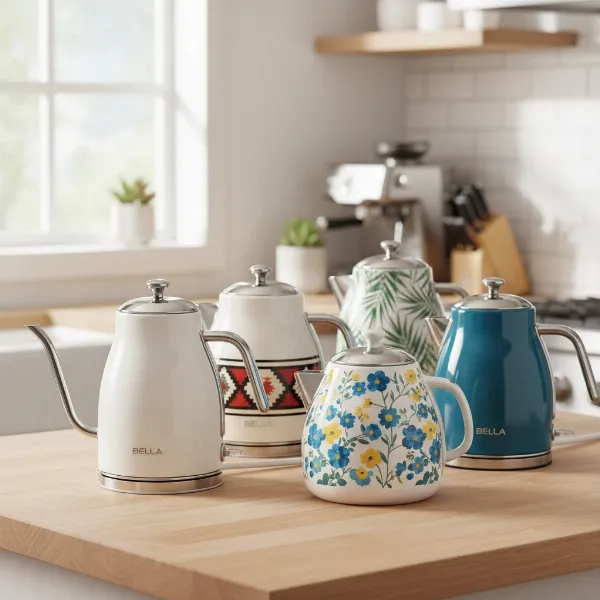
Choosing the perfect electric kettle for your kitchen can feel like a daunting task, especially with the array of materials available. Among the most popular contenders, ceramic and stainless steel electric kettles stand out, each bringing unique advantages and considerations to the countertop. As an expert who has spent over a decade meticulously examining and testing countless kettle models, from the most basic to high-tech marvels, I understand the nuances of what makes a kettle truly suitable for daily use. This comprehensive guide will delve into the intricacies of ceramic and stainless steel electric kettles, helping you navigate their differences to find the ideal appliance for your needs and budget.
Electric Kettle: Overview and Buying Guide
Electric kettles have revolutionized the way we boil water, offering unparalleled convenience and efficiency. Gone are the days of waiting for a stovetop kettle to whistle; modern electric models provide rapid boiling and a host of smart features that enhance the hot beverage experience.
Evolution of Electric Kettles
Table is empty.The journey of the electric kettle began with simple, functional designs aimed solely at heating water. Over the decades, these essential kitchen appliances have undergone significant transformation. Early models were robust but lacked sophistication. Today, advancements in technology have introduced features like precise temperature control, automatic shut-off mechanisms, keep-warm functions, and even smart connectivity. This evolution has made electric kettles not just utility items but integral components of modern kitchen aesthetics and efficiency.
Types of Electric Kettles
While our focus is on ceramic and stainless steel, it’s helpful to understand the broader landscape of electric kettles:
- Standard Rapid-Boil Kettles: These are the most common, designed for quickly bringing water to a rolling boil. They often feature an on/off switch and automatic shut-off.
- Temperature-Controlled Kettles: Ideal for tea connoisseurs or pour-over coffee enthusiasts, these kettles allow users to select specific temperatures, preventing scorching delicate teas or optimizing coffee extraction.
- Glass Electric Kettles: Offering a visually appealing way to watch water boil, these are typically made from heat-resistant borosilicate glass. While stylish, they share some fragility concerns with ceramic.
- Travel Electric Kettles: Compact and often foldable, these are designed for portability, typically with smaller capacities.
How to Choose the Right Electric Kettle
Beyond the material, several factors influence the suitability of an electric kettle for your home:
- Capacity: Consider your usage. A 1-liter kettle is often sufficient for personal use or a small household, while families or frequent entertainers might opt for 1.7-liter or larger models.
- Power (Wattage): Higher wattage (e.g., 1500W to 2200W) generally translates to faster boiling times. This also impacts energy consumption, with more efficient models boiling water quicker and reducing overall energy use.
- Features:
- Automatic Shut-off: A crucial safety feature that turns off the kettle once water boils or if it boils dry.
- Temperature Control: Essential for brewing various types of tea (green, white, black) or coffee at their optimal temperatures.
- Keep-Warm Function: Maintains water at a set temperature for an extended period, convenient for multiple servings.
- Boil-Dry Protection: Prevents damage by shutting off if the kettle is turned on with no water inside.
- Limescale Filter: Helps prevent mineral deposits from being poured into your beverage.
- Brand Reputation: Investing in reputable brands often ensures better quality, durability, and customer support. Researching user reviews can provide valuable insights into a kettle’s real-world performance.
- Price Range: Electric kettles come in various price points. While budget-friendly options exist, premium models often offer enhanced features, superior materials, and longer lifespans.
Ceramic vs. Stainless Steel Electric Kettles: The Deep Dive
When it comes to selecting the best material for your electric kettle, ceramic and stainless steel each present a compelling case. The “better” choice ultimately depends on your priorities, whether they lean towards aesthetics, performance, health considerations, or durability.
Aesthetic Appeal and Design
The visual presence of a kettle on your countertop significantly contributes to your kitchen’s overall ambiance.
- Ceramic Electric Kettles: Renowned for their elegant, classic, and often artistic designs. Their smooth, glossy surfaces come in a vast array of colors, patterns, and finishes, allowing them to serve as a decorative statement piece. A ceramic kettle can evoke a sense of warmth and tradition, perfectly complementing both rustic and modern decors with a touch of personality.
- Stainless Steel Electric Kettles: Project a sleek, modern, and industrial aesthetic. With their polished or brushed finishes, they seamlessly blend with contemporary kitchen appliances, offering a timeless and professional look. Stainless steel kettles often appeal to those who prefer minimalist designs and a cohesive, high-tech kitchen environment.
Performance and Efficiency
How quickly and effectively a kettle boils water and maintains its temperature are key performance indicators.
- Heating Speed: Stainless steel electric kettles generally heat water faster than their ceramic counterparts. This is due to stainless steel’s superior thermal conductivity, allowing heat to transfer more rapidly through the material to the water. For those who prioritize speed in their busy mornings, stainless steel often proves more efficient.
- Heat Retention: Ceramic kettles excel in heat retention. Once the water reaches the desired temperature, ceramic’s insulating properties keep the water hot for a significantly longer period. This is particularly beneficial for brewing delicate teas that require precise temperature control over time or for users who enjoy multiple cups without constant re-boiling. While stainless steel kettles also retain heat, they tend to dissipate it more quickly.
- Temperature Control: Both ceramic and stainless steel electric kettles can come equipped with advanced temperature control settings. However, ceramic’s natural ability to retain heat can enhance the effectiveness of these controls, maintaining chosen temperatures with greater stability for extended periods.
Health and Safety Considerations
For many, the health implications of kitchen appliances are a paramount concern.
- Ceramic Electric Kettles: Are generally considered a safe and non-reactive material. They do not impart metallic tastes or odors to the water, ensuring pure-tasting beverages. High-quality ceramic kettles are free from BPA (if plastic components are minimized) and are made from natural materials. A critical consideration, however, is the potential for lead or cadmium leaching from glazes in cheaper or unregulated ceramic products. Always ensure you purchase kettles that explicitly state they are lead-free and cadmium-free from reputable manufacturers.
- Stainless Steel Electric Kettles: Food-grade stainless steel (e.g., 304 or 18/8) is widely regarded as safe for boiling water. It is non-corrosive and does not typically leach harmful chemicals. However, some users report a faint metallic taste, particularly with newer or lower-quality stainless steel models, which usually dissipates with initial uses and proper cleaning. Concerns about nickel and chromium leaching are minimal with high-quality stainless steel.
Durability and Longevity
The lifespan and resilience of your kettle are important factors for long-term value.
- Ceramic Electric Kettles: While durable in everyday use, ceramic is inherently more fragile than metal. It is susceptible to chipping, cracking, or breaking if dropped or exposed to sudden, extreme temperature changes. Ceramic kettles are also noticeably heavier than stainless steel alternatives, which can make them more challenging to handle, especially when full and hot.
- Stainless Steel Electric Kettles: Built for resilience, stainless steel kettles are highly durable, resistant to dents, scratches, and rust. They can withstand accidental bumps and drops far better than ceramic, often boasting a longer overall lifespan. Their lighter weight also contributes to easier handling and reduced risk of accidents.
Maintenance and Cleaning
Ease of cleaning and long-term care varies between the materials.
- Ceramic Electric Kettles: The smooth glazed surface of ceramic is relatively easy to wipe clean. Tannin stains from tea are generally easier to remove from ceramic glaze compared to metal. However, care must be taken to avoid abrasive cleaners or harsh scrubbing that could damage the glaze. Discoloration can occur over time if not regularly cleaned.
- Stainless Steel Electric Kettles: Stainless steel is largely stain-resistant and does not absorb odors. They are generally straightforward to clean, often requiring just a simple wipe-down and regular descaling. Limescale buildup, a common issue in hard water areas, is often more visible on stainless steel surfaces but can be effectively removed with vinegar or citric acid solutions.
Environmental Impact
- Ceramic: Made from natural materials like clay, ceramic is often viewed as a more environmentally friendly option, provided the manufacturing process is sustainable and glazes are free of heavy metals.
- Stainless Steel: Highly recyclable, making it a sustainable choice at the end of its life cycle. The production process, however, is more energy-intensive than ceramic.
Price
- Stainless Steel Electric Kettles: Generally more affordable and widely available across various price points, offering good value for money.
- Ceramic Electric Kettles: Can be more expensive, especially those with intricate designs or from artisanal brands, reflecting their aesthetic appeal and perceived premium quality.
Comparison Table: Ceramic vs. Stainless Steel Electric Kettles
| Feature | Ceramic Electric Kettles | Stainless Steel Electric Kettles |
|---|---|---|
| Aesthetics | Elegant, traditional, diverse patterns, statement piece | Sleek, modern, industrial, timeless, blends with appliances |
| Heating Speed | Slower | Faster |
| Heat Retention | Superior, keeps water hot longer | Good, but dissipates heat faster |
| Health & Safety | Non-reactive, no metallic taste; ensure lead/cadmium-free glazes | Food-grade safe, minimal leaching; potential metallic taste |
| Durability | More fragile, prone to chips/cracks | Highly durable, resistant to dents/scratches/rust |
| Weight | Heavier | Lighter |
| Maintenance | Easy to clean glaze, delicate care needed | Easy to clean, stain-resistant, requires descaling |
| Environmental | Natural materials, less energy-intensive production | Highly recyclable, more energy-intensive production |
| Price | Often more expensive, especially designer models | Generally more affordable |
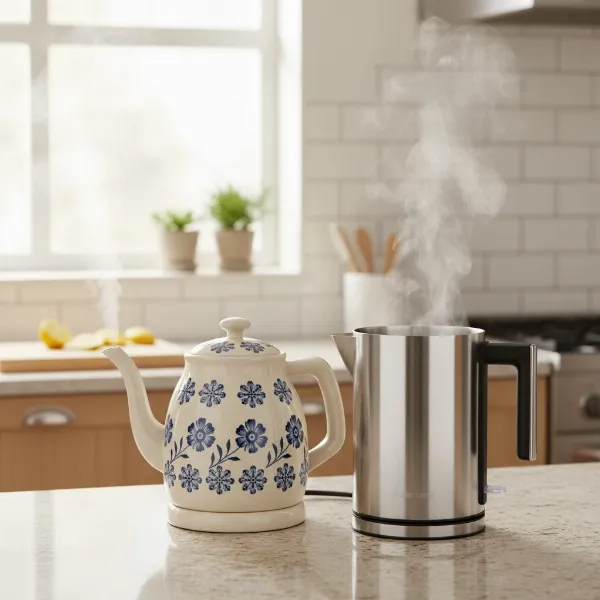 A close-up comparison of a ceramic electric kettle and a stainless steel electric kettle side-by-side, showcasing their distinct textures and finishes, with steam rising from both.
Tips for Using and Maintaining Your Electric Kettle
Proper care ensures longevity and optimal performance for any electric kettle, regardless of material.
- Vệ sinh ấm đun nước điện đúng cách (Proper Cleaning): Regularly wipe the exterior with a damp cloth. For the interior, especially in hard water areas, descale your kettle every 1-3 months. Fill the kettle with a mixture of equal parts water and white vinegar (or a descaling solution), bring it to a boil, let it sit for 20-30 minutes, then rinse thoroughly multiple times. This prevents mineral buildup that can affect taste and efficiency.
- Khử cặn bám trong ấm (Descaling): Limescale is the enemy of any kettle. Regular descaling is crucial. A vinegar solution is a common and effective home remedy. Alternatively, use citric acid or commercial descaling products according to the manufacturer’s instructions.
- Bảo quản ấm đun nước điện để kéo dài tuổi thọ (Storage for Longevity): Always ensure the kettle is completely dry before storing. Avoid storing water in the kettle for extended periods. For ceramic kettles, handle with care to prevent accidental drops or knocks that could cause chipping or cracking.
Common Issues and Troubleshooting
Even the best electric kettles can encounter problems. Here are some common issues and straightforward troubleshooting steps:
- Ấm không hoạt động (Kettle Not Working): Check if the kettle is properly seated on its base and if the power cord is securely plugged into a working outlet. Ensure the on/off switch is engaged.
- Ấm đun nước lâu sôi (Slow Boiling): This can be a sign of significant limescale buildup inside the kettle. Descale it thoroughly. If the issue persists, the heating element might be weakening, suggesting it’s time for a replacement.
- Ấm bị rò rỉ nước (Kettle Leaking): Inspect the seals around the lid, spout, and water level indicator. Overfilling can also cause leaks. If the body itself is cracked (more common with ceramic), the kettle is unsafe and needs to be replaced.
- Ấm có mùi lạ (Unusual Odor/Taste): For new kettles, a slight plastic or metallic smell can be present initially; boil and discard water a few times. If the taste persists, especially metallic with stainless steel, try descaling. For ceramic, ensure it’s lead/cadmium-free.
Mua Ấm Đun Nước Điện Ở Đâu? (Where to Buy Electric Kettles?)
Finding your ideal electric kettle is easier than ever with numerous purchasing options available.
- Các cửa hàng điện máy (Appliance Stores): Physical retailers offer the advantage of seeing and feeling the kettle before purchase. You can assess its weight, design, and often receive in-person advice from sales associates.
- Các trang web bán hàng trực tuyến (Online Retailers): Websites like Amazon, Best Buy, Target, and specialty kitchenware stores provide a vast selection, competitive pricing, and the convenience of home delivery.
- Lưu ý khi mua hàng online (Considerations for Online Purchase): Always check customer reviews and ratings, paying attention to comments on durability, performance, and potential issues like metallic taste or fragility. Verify the seller’s reputation and look for kettles that explicitly state safety certifications (e.g., BPA-free, lead-free glazes for ceramic).
Conclusion
The choice between a ceramic electric kettle and a stainless steel electric kettle ultimately boils down to a blend of personal preferences and practical needs. If aesthetic appeal, superior heat retention, and a pure, untainted taste are your top priorities, a high-quality, lead-free ceramic electric kettle might be your ideal companion. Its artistic charm and ability to keep water hot for longer can enhance your daily tea rituals. However, if you value speed, unparalleled durability, and a lightweight design for frequent, robust use, then a food-grade stainless steel electric kettle is likely the more practical and long-lasting choice.
Both materials offer excellent options in the modern kitchen, each with distinct strengths and minor compromises. By carefully weighing these factors against your lifestyle, you can confidently select an electric kettle that not only serves its primary function but also brings joy and efficiency to your hot beverage preparation for years to come. Which material best aligns with your vision of the perfect kitchen appliance?
Frequently Asked Questions
Are ceramic electric kettles truly non-toxic?
High-quality ceramic electric kettles made from reputable brands are generally considered non-toxic. They are inert, meaning they don’t leach chemicals or impart flavors into the water. However, it’s crucial to choose kettles that explicitly state they use lead-free and cadmium-free glazes, as cheaper ceramics can pose health risks.
Which material boils water fastest?
Stainless steel electric kettles typically boil water faster than ceramic kettles. This is due to stainless steel’s higher thermal conductivity, which allows heat to transfer more efficiently and rapidly to the water. Ceramic, while excellent for heat retention, is a slower conductor.
Do stainless steel kettles affect taste?
In most high-quality, food-grade stainless steel electric kettles, a metallic taste is rarely an issue after initial uses and proper cleaning. However, some users might report a subtle metallic aftertaste, particularly with lower-grade stainless steel or if the kettle is new. This can often be resolved by boiling and discarding water a few times.
How long do ceramic electric kettles last compared to stainless steel?
Stainless steel Electric Kettles generally boast a longer lifespan due to their superior durability and resistance to impacts, rust, and scratches. Ceramic kettles, while robust in daily use, are more fragile and susceptible to chipping or cracking if dropped or exposed to sudden temperature changes, potentially shortening their lifespan.
Are ceramic kettles more energy-efficient?
Ceramic kettles are often considered more energy-efficient in terms of heat retention. Once water reaches the desired temperature, ceramic’s natural insulating properties keep the water hot for a longer period, reducing the need for re-boiling. However, stainless steel heats water faster, which can also contribute to overall energy efficiency by minimizing heating time.