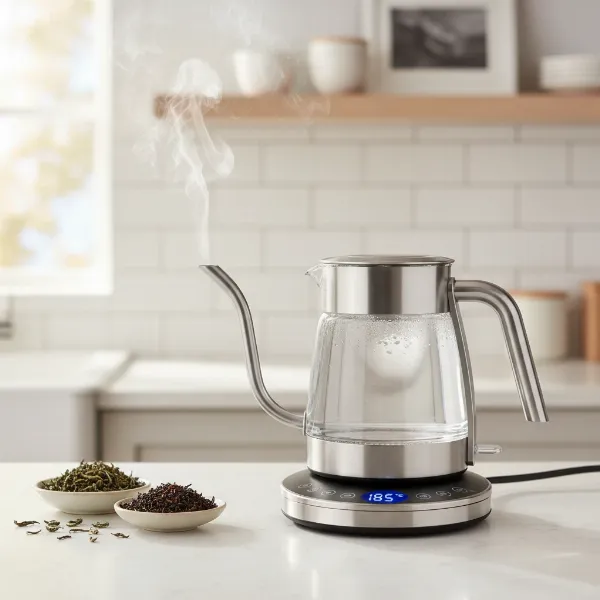
In the fast-paced rhythm of modern life, the electric kettle stands as an unsung hero, silently transforming cold water into boiling readiness for your morning coffee, comforting tea, or instant meal. Choosing the right one, however, can be a daunting task amidst a sea of options. This comprehensive review dives deep into the Proctor Silex Durable Electric Kettle, a popular choice for those seeking reliability and efficiency without breaking the bank. We’ll explore its features, performance, and overall value, guiding you to an informed decision that perfectly matches your lifestyle.
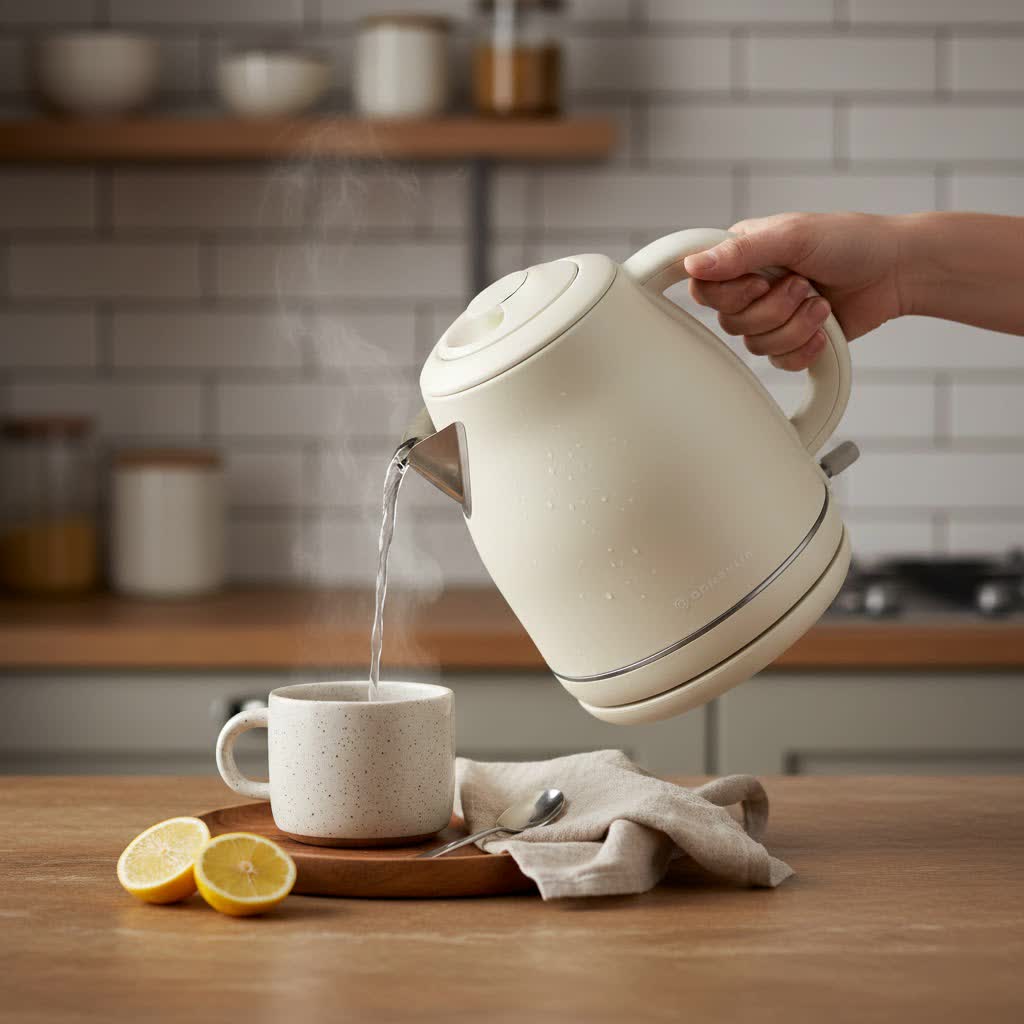
Electric Kettles: An Overview and Evolution
The journey of the electric kettle is a fascinating testament to innovation in the kitchen. From its humble beginnings, this appliance has evolved significantly, making hot water preparation quicker and safer than ever before. Understanding its history and the various types available helps contextualize the Proctor Silex offering.
The Journey of Electric Kettles: From Early Designs to Modern Conveniences
Table is empty.The first electric kettle emerged in 1891, developed by the Carpenter Electric Company. These early models, however, had a significant design flaw: their heating elements were placed in a separate compartment beneath the water, leading to slow boiling times. A major leap forward came in 1922 when the Swan Company introduced a design with an immersed heating element, drastically improving efficiency. The true game-changer arrived in 1956 with Russell Hobbs’ development of the first automatic electric kettle, which could switch itself off once the water boiled, adding a crucial layer of safety and convenience that defines modern kettles today.
Exploring Common Types of Electric Kettles
The market offers a variety of electric kettles, each designed to cater to different needs and preferences:
- Standard Rapid Boil Kettles: These are the most common, focusing purely on heating water to boiling point quickly, often featuring automatic shut-off and boil-dry protection.
- Temperature Control Kettles: Ideal for tea enthusiasts or coffee connoisseurs, these models allow users to select specific temperatures, ensuring optimal brewing conditions for various beverages.
- Glass Electric Kettles: Valued for their aesthetic appeal and the visual experience of watching water boil, glass kettles are also considered by many to be a pure material choice, free from potential leaching.
- Travel Kettles: Compact and lightweight, these small-capacity kettles are designed for portability, often featuring dual voltage for international use.
Deep Dive: Reviewing the Proctor Silex Durable Electric Kettle
Proctor Silex has carved a niche in the appliance market by offering straightforward, functional, and budget-friendly products. Their electric kettles generally embody this philosophy, providing essential features without unnecessary frills.
Key Features and Specifications
Proctor Silex offers various models, typically found in 1-liter (e.g., Model K2070Y) and 1.7-liter (e.g., Model 41002/41003, Electric Dome Kettle) capacities, catering to both individual and family needs.
- Capacities: Whether you need a single cup for your morning routine or enough for a family gathering, Proctor Silex has options. The 1-liter models are perfect for personal use, dorm rooms, or offices, while the 1.7-liter versions suit larger households or entertaining.
- Materials: Most Proctor Silex durable electric kettles feature plastic construction, often BPA-free for health safety, sometimes with stainless steel accents on the base. Some models, like the Electric Dome Kettle, are entirely stainless steel, offering a different aesthetic and feel.
- Power: Wattage typically ranges from 1000W to 1500W. Higher wattage, like the 1500W in some 1.7L models, ensures quicker boiling times, a significant advantage for those in a hurry.
- Safety Features: A cornerstone of modern electric kettles, Proctor Silex models universally include automatic shut-off when water reaches a boil and boil-dry protection, which turns off the kettle if it’s accidentally switched on with no water inside. These features are crucial for peace of mind.
- Convenience Features:
- Dual Water Windows: Found on many models, these transparent windows make it easy to see the water level, aiding in accurate filling and preventing over or under-filling.
- Cordless Design: Many Proctor Silex kettles lift off their bases, allowing for convenient cord-free serving at the table or wherever needed.
- Detachable Cord: For some 1L models, the cord is detachable from the kettle, which can be useful for travel or compact storage.
- Lighted On/Off Switch: A simple indicator light confirms when the kettle is actively heating.
Performance Analysis: Speed, Efficiency, and User Experience
The performance of the Proctor Silex Durable Electric Kettle is generally lauded for its primary function: boiling water quickly.
- Boiling Speed: Users frequently praise the rapid boiling capabilities, often noting it’s faster than using a microwave or stovetop kettle. A 1000-watt model can boil water in just a few minutes, while a 1500-watt unit will be even quicker.
- Ease of Use: Simplicity is a hallmark of Proctor Silex. With intuitive on/off switches, clear water windows, and cordless pouring, these kettles are designed for straightforward operation, making them accessible even for first-time electric kettle users.
- Noise Levels: While efficient, some users do report that Proctor Silex kettles can produce a noticeable amount of noise during the boiling process. This is generally not considered disruptive but is a factor to be aware of, especially in quiet environments like an office.
Durability and Build Quality: A Closer Look
Despite their affordable price point, many customers attest to the durability of Proctor Silex electric kettles, with some models reportedly lasting for many years with consistent use. The plastic construction, while not as premium-feeling as stainless steel or glass, is generally robust enough for daily use. The emphasis is on functionality and longevity through reliable heating elements and safety mechanisms rather than high-end aesthetics or advanced features.
Value for Money: Is Proctor Silex the Right Choice for Your Budget?
Proctor Silex kettles are consistently positioned as excellent value-for-money appliances. They offer essential functionality, reliable performance, and crucial safety features at a price point that is significantly lower than many competitors. For students, small households, offices, or anyone prioritizing basic, dependable hot water without a hefty investment, a Proctor Silex Durable Electric Kettle presents a compelling choice. While they may lack advanced features like variable temperature control, their core offering is strong and reliable.
How to Choose the Perfect Electric Kettle for Your Needs
Selecting an electric kettle involves more than just picking the first one you see. Consider these factors to ensure your choice perfectly aligns with your requirements.
Capacity: Matching Your Lifestyle
Think about how much hot water you typically need. For individuals, a 0.5 to 1-liter kettle is usually sufficient. Families, or those who frequently entertain, might prefer a larger 1.5 to 2-liter capacity. Choosing the right size can save energy by only heating the amount of water you require.
Material Matters: Stainless Steel, Glass, or Plastic?
Each material offers distinct advantages and disadvantages:
- Stainless Steel: Known for its durability, resistance to corrosion, and sleek appearance, stainless steel kettles are a popular and long-lasting choice. They tend to retain heat well.
- Glass: Offers a visually appealing experience as you watch the water boil. Borosilicate or tempered glass is heat-resistant and non-leaching, ensuring pure water. However, glass is more fragile and generally heavier than plastic.
- Plastic (BPA-free): Often the most affordable and lightweight option. Modern plastic kettles are typically BPA-free to address health concerns. They also tend to have a cool-touch exterior, making them safer to handle.
Power and Speed: What to Look For
The wattage of an electric kettle directly impacts how quickly it boils water. Kettles with higher wattages (e.g., 1500W) will heat water faster than those with lower wattages (e.g., 1000W). If speed is a top priority for your busy mornings, opt for a higher-powered model.
Essential Features to Consider
Beyond basic boiling, various features can enhance your electric kettle experience:
- Automatic Shut-off and Boil-Dry Protection: These are non-negotiable safety features found in almost all modern electric kettles, preventing overheating and potential hazards.
- Temperature Control and Keep Warm Functions: For specialty teas or coffee, precise temperature control is invaluable. A “keep warm” function maintains the water at a desired temperature for an extended period.
- Water Level Indicators and Filters: Clear water windows make filling easy, while removable anti-limescale filters can improve the taste and quality of your water, especially in hard water areas.
Brand Reputation and Pricing
While Proctor Silex offers reliable budget-friendly options, other brands might specialize in different features or materials. Researching user reviews and comparing prices across various models will help you find a kettle that fits both your expectations and budget.
Maintaining Your Electric Kettle for Longevity
Proper care and maintenance are essential for extending the lifespan of your electric kettle and ensuring it continues to perform optimally.
Proper Cleaning Techniques
Regular cleaning prevents mineral buildup and keeps your kettle hygienic. After each use, empty any remaining water. For external cleaning, wipe the kettle with a damp cloth. Avoid abrasive cleaners or scouring pads that could scratch the surface.
Descaling for Optimal Performance
Limescale buildup, particularly in hard water areas, can reduce heating efficiency and affect water taste. Descale your kettle every 1-3 months, depending on usage and water hardness. A simple method involves filling the kettle with a 1:1 mixture of water and white vinegar (or a commercial descaling solution), boiling it, letting it sit for 20-30 minutes, then rinsing thoroughly. Repeat if necessary until all scale is gone.
Storage and General Care Tips
Always store your kettle in a dry place. Ensure the lid is properly closed during operation for the auto-shutoff feature to function correctly. Avoid pulling the power cord abruptly from the wall or the kettle base, as this can damage connections.
Troubleshooting Common Electric Kettle Problems
Even the most durable appliances can encounter issues. Here’s how to address some common electric kettle problems:
When Your Kettle Won’t Turn On
First, check if the kettle is properly plugged into a working outlet. Test the outlet with another appliance. Inspect the power cord and plug for any visible damage. Ensure the on/off switch is not stuck or faulty. If these checks don’t resolve the issue, there might be an internal wiring problem or a malfunctioning heating element, which typically requires professional repair or replacement.
Slow Boiling or Inconsistent Heating
The most common culprit for slow boiling is limescale buildup on the heating element. Descale your kettle regularly as described above. Also, ensure you’re not overfilling or underfilling the kettle beyond its recommended water levels, as both can affect heating efficiency. A loose lid can also cause heat to escape, slowing the boiling process.
Leaks and Odors
Water leaks can occur from cracks in the kettle body or a damaged seal under the heating element. If the body is cracked, the kettle generally needs to be replaced. A strange or burnt smell can indicate accumulation of dirt or scale on the heating element, or possibly an internal electrical short circuit, which should be addressed by discontinuing use and seeking professional advice.
Auto-Shutoff Malfunctions
If your kettle doesn’t turn off automatically when boiling, the steam sensor or thermostat might be malfunctioning. Ensure the lid is closed tightly, as steam needs to reach the sensor. If the problem persists after ensuring proper lid closure and descaling, the internal components may be faulty.
Where to Purchase Your Proctor Silex Electric Kettle
Proctor Silex electric kettles are widely available, making them easy to find. You can typically purchase them at:
- Major Retailers: Large department stores and electronics retailers often carry a selection of Proctor Silex appliances.
- Online Marketplaces: Websites like Amazon, Walmart, and the official Proctor Silex website are convenient options, often providing a broader range of models and customer reviews.
When buying online, always read product descriptions carefully and compare specifications to ensure you’re getting the model that best suits your needs. Check for warranty information and return policies before finalizing your purchase.
Proctor Silex Durable Electric Kettle Review: Your Essential Guide
Choosing an electric kettle often comes down to balancing essential features with an accessible price point, and the Proctor Silex Durable Electric Kettle consistently delivers on this front. With its rapid boiling, crucial safety features like automatic shut-off and boil-dry protection, and user-friendly design, it stands out as a reliable workhorse for everyday hot water needs. While it might not boast the advanced temperature controls or premium materials of higher-end models, its unwavering performance and exceptional value make it a smart investment for anyone seeking efficiency and durability without overspending. For those who simply need hot water, fast and safely, the Proctor Silex kettle proves that dependable quality doesn’t have to come with a hefty price tag.
“A well-chosen electric kettle is more than just an appliance; it’s a daily ritual enabler, providing comfort and convenience with every perfectly boiled cup.” – [Your Name/Role], Expert Technician at reviewdha.com
Have you considered how much faster an electric kettle could make your daily routine?
Frequently Asked Questions
Is a Proctor Silex electric kettle safe to use?
Yes, Proctor Silex electric kettles are designed with safety in mind, incorporating standard features such as automatic shut-off when water boils and boil-dry protection, which turns the kettle off if it’s empty or runs out of water. Many models also use BPA-free plastic for health safety.
How often should I descale my electric kettle?
The frequency of descaling depends on your water hardness and usage. In areas with hard water or with daily use, descaling every 1-3 months is recommended to prevent mineral buildup, maintain efficiency, and ensure optimal taste.
Can I boil milk in an electric kettle?
It is generally not recommended to boil milk in an electric kettle. Milk can burn and stick to the heating element, making it difficult to clean and potentially damaging the kettle. Electric kettles are primarily designed for boiling water.
What is the average lifespan of an electric kettle?
The average lifespan of an Electric Kettle can vary widely depending on brand, material, usage, and maintenance, typically ranging from 2 to 5 years. However, with proper care and regular descaling, many durable models, including some Proctor Silex kettles, can last much longer.