The journey to a perfect cup of tea often begins long before the first sip, precisely at the moment water meets leaf. For tea enthusiasts, mastering the art of brewing involves understanding a critical element: water temperature. While it might seem like a minor detail, the temperature at which you steep your tea dramatically influences its flavor, aroma, and even its beneficial compounds. Particularly with delicate green teas and robust black teas, the difference between an exquisite cup and a disappointing one can hinge entirely on a few degrees. This comprehensive guide will delve into the precise temperature requirements for green and black teas, highlighting how modern electric kettles with temperature control have revolutionized this ancient ritual, empowering you to unlock the full potential of every brew.
The Evolution of Tea Brewing and Temperature Control
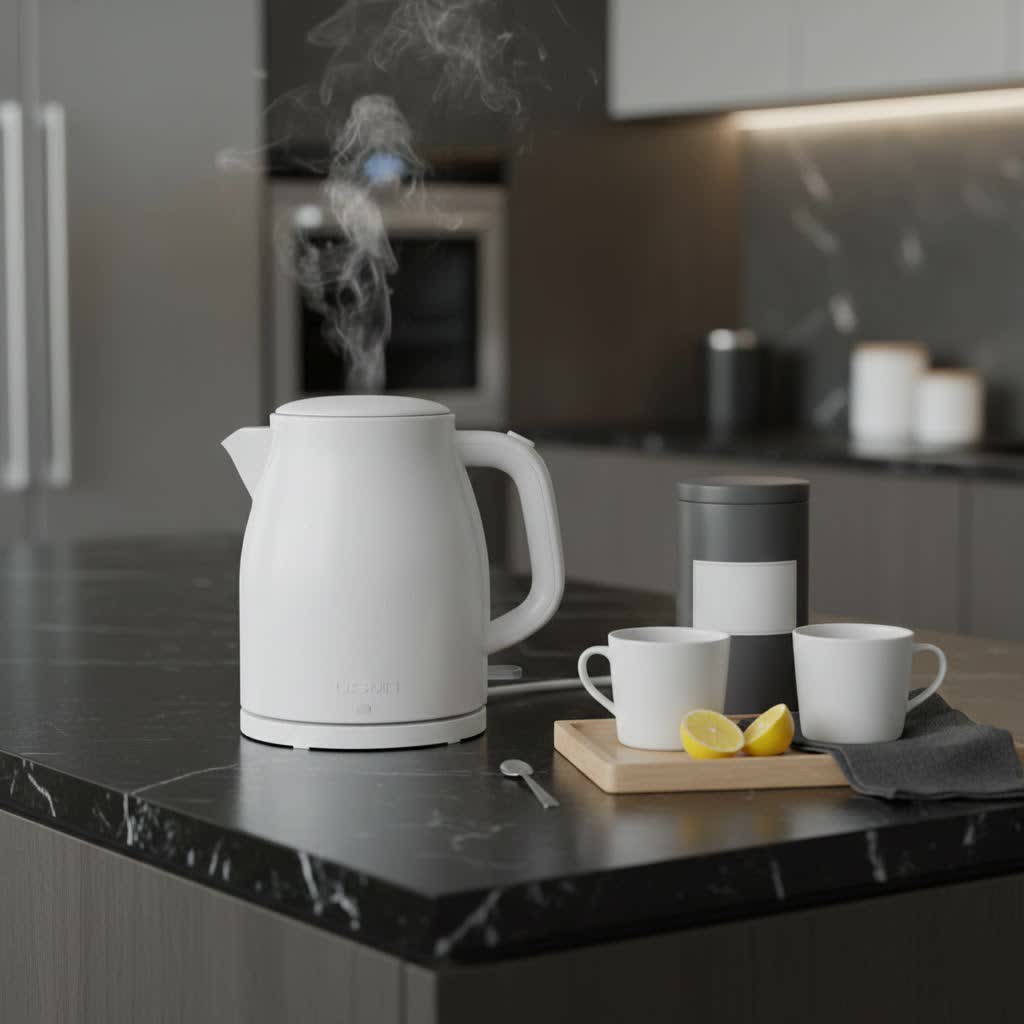
For centuries, tea brewing relied on intuition and observation. Traditionally, judging water temperature involved visual cues – from “fish eyes” (small bubbles at the bottom) to a “rolling boil” (large, rapidly bursting bubbles). While charming, these methods lacked the precision necessary for truly optimal brewing, especially as a wider variety of teas with distinct characteristics became globally accessible. The realization that different tea types react uniquely to heat led to a greater appreciation for exact temperature control.
The advent of the electric kettle marked a significant milestone, offering convenience and speed. However, early models primarily focused on boiling water. It was the introduction of variable temperature electric kettles that truly transformed the tea-making experience. These innovative appliances allowed tea lovers to select specific temperatures, moving beyond guesswork and enabling a scientific approach to brewing. This technological leap perfectly aligns with the nuanced requirements of teas like green and black, ensuring their unique profiles are preserved and enhanced. From basic on/off models to sophisticated smart kettles, this evolution has democratized precise brewing, making it accessible to everyone.
Types of Electric Kettles and Their Temperature Capabilities
Choosing the right electric kettle is paramount for any tea connoisseur, especially when seeking to perfect green and black tea brewing. While all electric kettles heat water, their features vary widely, directly impacting your ability to achieve precise temperatures.
- Standard Electric Kettles: These typically boil water to 212°F (100°C) and then automatically shut off. They are suitable for black teas and herbal infusions but lack the finesse required for more delicate teas like green tea, which would become bitter if exposed to such high heat.
- Variable Temperature Electric Kettles: These are the true game-changers for tea lovers. They come equipped with multiple preset temperature options or a digital control that allows you to select the exact desired temperature, often ranging from 140°F (60°C) to 212°F (100°C). This feature is essential for brewing different tea types accurately. Some models even include a “keep warm” function, maintaining your chosen temperature for an extended period.
- Glass Electric Kettles: Offering a visually appealing experience, glass kettles allow you to watch the water heat up. Many glass models also incorporate variable temperature controls, combining aesthetics with functionality. They are particularly favored for brewing green teas, as the visual clarity adds to the sensory experience.
- Travel Electric Kettles: Compact and portable, travel kettles are designed for convenience on the go. While some basic models only boil, an increasing number now offer dual voltage and a few preset temperature options, making them suitable for travel without compromising your tea ritual.
For those serious about their tea, a variable temperature electric kettle is an indispensable tool, providing the precision needed to master the nuanced world of green and black tea brewing.
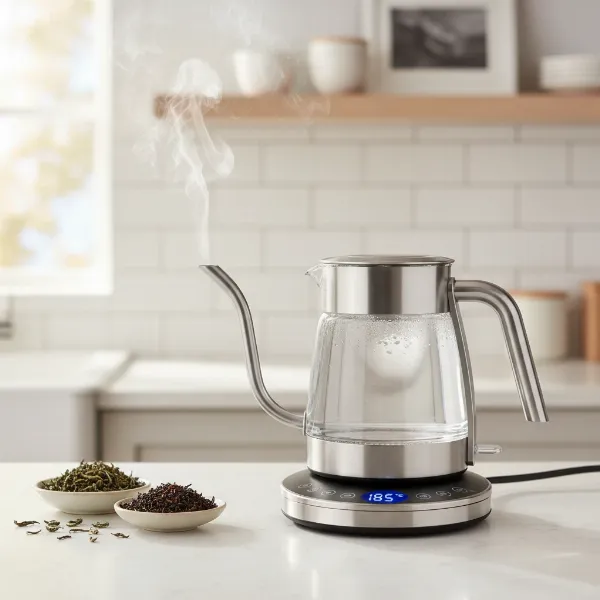 A modern variable temperature electric kettle with multiple heat settings visible, perfect for brewing different types of tea like green and black tea, against a clean kitchen background
Choosing the Right Electric Kettle for Optimal Tea Brewing
Selecting an electric kettle isn’t just about boiling water; it’s about investing in a tool that elevates your daily tea ritual. For enthusiasts focusing on precise brewing for green and black teas, several factors come into play.
- Capacity: Consider your usage. A 1-liter kettle is often ideal for individuals or couples, while larger families or frequent entertainers might prefer a 1.7 to 2-liter model. Match the capacity to your brewing habits to avoid wasting water or constantly refilling.
- Material:
- Stainless Steel: Durable, easy to clean, and generally retains heat well. A common choice for longevity and a sleek appearance.
- Glass: Offers a beautiful visual experience, allowing you to watch the water heat. Ensures no metallic taste, but can be more fragile.
- Plastic: Often more affordable, but ensure it’s BPA-free to prevent chemical leaching that could affect water purity and tea taste.
- Wattage: Higher wattage (typically 1500W and above) means faster boiling times. This is especially convenient when you need hot water quickly, ensuring your black tea is ready without a long wait.
- Key Features for Tea Brewing:
- Temperature Control: This is the most crucial feature. Look for kettles with specific preset temperatures (e.g., 175°F for green tea, 212°F for black tea) or precise digital temperature adjustment. This allows you to perfectly match the water temperature to your chosen tea type.
- Automatic Shut-Off: A safety feature that turns the kettle off once water reaches the set temperature or boils, preventing dry boiling.
- Keep Warm Function: Ideal for those who enjoy multiple cups or want to maintain water at a specific temperature for successive brews without reheating.
- Anti-Calc Filter: Helps to filter out limescale deposits, which can affect the taste of your tea and the longevity of your kettle.
- Brand Reputation: Established brands often offer better reliability, customer support, and warranty. Research user reviews for consistency in temperature accuracy and durability.
- Price: Electric kettles span a wide price range. While basic models are inexpensive, kettles with advanced temperature control, premium materials, and smart features will naturally cost more. Determine your budget but consider the long-term benefits of a quality kettle that consistently delivers perfect tea.
Investing in a kettle with these features transforms your tea brewing into a precise and enjoyable experience, ensuring you get the most out of every green and black tea leaf.
Temperature Guide: Green Tea vs. Black Tea Settings
Understanding the ideal brewing temperature for your tea is not just a preference; it’s a science. The temperature of the water dictates how different compounds within the tea leaves are extracted, directly influencing the flavor, aroma, and even the health benefits of your brew.
Green Tea: The Art of Delicacy
Table is empty.Green tea, minimally oxidized, is prized for its fresh, grassy, often sweet or nutty notes. Its delicate leaves contain sensitive compounds like catechins, which are potent antioxidants. However, exposing green tea to water that is too hot will quickly extract these catechins along with tannins, leading to an overwhelmingly bitter, astringent, and often “burnt” taste. The optimal temperature range for green tea is typically between 140-185°F (60-85°C). Some specialty green teas, like Japanese Gyokuro, require even cooler water, around 140°F (60°C), to emphasize their umami richness and avoid bitterness.
Brewing green tea at the correct lower temperature allows for a slow, gentle extraction, preserving its subtle aromas and sweet undertones while preventing the release of excessive bitterness. This careful approach ensures a smooth, mellow, and refreshing cup that highlights the tea’s natural complexities.
Black Tea: The Power of Robustness
In stark contrast, black tea undergoes full oxidation, a process that develops its characteristic dark color, bold flavor, and robust body. The compounds responsible for black tea’s strong taste, such as theaflavins and thearubigins, require higher temperatures for optimal extraction. Brewing black tea with water that isn’t hot enough will result in a weak, dull, and underdeveloped flavor, lacking its characteristic depth and richness.
The recommended temperature for brewing most black teas is near boiling, typically between 200-212°F (93-100°C). This high heat efficiently draws out the tea’s full spectrum of flavors, creating a rich, satisfying, and often malty or fruity brew. Unlike green tea, black tea’s chemical composition is more stable at these higher temperatures, allowing it to withstand a vigorous steep without turning bitter.
Expert Insight:
“The temperature of the water acts as a catalyst in tea brewing. Too hot, and delicate green teas release bitter tannins and catechins too quickly. Too cool for black teas, and you simply won’t unlock their full, robust flavor profile. Precision isn’t just a nicety; it’s fundamental to the chemical dance within your teacup.” – Dr. Eleanor Vance, Food Scientist & Tea Sommelier
The Impact of Temperature on Flavor and Health Benefits
| Tea Type | Optimal Temperature Range (°F/°C) | Flavor Profile Impact (Too Hot) | Flavor Profile Impact (Too Cool) | Health Benefit Impact (Too Hot) |
|---|---|---|---|---|
| Green | 140-185°F (60-85°C) | Bitter, astringent, “burnt” | Weak, watery, underdeveloped | Degrades delicate antioxidants (catechins) |
| Black | 200-212°F (93-100°C) | Minimal negative impact; can intensify boldness | Weak, hollow, lacks depth, poor color | Generally stable; optimal for caffeine/theanine extraction |
Understanding and applying these temperature guidelines, ideally with the aid of a variable temperature electric kettle, empowers you to consistently brew exceptional tea, respecting the unique characteristics of each type.
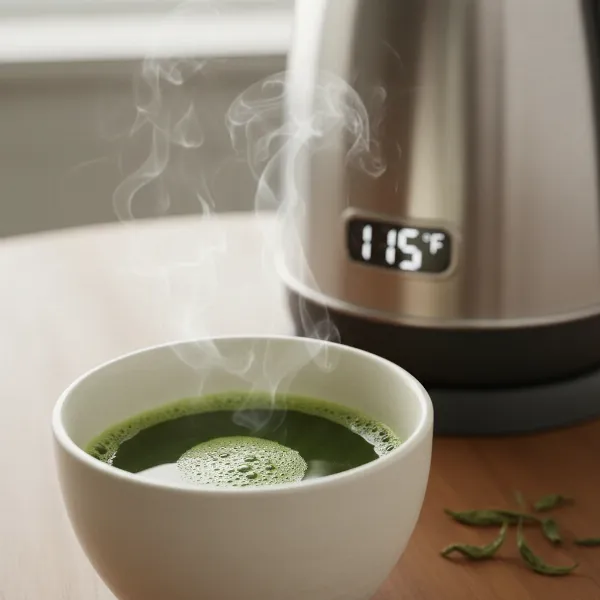 A steaming cup of perfectly brewed green tea with a variable temperature electric kettle in the background, set to the ideal green tea temperature
Comparing Electric Kettles for Precise Tea Temperature Settings
Choosing the right electric kettle for your tea brewing needs, especially for green and black teas, means focusing on specific features that offer precise temperature control. Here’s a comparison highlighting key aspects of kettles designed for tea connoisseurs.
| Feature / Model | Entry-Level Basic Kettle | Mid-Range Variable Temp Kettle | Premium Smart Variable Temp Kettle |
|---|---|---|---|
| Temperature Control | Boil-only (212°F/100°C) | 4-6 preset temps (e.g., 175, 195, 205, 212°F) | Custom digital temp settings (1°F increments), app control |
| Precision for Green Tea | Not suitable (too hot) | Good (175-185°F presets) | Excellent (exact temp matching) |
| Precision for Black Tea | Perfect (boiling point) | Excellent (205-212°F presets) | Excellent (exact temp matching) |
| Material Options | Plastic, basic stainless steel | Stainless steel, glass | Stainless steel, glass, premium finishes |
| Keep Warm Function | No | Yes (30-60 min) | Yes (up to 2 hours), customizable |
| User Interface | Simple switch | Buttons with indicator lights | Digital display, touchscreen, app |
| Smart Features | None | Limited | Bluetooth/Wi-Fi, scheduled brews, recipe presets |
| Price Range | $20 – $40 | $50 – $100 | $120 – $250+ |
| Ideal User | Black tea drinker on a budget | General tea enthusiast | Serious tea connoisseur, tech-savvy user |
While a basic kettle suffices for black tea, green tea enthusiasts benefit immensely from variable temperature models. Mid-range options offer a balance of functionality and affordability, providing common presets that cover most tea types. For ultimate control and convenience, premium smart kettles allow for granular temperature adjustments and integrate with smart home systems, making them a worthwhile investment for the dedicated tea lover.
Maximizing Your Electric Kettle for Perfect Tea & Maintenance
An electric kettle with temperature control is a powerful tool for tea brewing, but knowing how to use it effectively and maintain it properly can further enhance your tea experience and prolong its lifespan.
Using Your Kettle for Optimal Tea Brewing
- Select the Right Temperature: Always refer to the specific brewing guide for your tea. For green tea, aim for 140-185°F (60-85°C); for black tea, target 200-212°F (93-100°C).
- Preheat Your Teaware: Pour a small amount of hot water from your kettle into your teapot or cup, swirl, and discard. This warms the vessel, preventing a rapid temperature drop when you add the brewing water, which can affect extraction.
- Mind the Temperature Loss: Be aware that water temperature can drop by 10-15°F when transferring from the kettle to the brewing vessel, especially if it’s not preheated. For precise brewing, you might slightly increase the kettle’s target temperature to compensate for this initial heat loss.
- Use Fresh, Filtered Water: The quality of your water significantly impacts tea taste. Filtered water free from impurities is always recommended for a cleaner, purer brew.
- Don’t Overfill: Fill the kettle only to the required level. Overfilling wastes energy and takes longer to heat.
- Utilize “Keep Warm”: If your kettle has this feature, use it to maintain the optimal brewing temperature for multiple servings or subsequent steeps of the same tea leaves.
Maintaining Your Electric Kettle
Regular maintenance is key to ensuring your kettle performs efficiently and keeps your water pure for the best-tasting tea.
- Regular Cleaning: Wipe the exterior with a damp cloth to keep it clean.
- Descale Frequently: Limescale (calcium carbonate deposits) can build up inside the kettle, especially in hard water areas. This can affect heating efficiency and even impart a chalky taste to your water.
- Method 1 (Vinegar): Fill the kettle with equal parts white vinegar and water. Bring to a boil, then let it sit for 30 minutes to an hour. Pour out the mixture, rinse thoroughly multiple times, and boil fresh water once or twice to eliminate any residual vinegar smell.
- Method 2 (Citric Acid): Dissolve 1-2 tablespoons of citric acid powder in water, fill the kettle, bring to a boil, and let it sit for 15-30 minutes before rinsing.
- Clean Filters: If your kettle has a removable anti-calc filter, clean it regularly to prevent blockages and maintain water purity.
- Store Properly: When not in use, ensure the kettle is dry to prevent mold or odors, and store it in a cool, dry place.
By following these usage tips and maintenance routines, your electric kettle will remain a reliable partner in crafting the perfect cup of green or black tea for years to come.
Common Electric Kettle Issues Affecting Tea Brewing & Solutions
Even the most reliable electric kettles can encounter issues that impact their performance and, consequently, your tea brewing experience. Knowing how to troubleshoot these common problems can save you frustration and ensure your green and black teas are always perfectly brewed.
- Kettle Not Heating / Not Turning On:
- Issue: The kettle doesn’t power on or heat water.
- Solution: Check if the kettle is properly plugged into a functional outlet. Ensure it’s correctly seated on its base. Sometimes, the thermal cut-out safety feature might have been triggered if the kettle boiled dry; allow it to cool down before trying again. If issues persist, there might be an internal electrical fault, requiring professional repair or replacement.
- Kettle Heats Slowly / Not Reaching Desired Temperature:
- Issue: Water takes an unusually long time to heat, or fails to reach the set temperature for your tea.
- Solution: The most common culprit is limescale buildup. Descale your kettle using vinegar or citric acid as described in the maintenance section. Heavy limescale acts as an insulator, reducing heating efficiency. Also, ensure you’re not overfilling the kettle beyond its maximum capacity.
- Kettle Leaks Water:
- Issue: Water is leaking from the kettle body or base.
- Solution: Check for visible cracks or damage to the kettle body or lid seal. Ensure the lid is securely closed during heating. If the leak is from the base, it could indicate a damaged heating element or poor seal, which usually necessitates replacement for safety reasons.
- Kettle Has a Strange Odor or Taste:
- Issue: Your water, and consequently your tea, has an unpleasant plastic or metallic smell/taste.
- Solution: For new kettles, boil and discard several full kettles of water to remove manufacturing residues. If the kettle is older, thoroughly descale it. Ensure you’re using filtered water, as tap water impurities can sometimes cause odors. If it’s a plastic kettle, check if it’s BPA-free; non-BPA-free plastics can sometimes leach chemicals.
- Temperature Control Malfunction:
- Issue: Your variable temperature kettle is not heating to the selected temperature, or the display is inaccurate.
- Solution: First, try resetting the kettle by unplugging it for a few minutes. If it persists, it could be a sensor calibration issue or a fault in the electronic control board. For consistent brewing of delicate green teas or robust black teas, accurate temperature control is vital. If troubleshooting doesn’t fix it, contact the manufacturer or consider a replacement.
Regular inspection and timely resolution of these issues will ensure your electric kettle remains a reliable appliance for brewing your favorite green and black teas at their optimal temperatures.
Where to Purchase Electric Kettles for Your Tea Brewing Needs
Finding the perfect electric kettle, especially one with precise temperature control for your green and black teas, is easier than ever with numerous retail options.
- Major Appliance Stores: Retailers like Best Buy, Crate & Barrel, Williams Sonoma, and other local appliance or home goods stores typically carry a wide selection of electric kettles. Here, you can physically examine models, compare features, and often get advice from sales associates. This is a great option for high-end variable temperature kettles.
- Department Stores: Large department stores such as Macy’s, Kohl’s, or JCPenney often have kitchenware sections with various kettle brands and models, sometimes at competitive prices during sales events.
- Online Retailers: Websites like Amazon, Walmart, Target, and the official brand websites (e.g., Breville, Cuisinart, KitchenAid) offer the largest selection, competitive pricing, and the convenience of home delivery. Online platforms are excellent for comparing specifications and reading extensive user reviews.
- Specialty Tea Shops: Some high-end tea retailers, both brick-and-mortar and online, also stock electric kettles specifically curated for tea brewing, often featuring models with excellent temperature control designed for discerning tea drinkers.
Tips When Buying Online:
- Read Reviews: Pay close attention to reviews regarding temperature accuracy, durability, and customer service.
- Check Specifications: Verify wattage, capacity, material, and crucially, the range and precision of temperature settings.
- Warranty Information: Understand the warranty policy before purchasing.
- Return Policy: Familiarize yourself with the retailer’s return policy in case the kettle doesn’t meet your expectations.
By exploring these avenues, you’re sure to find an electric kettle that perfectly meets your needs, bringing precision and pleasure to every cup of green and black tea you brew.
Conclusion
The pursuit of the perfect cup of tea is an art refined by precision, and at its heart lies the mastery of brewing temperature. As we’ve explored, the distinct characteristics of green tea and black tea demand vastly different heat levels to unlock their true potential. Green tea, with its delicate nature, thrives at cooler temperatures to preserve its subtle flavors and beneficial compounds, while robust black tea requires near-boiling water to fully extract its rich, bold profile.
Modern electric kettles equipped with variable temperature control are indispensable tools in this journey, transforming guesswork into exactitude. They empower tea enthusiasts to effortlessly achieve the ideal settings, ensuring every infusion, whether a soothing green or an invigorating black, is a testament to perfect brewing. By understanding these temperature nuances and leveraging the capabilities of a high-quality electric kettle, you’re not just making tea; you’re crafting an experience. So, what temperature will you set for your next cup?
Frequently Asked Questions
What happens if I brew green tea with boiling water?
Brewing green tea with boiling water can lead to a bitter, astringent, and “burnt” taste. The high heat over-extracts bitter compounds like tannins and catechins too quickly, overwhelming the tea’s delicate, fresh flavors.
Can I use the same water temperature for all types of tea?
No, using the same water temperature for all tea types is not recommended. Different teas have unique chemical compositions and oxidation levels that require specific temperatures to extract their optimal flavor and aroma profiles. Using an Electric Kettle with temperature control allows you to tailor the heat to each tea, from delicate whites and greens to robust blacks and herbals.
How do I cool down boiling water for green tea if my kettle doesn’t have temperature control?
If your kettle only boils water, you can cool it down for green tea by pouring the boiling water into a separate empty mug or pitcher and letting it sit for a few minutes. Each transfer can drop the temperature by about 10-15°F (5-8°C). Alternatively, let the water sit in the kettle for 2-5 minutes after boiling, using a thermometer to check for the desired temperature (140-185°F or 60-85°C).
Does brewing temperature affect the caffeine content in tea?
Yes, brewing temperature can affect caffeine extraction. Higher water temperatures tend to extract more caffeine from tea leaves, resulting in a more stimulating cup. If you prefer a lower-caffeine brew, opting for a slightly lower temperature within the recommended range for your tea type can help, particularly with green teas.
How long should I steep green tea vs. black tea?
Steeping times also vary by tea type. Green tea typically requires shorter steeping times, often 1-3 minutes, due to its delicate nature. Black tea, being more robust, can withstand longer steeping times, usually 3-5 minutes, to fully develop its rich flavor without becoming overly strong or bitter. Always follow the specific instructions for your particular tea.