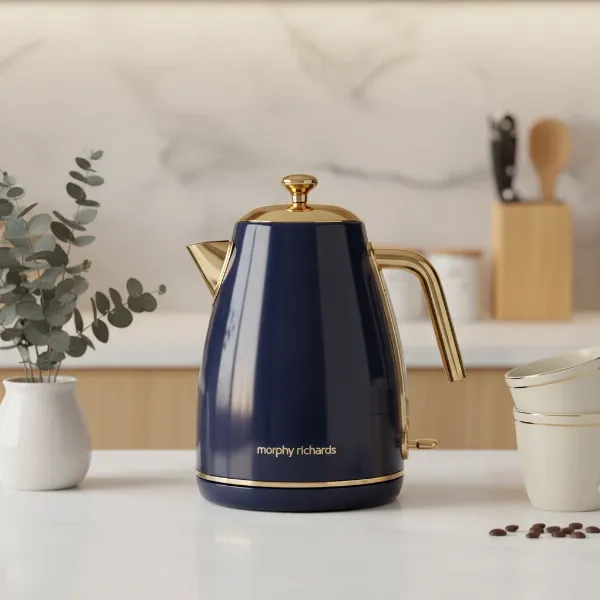
In a world increasingly driven by sleek, minimalist designs, the Smeg Retro Electric Kettle stands out with its undeniably charming 1950s aesthetic. This iconic appliance promises to infuse any kitchen with a dose of vintage flair, making a bold statement on your countertop. But beyond its captivating looks, does the Smeg kettle deliver on performance and durability? Are you investing in a reliable kitchen workhorse or simply a stylish centerpiece? This comprehensive review dives deep into the Smeg Retro Electric Kettle, examining its design, features, performance, and common issues to help you decide if its substance truly matches its undeniable style.
The Enduring Charm: History and Evolution of Electric Kettles
|
Our Picks for the Best Electric kettle in 2026
As an Amazon Associate I earn from qualifying purchases.
|
||
| Num | Product | Action |
|---|---|---|
| 1 | Mueller Rapid Boil Electric Tea Kettle 1.8L – Borosilicate Glass & Stainless Steel – BPA-Free Hot Water Boiler, LED Light, Auto Shut-Off, Boil Dry Protection Fast Water Heater – Kitchen Appliances |

|
| 2 | OVENTE Electric Kettle, 1.7L Fast Boiling Water Heater for Coffee or Tea, BPA Free with Water Level Gauge, Auto Shut-Off, Boil-Dry Protection, Indicator Light and Removable Filter, White KP72W |
|
| 3 | Chefman Electric Kettle with Temperature Control, 5 Presets LED Indicator Lights, Removable Tea Infuser, Glass Tea Kettle & Hot Water Boiler, 360° Swivel Base, BPA Free, Stainless Steel, 1.8 Liters |
|
| 4 | Chefman Electric Kettle with Tea Infuser, Compact 1L (4 Cups), 1500W, Removable Lid for Easy Cleaning, Boil-Dry Protection, Stainless Steel Filter, BPA Free, Auto Shut Off, Small Electric Tea Kettle |
|
| 5 | OVENTE Electric Kettle, 1.5L Borosilicate Glass Countertop Water Heater and Boiler for Coffee or Tea, BPA-Free, Auto Shut-Off, Boil-Dry Protection, Removable and Washable Spout Filter, Black KG83B |
|
| 6 | Amazon Basics Electric Kettle with Glass Carafe for Tea and Coffee, Fast Boiling, Auto Shut-Off, Boil-Dry Protection, Temperature Control, Removable Filter, 1 Liter, 1500W, BPA-Free |
|
| 7 | Cuisinart PerfecTemp 1.7-Liter Electric Kettle, Cordless Electric Tea Kettle, 1500W for Fast Heat-Up, 6 Preset Temperatures, 30-Minute Keep Warm, Stay Cool Nonslip Handle, CPK-17P1 |
|
| 8 | Chefman Electric Kettle, 1.8L 1500W, Hot Water Boiler, Removable Lid for Easy Cleaning, Auto Shut Off, Boil-Dry Protection, Stainless Steel Filter, BPA Free, Borosilicate Glass Electric Tea Kettle |
|
| 9 | Amazon Basics Electric Stainless Steel Kettle for Tea and Coffee, BPA-Free, Fast Boiling, Auto Shut-Off, 1 Liter, 1500W, Black and Silver |
|
| 10 | Cosori Electric Kettle, No Plastic Contact With Water, Wide Mouth For Easy Cleaning, Auto Shut Off, 1.7L Tea Kettle & Hot Water Boiler, Water Heater & Teapot, Borosilicate Glass, Black, 1500W |
|
From the humble stovetop pot to today’s intelligent electric models, the kettle has undergone a remarkable evolution. Early electric kettles offered simple boiling functionality, a significant convenience over fire-heated methods. Over decades, technological advancements brought features like automatic shut-off, rapid boil, and improved energy efficiency. Smeg, an Italian appliance manufacturer, carved a unique niche by blending these modern functionalities with a distinct 1950s retro aesthetic, transforming everyday appliances into pieces of art that evoke nostalgia and charm.
Decoding the Smeg Retro Electric Kettle Lineup
Smeg offers a few distinct models within its retro electric kettle range, primarily differing in capacity and advanced features while maintaining the signature aesthetic. The most common models include the KLF03, a standard electric kettle, and the KLF04, which boasts variable temperature control. For those with smaller needs, the KLF05 mini-kettle offers a compact design. All share the characteristic curved lines, polished chrome accents, and vibrant color palette that define Smeg’s 50s Style line, ensuring visual consistency across the range and with other Smeg appliances.
Beyond the Looks: Unpacking Smeg’s Design and Build Quality
The Smeg Retro Electric Kettle is, first and foremost, a triumph of design. Its glossy, powder-coated enamel finish comes in a spectrum of vibrant colors, from pastel pinks and blues to bold reds and blacks, all offset by gleaming chrome details. This commitment to a distinctive 50s aesthetic is a major draw, allowing the kettle to serve as a decorative element that enhances kitchen decor. The body is typically stainless steel, lending a sense of robust construction and weight.
However, the “style over substance” debate often arises when scrutinizing the build quality and user experience. While the stainless steel interior is practical, some models incorporate plastic components for the lid and handle, which can detract from the premium feel for certain users. More significantly, reports of paint chipping, bubbling, or fading have surfaced, raising concerns about the long-term aesthetic durability of the enamel finish. The lid mechanism has also been a point of contention, with some users experiencing stiffness, difficulty opening, or even breakage over time. Another common observation is the placement and visibility of the water level indicator, often described as challenging to read, particularly when the kettle is full or in certain lighting conditions. Its notable weight, while contributing to a sturdy feel, might also be a disadvantage for some users.
Performance: Does the Smeg Kettle Deliver?
When it comes to its primary function, the Smeg Retro Electric Kettle generally performs well. It is often praised for its relatively quiet operation compared to many other electric kettles on the market, making it less disruptive in open-plan living spaces. Boiling speed is typically efficient, though some reviewers note it can be slightly slower when boiling minimal amounts of water.
For models like the KLF04, the inclusion of variable temperature control is a significant feature, offering multiple preset temperatures ranging from 120°F to 212°F (50°C to 100°C). This precision is highly valued by tea connoisseurs and coffee enthusiasts who require specific water temperatures for optimal brewing. The LED display provides clear temperature indication, enhancing the user’s control. A “keep warm” function is also available on certain models, though it is often limited to a duration of around 20 minutes, which some users find too short for their needs.
Safety and convenience features are well-integrated across the range. The kettle features automatic shut-off once water reaches boiling point, when there is insufficient water (boil-dry protection), or when the body is lifted from its 360° swivel base. The soft-opening lid is designed to prevent sudden steam release, and an anti-slip base ensures stability on countertops. A removable, washable stainless steel limescale filter is another practical addition, aiding in maintenance and ensuring cleaner water.
Common Issues and How to Address Them
Despite its aesthetic appeal and functional features, the Smeg Retro Electric Kettle is not without its reported flaws. Understanding these common issues can help prospective buyers set realistic expectations and existing owners troubleshoot effectively.
One of the most frequently cited problems relates to the exterior finish. Users have reported instances of paint chipping, bubbling, or fading over time, particularly around the rim or spout. This directly impacts the kettle’s premium retro aesthetic. While not affecting functionality, it can be disappointing for such a high-priced item.
The lid mechanism is another recurring complaint. Issues include the lid being stiff and difficult to open, requiring multiple presses, or not opening at all immediately after boiling. Some users have also noted that the lid’s seal can have small gaps, potentially allowing steam to escape and creating a burn risk. In more severe cases, the lid mechanism has been reported to break entirely.
Leaking can also occur. While sometimes mistaken for condensation (which can build up around the lid and switch when filled to maximum capacity), genuine leaks may stem from a faulty gasket or seal, or a loose water filter spout. Regularly checking these components for wear and ensuring they are securely fitted is advisable.
Other functional issues include the kettle not turning on or off automatically as it should. This could be due to a faulty power outlet, a malfunctioning switch or thermostat, or a tripped circuit breaker. For such internal component issues, professional assistance is usually recommended. Rusting on the inside has also been reported by a small number of users, which is a significant quality concern given the stainless steel construction.
Finally, like all kettles, Smeg models are susceptible to limescale buildup, especially in hard water areas. Excessive limescale can lead to longer boiling times, reduced efficiency, strange noises, and even impact the kettle’s longevity. Regular descaling is crucial for maintaining optimal performance.
Smeg vs. The Competition: Is the Price Justified?
The Smeg Retro Electric Kettle occupies a premium position in the market, often costing significantly more than many other electric kettles. This price difference frequently leads buyers to question if the investment is truly justified.
When comparing Smeg to “no-frills” kettles, the disparity in price is largely attributed to Smeg’s emphasis on iconic design, brand prestige, and the incorporation of features like variable temperature control. While many cheaper kettles efficiently boil water, they typically lack the distinctive aesthetic, durable material finishes (though sometimes with their own flaws), and advanced temperature settings found in the Smeg.
However, when comparing Smeg to other high-end or design-focused brands, the value proposition becomes more nuanced. Some competitors offer similar functionality and aesthetics at varying price points, sometimes with more robust build quality or different material choices. Buyers of the Smeg kettle are not just purchasing a functional appliance; they are investing in a statement piece that complements their kitchen decor and reflects a specific retro sensibility. The variable temperature settings and quiet operation are indeed valuable features that enhance the user experience, but the persistent concerns regarding paint durability, lid functionality, and internal rusting do make the “style over substance” question highly relevant. Ultimately, the justification of the price often comes down to an individual’s priority: how much value do you place on unique design and brand identity versus flawless long-term functionality and durability?
Tips for Using and Maintaining Your Smeg Electric Kettle
To maximize the lifespan and performance of your Smeg Retro Electric Kettle, proper usage and diligent maintenance are key.
- Correct Filling: Always fill the kettle between the minimum and maximum fill lines. Overfilling can lead to boiling water spilling out, while underfilling can trigger the boil-dry safety feature prematurely.
- Regular Descaling: This is perhaps the most important maintenance task, especially in hard water areas. Limescale can reduce heating efficiency, increase boiling time, and contribute to unusual noises. You can descale your kettle using a solution of equal parts white vinegar and water, or a specialized descaling product. Boil the solution, let it sit for 30 minutes to an hour, then rinse thoroughly. Repeat if necessary.
- Exterior Cleaning: To preserve the kettle’s glossy enamel finish, wipe the exterior regularly with a soft, damp cloth. Avoid abrasive cleaners or harsh chemicals, which can damage the paintwork. For stubborn stains, use a mild soap solution.
- Lid Care: Be gentle when opening and closing the lid. If it becomes stiff, ensure no residue is blocking the mechanism. If it consistently fails to open or seal properly, contact customer support.
- Water Filter: Periodically remove and rinse the stainless steel limescale filter to ensure proper water flow and prevent mineral buildup.
Conclusion: The Verdict on Style and Substance
The Smeg Retro Electric Kettle is undoubtedly a design icon, celebrated for its exquisite 1950s aesthetic that elevates any kitchen space. Its vibrant colors, polished chrome details, and nostalgic silhouette make it a conversation starter and a visual delight. On the “substance” front, it delivers commendable performance with fast boiling, quiet operation, and, in its more advanced models, precise variable temperature control and robust safety features.
However, the journey with a Smeg kettle isn’t always perfectly smooth. Concerns around the long-term durability of its enamel finish, occasional lid malfunctions, and some reports of internal rusting or leaking temper its otherwise glowing reputation. The premium price tag means that buyers are not only paying for a well-functioning appliance but also for a significant piece of design.
So, is it style over substance? Not entirely. The Smeg Retro Electric Kettle offers a blend of both, but with a clear lean towards style. It’s an ideal choice for design-conscious individuals who prioritize aesthetics and are willing to invest in a statement piece, perhaps overlooking minor imperfections for its undeniable charm. If your primary concern is an infallible, highly durable workhorse where aesthetics are secondary, then more budget-friendly or purely performance-driven options might be a better fit. But for those who cherish design and appreciate an appliance that brings joy simply by existing on their countertop, the Smeg Retro Electric Kettle remains a compelling, albeit imperfect, choice.
What truly matters to you in an electric kettle – breathtaking design or unyielding practicality?