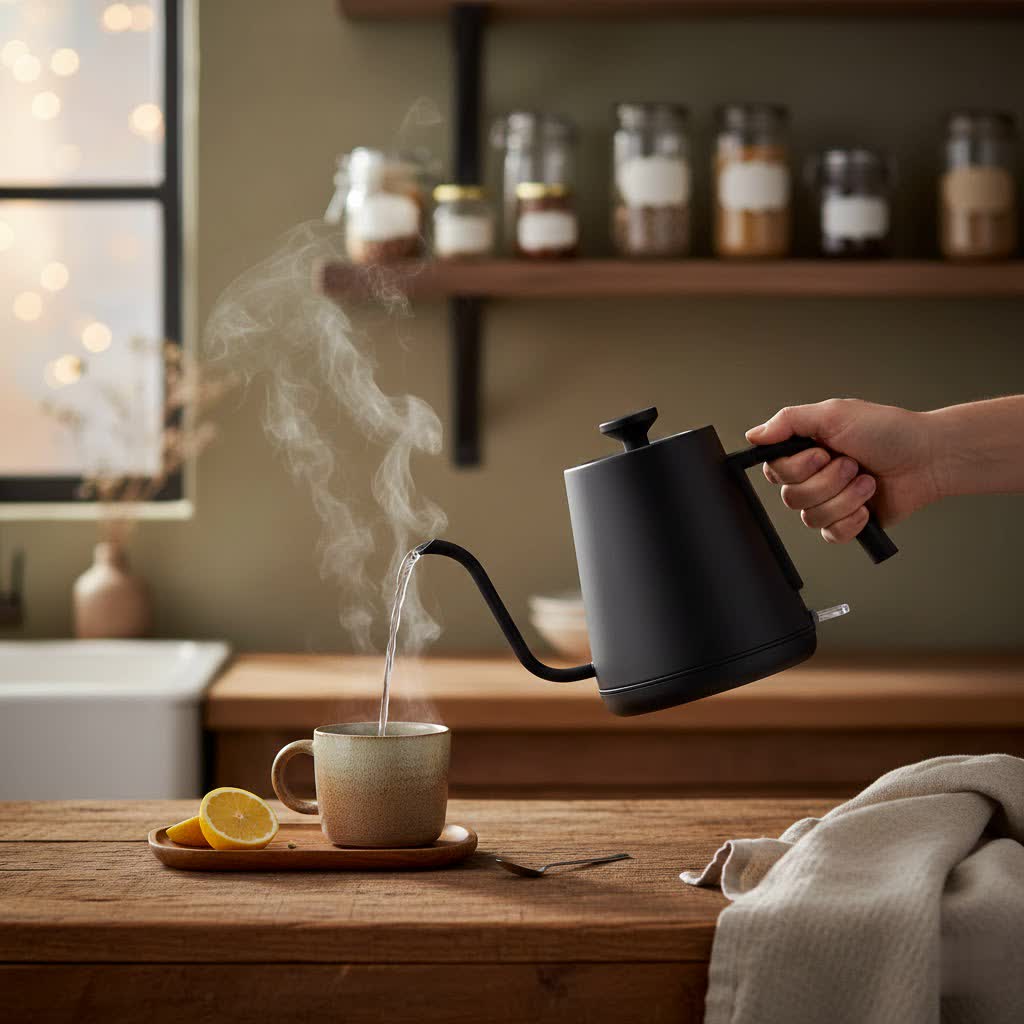
You love your electric kettle. It delivers that instant hot water for your morning tea, coffee, or a quick noodle fix, making kitchen life undeniably convenient. Yet, for all its utility, the one persistent frustration many face is the unruly power cord. Draped across your pristine countertops, tangled with other appliance cables, or simply dangling in an unsightly mess, a rogue kettle cord can quickly transform a sleek kitchen into a cluttered space. But what if you could have the best of both worlds – the speed and efficiency of your electric kettle without the visual chaos?
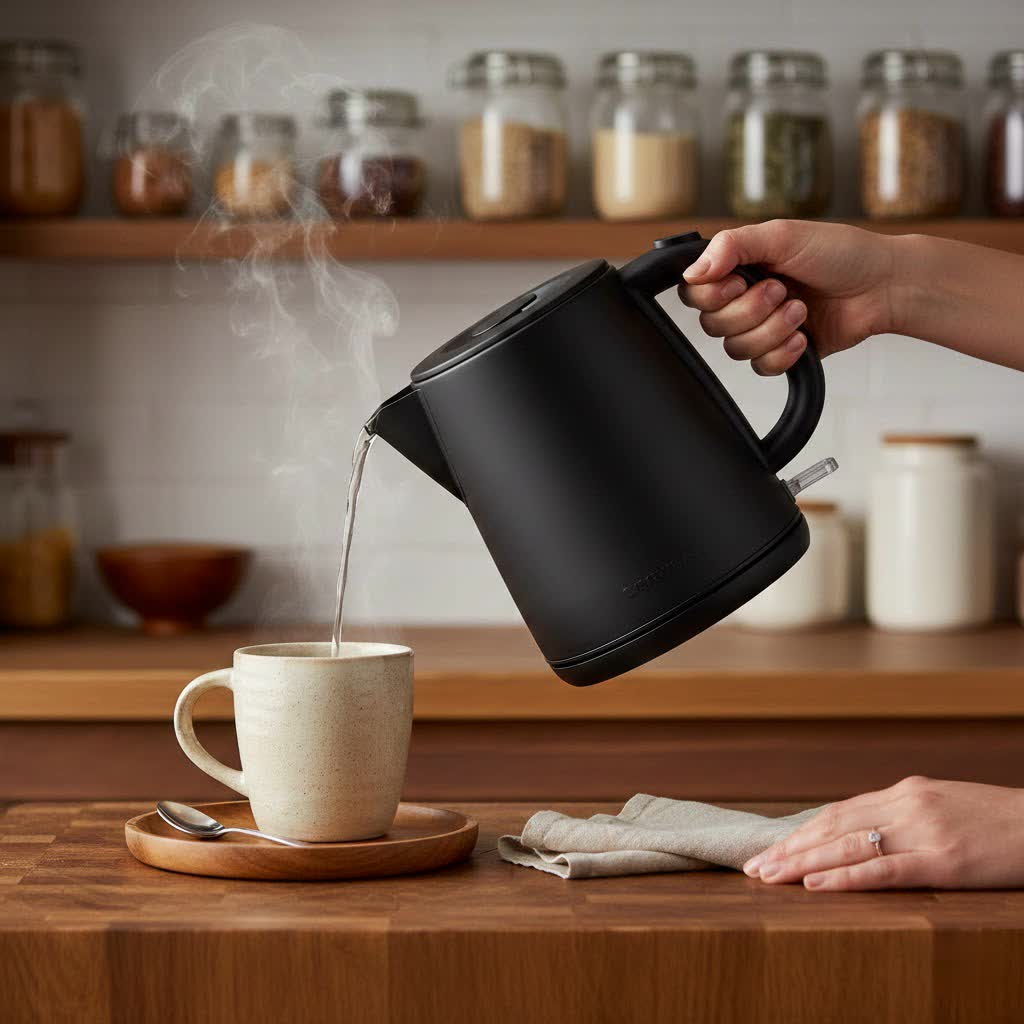
As an experienced technician who has spent over a decade examining countless electric kettles, I understand the common pain points users encounter. The good news is that achieving a truly tidy kitchen, even with your essential electric kettle, is not only possible but often quite simple. This comprehensive guide will equip you with practical, ingenious solutions to tame that wild cord, ensuring your countertops remain immaculate and your kitchen continues to be a space you love.
The Annoyance of Tangled Kettle Cords
It’s more than just an aesthetic issue. An untidy electric kettle cord can be a real headache, impacting both the look and functionality of your kitchen. Visually, a sprawling cord can disrupt the clean lines and minimalist design many strive for, making even the most modern appliances look messy. Beyond appearances, these cords pose several practical problems.
Firstly, they are a safety hazard. A loose cord can easily get snagged, leading to accidental spills of hot water or even causing the kettle to fall, risking burns or damage to the appliance itself. Furthermore, tangled cords accumulate dust and grime, making regular cleaning a tedious chore. They can also obstruct valuable counter space, limiting your working area and making food preparation less efficient. Understanding these frustrations is the first step towards embracing a more organized and enjoyable kitchen environment.
The Transformative Benefits of Organized Kettle Cords
Bringing order to your kettle cord offers a cascade of benefits that extend far beyond mere aesthetics. A neatly managed cord contributes significantly to both the visual appeal and the practical functionality of your kitchen.
Enhanced Aesthetics and Cleanliness: Imagine a kitchen where every element has its place, and surfaces are free from visual distractions. Taming your kettle cord instantly upgrades your countertop’s appearance, creating a streamlined, intentional look. This also means less surface area for dust and crumbs to accumulate, simplifying your cleaning routine and contributing to a more hygienic kitchen.
Improved Safety and Durability: A tucked-away cord dramatically reduces trip hazards and the risk of accidental pulls, which can send hot water cascading. By preventing kinks, twists, and excessive tension, proper cord management also prolongs the life of your kettle’s power cable, saving you from premature wear and the cost of replacement.
Maximized Counter Space: When your kettle cord is no longer sprawling, you reclaim precious counter real estate. This extra space can be used for food prep, displaying decorative items, or simply enjoying a less cluttered environment, making your kitchen feel more open and functional.
Smart Solutions for Electric Kettle Cord Management
Achieving a tidy kettle zone doesn’t require a complete kitchen overhaul. Many clever solutions exist, ranging from simple DIY tricks to purpose-built accessories, ensuring you can find the perfect fit for your lifestyle and kitchen design.
Appliance-Attached Cord Organizers
These innovative solutions are designed to keep the cord neatly wrapped directly on the kettle or its base, making them ideal for kettles that stay on the counter.
- Adhesive Cord Wraps and Holders: Many compact devices feature strong adhesive backing, allowing you to stick them directly onto the back or underside of your kettle’s base. You then simply wrap the excess cord around the organizer when not in use. These are particularly popular for appliances that lack integrated cord storage. They are usually made from silicone or plastic and are very affordable.
- Integrated Cord Storage: Some modern electric kettles come with a built-in compartment or a winding mechanism in the base specifically for the cord. This is the most seamless solution, as the design accounts for cord management from the outset. If you’re in the market for a new kettle, consider this feature.
|
Our Picks for the Best Electric kettle in 2026
As an Amazon Associate I earn from qualifying purchases.
|
||
| Num | Product | Action |
|---|---|---|
| 1 | Chefman Electric Kettle with Temperature Control, 5 Presets LED Indicator Lights, Removable Tea Infuser, Glass Tea Kettle & Hot Water Boiler, 360° Swivel Base, BPA Free, Stainless Steel, 1.8 Liters |

|
| 2 | Chefman Electric Kettle, 1.8L 1500W, Hot Water Boiler, Removable Lid for Easy Cleaning, Auto Shut Off, Boil-Dry Protection, Stainless Steel Filter, BPA Free, Borosilicate Glass Electric Tea Kettle |
|
| 3 | Amazon Basics Electric Stainless Steel Kettle for Tea and Coffee, BPA-Free, Fast Boiling, Auto Shut-Off, 1 Liter, 1500W, Black and Silver |
|
| 4 | OVENTE Electric Kettle, 1.7L Fast Boiling Water Heater for Coffee or Tea, BPA Free with Water Level Gauge, Auto Shut-Off, Boil-Dry Protection, Indicator Light and Removable Filter, White KP72W |
|
| 5 | Amazon Basics Electric Kettle with Glass Carafe for Tea and Coffee, Fast Boiling, Auto Shut-Off, Boil-Dry Protection, Temperature Control, Removable Filter, 1 Liter, 1500W, BPA-Free |
|
| 6 | Cuisinart PerfecTemp 1.7-Liter Electric Kettle, Cordless Electric Tea Kettle, 1500W for Fast Heat-Up, 6 Preset Temperatures, 30-Minute Keep Warm, Stay Cool Nonslip Handle, CPK-17P1 |
|
| 7 | Mueller Rapid Boil Electric Tea Kettle 1.8L – Borosilicate Glass & Stainless Steel – BPA-Free Hot Water Boiler, LED Light, Auto Shut-Off, Boil Dry Protection Fast Water Heater – Kitchen Appliances |
|
| 8 | Cosori Electric Kettle, No Plastic Contact With Water, Wide Mouth For Easy Cleaning, Auto Shut Off, 1.7L Tea Kettle & Hot Water Boiler, Water Heater & Teapot, Borosilicate Glass, Black, 1500W |
|
| 9 | Chefman Electric Kettle with Tea Infuser, Compact 1L (4 Cups), 1500W, Removable Lid for Easy Cleaning, Boil-Dry Protection, Stainless Steel Filter, BPA Free, Auto Shut Off, Small Electric Tea Kettle |
|
| 10 | OVENTE Electric Kettle, 1.5L Borosilicate Glass Countertop Water Heater and Boiler for Coffee or Tea, BPA-Free, Auto Shut-Off, Boil-Dry Protection, Removable and Washable Spout Filter, Black KG83B |
|
“A well-designed appliance should anticipate and solve user problems, and integrated cord storage is a prime example of thoughtful engineering that elevates the everyday kitchen experience.”
External Cord Taming Tools
For kettles without built-in features, or for those who prefer more flexible solutions, a variety of external tools can effectively manage unruly cords.
- Velcro Straps and Cable Ties: These are the unsung heroes of organization. Simple, inexpensive, and endlessly versatile, Velcro straps or reusable cable ties can bundle excess cord neatly. You can wrap them around the coiled cord and secure it behind the kettle, leaving just enough slack to reach the outlet.
- Adhesive Cable Clips and Raceways: For a more permanent and discreet solution, consider adhesive cable clips or raceways. Clips can be adhered to the underside of cabinets or along the backsplash, guiding the cord subtly out of sight. Cable raceways are channels that conceal the entire length of the cord, often paintable to blend seamlessly with your wall or cabinet color. They offer a very clean look but require a bit more installation effort.
- Cable Sleeves: If your kettle shares an outlet with other appliances, a cable sleeve can consolidate multiple cords into one neat bundle. This reduces the spaghetti-like appearance and creates a more organized cable run to the power source. They come in various materials and colors to match your kitchen decor.
Decorative Hiding Spots
Sometimes the best way to manage a cord is to simply make it disappear, either through clever placement or decorative accents.
- Decorative Baskets and Boxes: A stylish woven basket or a dedicated cable management box can serve as an elegant disguise for your kettle’s cord and even the plug. Simply coil the cord inside the basket and place the kettle on top or beside it. Some boxes are designed with cut-outs for cords to pass through, keeping everything contained while still allowing the kettle to be plugged in.
- Appliance Garages: For those undertaking a kitchen renovation or with existing built-in features, an appliance garage is the ultimate cord hiding solution. These recessed cabinets are designed to house small appliances, complete with internal outlets, keeping everything off the counter and out of sight until needed.
- Strategic Decor Placement: Sometimes, a well-placed decorative item can do the trick. Lean a cutting board against the backsplash, or position a small plant or a stack of cookbooks in front of the most unsightly cord sections. This creates a visual barrier that distracts from the cord, integrating it into your kitchen’s aesthetic.
Smart Outlet and Placement Strategies
Rethinking how and where your kettle is plugged in can dramatically reduce cord visibility.
- Under-Cabinet Power Strips: These strips are installed discreetly beneath your upper cabinets, providing outlets that are hidden from view. Plugging your kettle into one of these means the cord only needs to travel a short distance downwards, keeping it mostly out of sight.
- Flat Plug Extension Cords: If your kettle’s existing plug protrudes too much, causing the appliance to sit far from the wall, a flat plug extension cord can be a game-changer. These cords feature a plug that lies flush against the wall, allowing your kettle to sit closer to the backsplash and reducing visible cord slack.
- Optimized Appliance Placement: Simply repositioning your kettle can make a big difference. Place it closer to the outlet it uses, or situate it in a less prominent corner of your countertop. Angling the kettle slightly can also help hide the cord behind the appliance itself.
- Unplugging When Not In Use: While seemingly obvious, unplugging your kettle and neatly coiling its cord for storage in a drawer or cabinet when it’s not needed is an effective strategy for maintaining a clear counter, especially for less frequently used kettles.
Choosing the Best Cord Storage Method for Your Kettle and Kitchen
With so many options available, selecting the ideal cord management solution depends on your specific needs, kitchen setup, and personal preferences. Consider these factors to make an informed choice:
- Frequency of Use: For daily-use kettles, easily accessible solutions like appliance-attached wraps or neatly tucked cords behind the kettle are practical. For occasional use, unplugging and storing the kettle (and its cord) in a cabinet might be best.
- Kitchen Layout and Counter Space: If you have ample counter space and an open layout, decorative baskets or cable management boxes can blend in beautifully. For compact kitchens, adhesive clips under cabinets or flat plug extension cords might be more suitable to maximize every inch.
- Aesthetic Preferences: Do you want the cord completely invisible, or is a neatly bundled but still visible cord acceptable? This will guide your choice between solutions like paintable raceways versus simple Velcro straps.
- Budget: Many effective solutions, such as Velcro ties or repurposing existing decor, are highly affordable or even free. Specialized cable management boxes or under-cabinet power strips represent a slightly larger investment but offer premium aesthetics and functionality.
Tips for Maintaining a Clutter-Free Kettle Zone
Implementing cord management solutions is a great start, but maintaining a tidy kettle area requires a few ongoing habits and considerations.
- Regular Checks and Re-organization: Cords, by their nature, can become dislodged or tangled over time. Periodically check your kettle’s cord management setup to ensure everything is still neat and secure. A quick re-wrap or re-tuck can prevent a full-blown mess.
- Keep the Area Clear: Beyond the cord itself, ensure the immediate vicinity of your kettle is free from unnecessary items. A clear space around the appliance makes cord management easier and reinforces the overall tidy aesthetic.
- Avoid Over-Tightening Cords: While neatness is the goal, avoid wrapping kettle cords too tightly. Excessive bending or tension can damage the internal wires over time, creating a potential safety hazard and shortening the cord’s lifespan. Aim for gentle loops rather than taut coils.
- Clean Regularly: Wipe down your kettle and its visible cord sections regularly. This prevents dust and grime buildup and keeps the entire setup looking fresh and well-maintained.
Common Mistakes to Avoid in Kettle Cord Management
Even with the best intentions, certain practices can undermine your efforts or even compromise safety. Be mindful of these common pitfalls:
- Over-Tightening or Kinking Cords: As mentioned, extreme bends can damage the insulation and wiring, leading to fraying or shorts. Always coil cords loosely.
- Blocking Ventilation: When using cable management boxes or decorative covers, ensure they do not obstruct the kettle’s ventilation points, especially on the base, or trap excessive heat, which could be a fire hazard.
- Using Damaged Cords or Organizers: Never use a kettle if its cord is frayed, cut, or otherwise damaged. Similarly, replace any cord organizers that are no longer holding securely.
- Overloading Outlets: While managing multiple cords, resist the temptation to plug too many high-wattage appliances, including your kettle, into a single power strip or outlet. This can lead to circuit overloads and fire risks.
- Assuming All Solutions are Permanent: Some adhesive solutions may lose their stickiness over time, or decorative elements might shift. Regularly assess your setup and be prepared to refresh or adjust as needed.
Frequently Asked Questions
How tight can I wrap my electric kettle cord?
You should always avoid wrapping your electric kettle cord too tightly. Overly tight coils can stress the internal wiring, potentially causing damage, fraying, or even a fire hazard over time. Aim for gentle, loose loops to ensure the cord’s longevity and safety.
Are appliance-attached cord organizers safe for electric kettles?
Yes, appliance-attached cord organizers are generally safe for electric kettles when used correctly. Ensure that the organizer does not block any ventilation points on the kettle’s base and that the adhesive is strong enough to hold the coiled cord securely without putting strain on the power cable.
Can I use a regular extension cord with my electric kettle?
It is generally not recommended to use a regular household extension cord with high-wattage appliances like electric kettles. Kettles draw a significant amount of power, and a lightweight extension cord can overheat, posing a fire risk. If an extension cord is absolutely necessary, ensure it is a heavy-duty model specifically rated for the kettle’s wattage.
What if my electric kettle has no built-in cord storage?
Many effective external solutions exist if your kettle lacks built-in cord storage. You can use adhesive cord wraps that stick to the appliance, Velcro straps to bundle excess cord, or decorative baskets and cable management boxes to conceal it on the countertop.
How often should I clean my kettle cord and its storage area?
It’s a good practice to wipe down your kettle cord and its immediate storage area weekly or bi-weekly, especially in the kitchen environment where dust, grease, and food particles can accumulate. This keeps your setup hygienic and helps you spot any signs of wear or damage early.