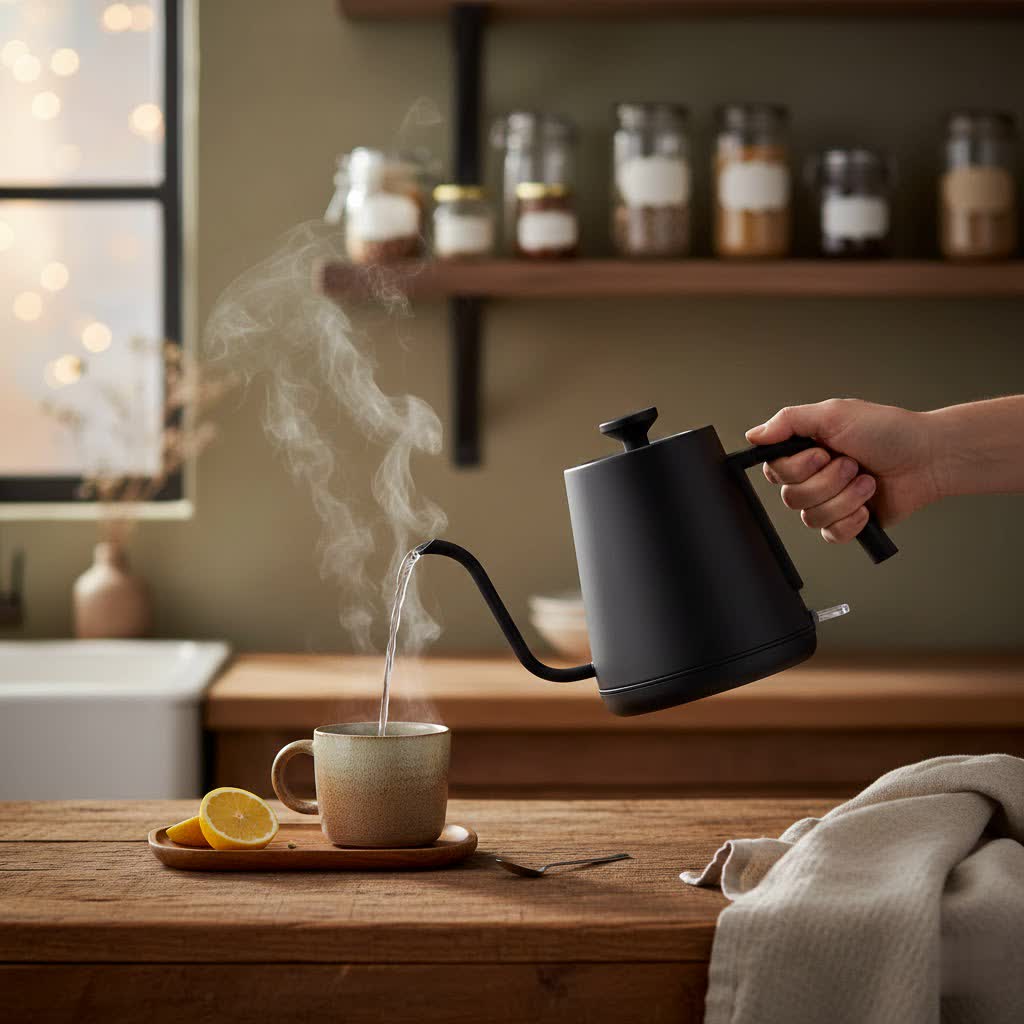
In the modern kitchen, the electric kettle stands as an indispensable appliance, swiftly providing hot water for everything from your morning coffee and tea to instant meals. While its convenience is unmatched, many users unknowingly engage in habits that drastically shorten their electric kettle’s lifespan. Understanding and rectifying these common errors is key to ensuring your appliance remains a reliable workhorse for years to come. This guide, penned by a technician with over a decade of experience in electric kettle mechanics, aims to equip you with the knowledge to extend your kettle’s life and maintain its peak performance.
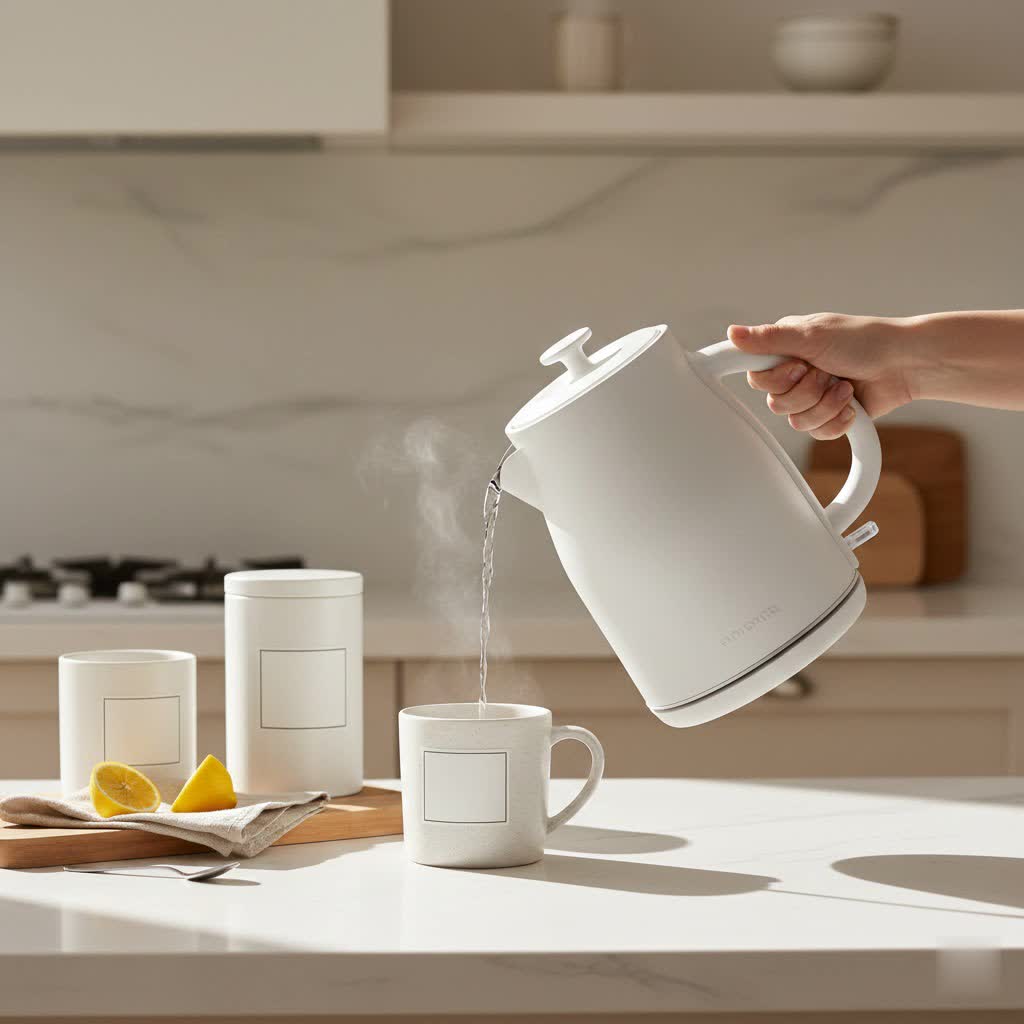
Electric Kettle: Overview and Buying Guide
The Evolution of the Electric Kettle
|
Our Picks for the Best Electric kettle in 2026
As an Amazon Associate I earn from qualifying purchases.
|
||
| Num | Product | Action |
|---|---|---|
| 1 | Chefman Electric Kettle, 1.8L 1500W, Hot Water Boiler, Removable Lid for Easy Cleaning, Auto Shut Off, Boil-Dry Protection, Stainless Steel Filter, BPA Free, Borosilicate Glass Electric Tea Kettle |

|
| 2 | Cuisinart PerfecTemp 1.7-Liter Electric Kettle, Cordless Electric Tea Kettle, 1500W for Fast Heat-Up, 6 Preset Temperatures, 30-Minute Keep Warm, Stay Cool Nonslip Handle, CPK-17P1 |
|
| 3 | Cosori Electric Kettle, No Plastic Contact With Water, Wide Mouth For Easy Cleaning, Auto Shut Off, 1.7L Tea Kettle & Hot Water Boiler, Water Heater & Teapot, Borosilicate Glass, Black, 1500W |
|
| 4 | OVENTE Electric Kettle, 1.5L Borosilicate Glass Countertop Water Heater and Boiler for Coffee or Tea, BPA-Free, Auto Shut-Off, Boil-Dry Protection, Removable and Washable Spout Filter, Black KG83B |
|
| 5 | OVENTE Electric Kettle, 1.7L Fast Boiling Water Heater for Coffee or Tea, BPA Free with Water Level Gauge, Auto Shut-Off, Boil-Dry Protection, Indicator Light and Removable Filter, White KP72W |
|
| 6 | Chefman Electric Kettle with Tea Infuser, Compact 1L (4 Cups), 1500W, Removable Lid for Easy Cleaning, Boil-Dry Protection, Stainless Steel Filter, BPA Free, Auto Shut Off, Small Electric Tea Kettle |
|
| 7 | Amazon Basics Electric Kettle with Glass Carafe for Tea and Coffee, Fast Boiling, Auto Shut-Off, Boil-Dry Protection, Temperature Control, Removable Filter, 1 Liter, 1500W, BPA-Free |
|
| 8 | Chefman Electric Kettle with Temperature Control, 5 Presets LED Indicator Lights, Removable Tea Infuser, Glass Tea Kettle & Hot Water Boiler, 360° Swivel Base, BPA Free, Stainless Steel, 1.8 Liters |
|
| 9 | Mueller Rapid Boil Electric Tea Kettle 1.8L – Borosilicate Glass & Stainless Steel – BPA-Free Hot Water Boiler, LED Light, Auto Shut-Off, Boil Dry Protection Fast Water Heater – Kitchen Appliances |
|
| 10 | Amazon Basics Electric Stainless Steel Kettle for Tea and Coffee, BPA-Free, Fast Boiling, Auto Shut-Off, 1 Liter, 1500W, Black and Silver |
|
The journey of the electric kettle began in the late 19th century, emerging as a novel alternative to traditional stovetop models. Early iterations, such as those by Carpenter Electric Co. in 1891, featured heating elements in separate compartments, a design that proved less efficient. A significant breakthrough arrived in the 1920s when the Swan Company pioneered kettles with built-in, immersed heating elements, drastically reducing boiling times and improving energy efficiency. Further innovations, like Russell Hobbs’ introduction of the first automatic electric kettle in 1956, brought features like automatic shut-off, making these appliances safer and more user-friendly. Over the decades, material advancements, from early metals and ceramics to stainless steel, glass, and BPA-free plastics, have shaped the diverse range of kettles available today.
Common Types of Electric Kettles
Electric kettles vary widely in design, material, and functionality, catering to diverse needs and preferences.
- Standard/Rapid-Boil Kettles: These are the most common, designed for straightforward, quick boiling with a simple on/off switch.
- Temperature Control Kettles: Ideal for tea and coffee enthusiasts, these allow users to select specific temperatures, preventing delicate beverages from being “burned” by overly hot water. They often include digital displays and keep-warm functions.
- Glass Kettles: Valued for their aesthetic appeal and the ability to watch water boil, these kettles often use borosilicate glass, which is resistant to thermal shock. They typically feature stainless steel bases and accents.
- Stainless Steel Kettles: Known for their durability and resistance to rust, stainless steel models are robust and efficient. They are a popular choice for their sleek, modern look.
- Plastic Kettles: Often the most affordable and lightweight option, plastic kettles are convenient for travel. It’s crucial to choose models made from BPA-free materials for health and safety.
- Gooseneck Kettles: Characterized by their long, slender spout, gooseneck kettles offer precise pouring control, making them a favorite among pour-over coffee aficionados.
- Smart Kettles: Integrating with smart home systems, these kettles offer advanced features like Wi-Fi or Bluetooth connectivity, app control, and even voice commands, allowing users to schedule boiling times remotely.
Guide to Choosing an Electric Kettle
Selecting the right electric kettle isn’t just about aesthetics; it’s about finding an appliance that aligns with your usage habits and contributes to its longevity.
- Capacity:
- Personal Use: For individuals or couples, a 1.0 to 1.2-liter kettle is usually sufficient, boiling water quickly for a few cups.
- Family Use: Larger households might benefit from 1.5 to 2.0-liter models to accommodate greater demand for hot beverages or cooking.
- Material:
- Stainless Steel: Offers durability and fast heating. Look for 304-grade stainless steel for corrosion resistance.
- Glass: Provides a clear view of the boiling process and doesn’t impart flavors. Handle with care as it’s more fragile.
- Plastic: Lightweight and budget-friendly. Always ensure it’s BPA-free to avoid chemical leaching into your water.
- Wattage (Power): Higher wattage (e.g., 2000W-3000W) means faster boiling times. This can be a key factor for those in a hurry.
- Features:
- Automatic Shut-off: A standard safety feature that turns the kettle off once water boils or if it runs dry. Essential for preventing overheating and damage.
- Temperature Control: Allows for precise heat settings, beneficial for various types of tea and coffee.
- Keep Warm Function: Maintains water at a desired temperature for an extended period.
- Limescale Filter: A removable filter near the spout helps catch mineral deposits, ensuring cleaner pours.
- Brand Reputation and Price: Reputable brands often offer better build quality and customer support. While higher prices sometimes indicate premium features and materials, there are many reliable mid-range options. Comparing prices and reading user reviews can help you find a balance between quality and budget.
Maximizing Your Kettle’s Lifespan: Avoiding Common Mistakes
The key to a long-lasting electric kettle lies in understanding and preventing common usage and maintenance errors. These seemingly minor oversights can lead to reduced efficiency, damage, and ultimately, premature failure.
Using the Wrong Amount of Water
One of the most frequent mistakes is incorrectly filling the kettle.
- Overfilling: Exceeding the “max fill” line is dangerous. Boiling water can bubble over, potentially spilling onto the electrical base or heating element, leading to short circuits, safety hazards, and damage to the appliance.
- Underfilling or Dry Boiling: Operating the kettle with too little water or, worse, no water at all, is extremely damaging. The heating element, designed to be submerged, can rapidly overheat and burn out, posing a fire risk. Always ensure the water level is between the minimum and maximum markers.
Ignoring Limescale and Mineral Buildup
In many areas, tap water contains minerals like calcium and magnesium, which, when heated, form a chalky residue known as limescale.
- Impact: Limescale buildup acts as an insulator, forcing the kettle’s heating element to work harder and longer to boil water. This reduces efficiency, increases energy consumption, and places undue stress on the element, significantly shortening its lifespan. It can also affect the taste of your beverages.
- Solution: Regular descaling is crucial. Depending on your water hardness and usage, descale your kettle monthly or every few months. Common methods include boiling a solution of equal parts water and white vinegar, or water with lemon juice or citric acid, letting it sit, then rinsing thoroughly.
Leaving Water in the Kettle After Use
Many users leave leftover water in the kettle, either out of convenience or habit.
- Impact: Stagnant water can lead to increased limescale formation and potentially affect the taste and quality of your next brew. While not immediately damaging, it contributes to faster wear.
- Solution: Empty your kettle after each use and rinse it. Allow it to air dry or wipe the interior with a clean cloth to prevent mineral deposits from setting.
Using the Kettle for Non-Water Liquids
Electric kettles are specifically designed to boil water. Introducing other liquids can cause irreversible damage.
- Impact: Boiling milk, soup, oil, or other beverages can leave behind residues that burn onto the heating element, create strong odors, and are difficult, if not impossible, to clean. This can permanently impair the kettle’s function and hygiene.
- Solution: Strictly use your electric kettle for boiling water only. If you need to heat other liquids, use appropriate cookware on a stovetop.
Neglecting Power Cord and Placement Safety
Electrical safety is paramount, and overlooking details related to the power cord and kettle placement can be hazardous.
- Impact: Frayed, twisted, or damaged power cords pose electrocution and fire risks. Plugging the kettle into an overloaded or inadequate socket can cause power surges, tripping breakers, or damaging the kettle’s electronics. Placing the kettle near flammable materials or on an uneven surface is also dangerous.
- Solution: Always inspect the power cord and plug for damage. Use a dedicated, grounded outlet. Ensure the kettle is placed on a stable, flat, heat-resistant surface, away from other appliances and flammable objects. Keep the power base and cord dry.
Ignoring Manufacturer Guidelines and Regular Maintenance
Every electric kettle comes with a user manual, offering specific instructions for optimal performance and care.
- Impact: Disregarding these guidelines, from initial setup to cleaning frequency, can lead to misuse and accelerated wear. Forgetting to clean filters or exterior surfaces also contributes to a shorter lifespan.
- Solution: Read your kettle’s manual. Adhere to recommended cleaning schedules, especially for descaling and wiping down the exterior to prevent watermarks and maintain its appearance.
Opening the Lid During Boiling
While it might be tempting to check the water, opening the lid prematurely can disrupt safety mechanisms.
- Impact: Most modern electric kettles feature an automatic shut-off mechanism triggered by steam. Opening the lid during boiling can interrupt this process, preventing the kettle from turning off and potentially leading to dry boiling or excessive boiling, which wastes energy and can damage the element.
- Solution: Allow the kettle to complete its boiling cycle and automatically switch off before opening the lid.
Not Allowing the Kettle to Cool Down
Pouring out all the boiling water immediately can sometimes be detrimental.
- Impact: Rapid temperature changes can create thermal shock, especially for glass or ceramic models, potentially causing cracks or stress on components.
- Solution: Some experts suggest leaving a small amount of water in the kettle for a moment or allowing it to cool slightly before completely emptying, to ensure the heating plate cools down gradually.
Common Kettle Faults and How to Fix Them
Even with the best care, electric kettles can encounter issues. Here are common problems and their typical solutions:
- Kettle Not Working:
- Cause: No power, faulty connection, dry boil protection activated, or a blown fuse.
- Fix: Check if it’s plugged in securely. Ensure the base is dry and properly connected. Allow the kettle to cool down if dry boil protection was triggered. Try a different outlet. If the fuse is accessible and replaceable, check it.
- Kettle Takes Too Long to Boil:
- Cause: Limescale buildup, low wattage, or an inefficient heating element.
- Fix: Most commonly, descaling will resolve this. If the kettle is old, its efficiency may naturally decrease.
- Kettle Leaks Water:
- Cause: Cracked body (especially glass/plastic), loose seals, or a damaged spout.
- Fix: If the body is cracked, the kettle needs replacement for safety reasons. Check seals and ensure all parts are tightened if they are designed to be removable.
- Kettle Has a Strange Smell or Taste:
- Cause: Limescale, residue from non-water liquids, or new plastic components.
- Fix: Descale thoroughly. If it’s a new kettle, boil and discard water several times to eliminate any manufacturing odors. Never use non-water liquids.
Where to Purchase an Electric Kettle
When it’s time to purchase a new electric kettle, or if you’re looking for an upgrade, you have several reliable options:
- Electronics Stores: Major electronics retailers offer a wide selection of brands and models, allowing you to see and compare products in person.
- Department Stores: Many department stores feature kitchenware sections with various electric kettles, often including design-focused or premium brands.
- Online Retailers: Websites provide an extensive range of kettles, competitive pricing, and user reviews. Be sure to check seller reputation and warranty information.
- Specialty Kitchen Stores: For unique designs or high-end models, specialty kitchen stores can offer expert advice and exclusive brands.
When buying online, always verify the seller’s return policy and ensure the product comes with a manufacturer’s warranty.
Conclusion
Your electric kettle is a vital part of your daily routine, and with proper care, it can provide years of efficient service. By consciously avoiding common mistakes like overfilling, neglecting descaling, or using it for unintended liquids, you not only ensure its longevity but also maintain the quality of your hot beverages and uphold kitchen safety. Regular maintenance, adherence to manufacturer guidelines, and a mindful approach to its use are small efforts that yield significant benefits. Embrace these practices, and your electric kettle will remain a reliable companion in your kitchen.
What steps will you take today to extend the life of your electric kettle?
Frequently Asked Questions
How often should I descale my electric kettle?
The frequency of descaling largely depends on the hardness of your water and how often you use the kettle. For hard water areas or daily use, descaling once a month is recommended. In areas with softer water or less frequent use, every two to three months should suffice. Look for visual signs of mineral buildup to guide your schedule.
Can I use store-bought descaling solutions?
Yes, commercially available descaling solutions specifically designed for electric kettles are highly effective. Always follow the product’s instructions carefully for the best and safest results. Natural alternatives like white vinegar or lemon juice are also excellent for descaling.
Is it safe to leave water in the electric kettle overnight?
While generally safe, leaving water in your electric kettle overnight is not ideal. It can contribute to increased limescale buildup, especially if you have hard water, and might affect the freshness and taste of your water the next morning. It’s best practice to empty and rinse the kettle after each use.
What causes a strange taste or smell in my boiled water?
A strange taste or smell often indicates limescale buildup, which can impart a metallic or stale flavor. Descaling your kettle thoroughly should eliminate this issue. If the kettle is new, boiling and discarding water a few times can remove any manufacturing odors. Ensure you only boil water, as other liquids can leave persistent residues.
How can I prevent my electric kettle from breaking down prematurely?
To prevent premature breakdown, consistently follow correct usage and maintenance practices. This includes never dry boiling, regular descaling, filling correctly between min/max lines, using only for water, ensuring power cord safety, and adhering to manufacturer guidelines. These habits protect the heating element and internal components, extending the appliance’s life.