In today’s fast-paced world, an electric kettle is a household essential, offering speed and convenience for everything from a morning coffee to a soothing evening tea. But with countless options flooding the market, how do you find one that balances performance, durability, and cost? Clatronic, a brand known for its accessible pricing, presents an intriguing case. This comprehensive review delves into the world of Clatronic electric kettles, helping you understand their strengths, weaknesses, and whether they align with your brewing needs.
Electric Kettle: An Overview and Buying Guide
|
Our Picks for the Best Electric kettle in 2026
As an Amazon Associate I earn from qualifying purchases.
|
||
| Num | Product | Action |
|---|---|---|
| 1 | Chefman Electric Kettle, 1.8L 1500W, Hot Water Boiler, Removable Lid for Easy Cleaning, Auto Shut Off, Boil-Dry Protection, Stainless Steel Filter, BPA Free, Borosilicate Glass Electric Tea Kettle |

|
| 2 | Amazon Basics Electric Stainless Steel Kettle for Tea and Coffee, BPA-Free, Fast Boiling, Auto Shut-Off, 1 Liter, 1500W, Black and Silver |
|
| 3 | Chefman Electric Kettle with Tea Infuser, Compact 1L (4 Cups), 1500W, Removable Lid for Easy Cleaning, Boil-Dry Protection, Stainless Steel Filter, BPA Free, Auto Shut Off, Small Electric Tea Kettle |
|
| 4 | Cuisinart PerfecTemp 1.7-Liter Electric Kettle, Cordless Electric Tea Kettle, 1500W for Fast Heat-Up, 6 Preset Temperatures, 30-Minute Keep Warm, Stay Cool Nonslip Handle, CPK-17P1 |
|
| 5 | Mueller Rapid Boil Electric Tea Kettle 1.8L – Borosilicate Glass & Stainless Steel – BPA-Free Hot Water Boiler, LED Light, Auto Shut-Off, Boil Dry Protection Fast Water Heater – Kitchen Appliances |
|
| 6 | Cosori Electric Kettle, No Plastic Contact With Water, Wide Mouth For Easy Cleaning, Auto Shut Off, 1.7L Tea Kettle & Hot Water Boiler, Water Heater & Teapot, Borosilicate Glass, Black, 1500W |
|
| 7 | Amazon Basics Electric Kettle with Glass Carafe for Tea and Coffee, Fast Boiling, Auto Shut-Off, Boil-Dry Protection, Temperature Control, Removable Filter, 1 Liter, 1500W, BPA-Free |
|
| 8 | Chefman Electric Kettle with Temperature Control, 5 Presets LED Indicator Lights, Removable Tea Infuser, Glass Tea Kettle & Hot Water Boiler, 360° Swivel Base, BPA Free, Stainless Steel, 1.8 Liters |
|
| 9 | OVENTE Electric Kettle, 1.5L Borosilicate Glass Countertop Water Heater and Boiler for Coffee or Tea, BPA-Free, Auto Shut-Off, Boil-Dry Protection, Removable and Washable Spout Filter, Black KG83B |
|
| 10 | OVENTE Electric Kettle, 1.7L Fast Boiling Water Heater for Coffee or Tea, BPA Free with Water Level Gauge, Auto Shut-Off, Boil-Dry Protection, Indicator Light and Removable Filter, White KP72W |
|
Electric kettles have come a long way since their inception. Early designs were basic, but modern technology has transformed them into sophisticated appliances. From simple boil-and-serve models to those with advanced temperature control, the evolution has been driven by a demand for efficiency and customization. Key milestones include the introduction of automatic shut-off features for safety and cordless designs for convenience, making kettles indispensable kitchen tools globally.
Popular Electric Kettle Types
The market offers diverse electric kettle types to suit varied lifestyles:
- Standard Kettles: These are the most common, simply boiling water to 100°C and automatically shutting off. Many Clatronic models fall into this category, offering straightforward functionality.
- Variable Temperature Kettles: Ideal for connoisseurs of different teas and coffees, these allow users to select precise temperatures, though this feature is less common in Clatronic’s budget-focused range.
- Glass Kettles: Offering a stylish aesthetic and allowing users to watch the boiling process, these are popular for their clean look. Clatronic typically focuses on stainless steel or plastic builds.
- Travel Kettles: Compact and often with smaller capacities (like the Clatronic WKR 3624), these are designed for portability and convenience on the go.
Essential Considerations When Choosing an Electric Kettle
Selecting the right electric kettle involves weighing several factors to ensure it meets your specific demands:
- Capacity: Determine your usage. A 0.5-liter travel kettle might suffice for one, while a 1.7-liter model (common in Clatronic’s WK 3445, WK 3691, WK 3692) is better suited for families or frequent entertaining.
- Material:
- Stainless Steel: Durable, heat-efficient, and often preferred for hygiene. Many Clatronic kettles feature stainless steel elements or housing.
- Glass: Visually appealing and non-reactive, though more fragile.
- Plastic: Lightweight and affordable, but some users report a plastic taste or smell, a concern sometimes noted with Clatronic models.
- Power (Wattage): Higher wattage (e.g., 1850-2200W common for Clatronic) generally means faster boiling times, which also impacts energy consumption.
- Features:
- Automatic Shut-Off: A crucial safety feature that turns the kettle off once water boils.
- Boil-Dry Protection: Prevents the kettle from operating when empty, safeguarding the heating element. Most Clatronic kettles include these.
- Temperature Control: Allows for specific temperature settings.
- Keep Warm Function: Maintains water temperature for a period.
- Anti-Limescale Filter: A removable filter helps catch mineral deposits, ensuring cleaner water.
- Brand Reputation: Clatronic is generally known as a budget-friendly brand, often delivering a “get what you pay for” experience. While they offer functional products, expectations should be managed regarding premium features or materials.
- Price: Electric kettles range widely. Clatronic models typically fall into the entry-level to mid-range segment, making them attractive for those seeking functionality without a high investment.
Reviewing the Clatronic Electric Kettle Range
Clatronic electric kettles are frequently chosen for their competitive pricing and basic functionality. While they serve the primary purpose of boiling water efficiently, user experiences highlight both admirable qualities and notable drawbacks across their various models.
Design and Build Quality
Clatronic kettles often feature straightforward, functional designs. Models like the WK 3692 boast a stainless steel housing, giving them a sleek appearance. However, closer inspection or prolonged use reveals areas where cost-saving measures are apparent. Plastic components are common, particularly for lids, handles, and water level indicators, even on models with a stainless steel body. This can sometimes lead to a less premium feel or contribute to issues like the exterior getting very hot due to single-walled construction, as some WK 3692 users have observed. The WK 3445, for example, is described as having a “plastic look” despite some stainless steel elements. Clatronic also offers retro-style kettles like the WK 3691, aiming for aesthetic appeal at a lower price point.
Performance
In terms of core performance, many Clatronic kettles are praised for their fast boiling times. With wattages typically ranging from 1850W to 2200W, they can bring water to a boil quickly, making them efficient for daily use. However, this speed can sometimes come with increased noise levels, which some users find noticeably louder than other brands.
Key Features and Safety
Clatronic incorporates several standard safety and convenience features:
- Automatic and Manual Shut-off: These kettles will switch off once the water boils or can be manually turned off.
- Boil-Dry and Overheat Protection: Essential safety mechanisms that prevent damage if the kettle is accidentally switched on without water.
- External Water Level Indicators: Most models feature one or two clear indicators, making it easy to gauge fill levels.
- Removable Limescale Filters: Designed to trap mineral deposits, contributing to cleaner water, though the effectiveness can vary.
- Concealed Heating Elements: While many modern kettles feature concealed stainless steel heating elements for easier cleaning and longevity, some Clatronic models, like the WK 3445, have been noted by users to have non-concealed heating elements, which can complicate descaling.
- Cordless Design and Base Station: Allows for easy pouring and placement from any angle on its 360° rotational base, which often includes cord storage.
User Experience: The Pros
Users often highlight several advantages when reviewing Clatronic electric kettles:
- Affordability: This is consistently the strongest selling point. Clatronic kettles offer basic functionality at a very attractive price, making them excellent value for money for budget-conscious buyers.
- Quick Boiling: Despite the lower price, many models deliver impressively fast boiling times, making them convenient for busy mornings.
- Simple Operation: Their straightforward design makes them easy to use, with a simple on/off switch and clear water level indicators.
- Variety for Different Needs: From compact travel kettles (e.g., WKR 3624) to larger family-sized models, Clatronic offers options to suit various capacities.
User Experience: The Cons and Common Issues
However, the budget-friendly nature of Clatronic kettles often comes with trade-offs that can impact the user experience:
- Plastic Smell and Taste: A significant concern reported for some models, particularly the WK 3445, is an initial chemical or plastic smell and taste in the water, which can be off-putting.
- Hot Exterior: Kettles with single-walled stainless steel construction, such as the WK 3692, tend to get very hot on the outside, posing a burn risk and causing water to cool down faster.
- Lid Design and Functionality: Some users find the lid mechanisms awkward, reporting issues with buttons being poorly placed, lids splashing when opened, or even breaking over time. Difficulty in cleaning the interior due to small lid openings is also mentioned.
- Noise During Operation: While many kettles make noise, some Clatronic models are described as particularly loud during the boiling cycle.
- Automatic Shut-Off Malfunctions: There have been reports, especially for the WK 3445, where the automatic shut-off feature fails after a few months, posing a safety hazard as the kettle continues to boil indefinitely.
- Non-Concealed Heating Elements: For models where the heating element is not concealed, cleaning limescale can be more difficult and potentially less hygienic.
- Plug Compatibility: International buyers occasionally report receiving kettles with non-standard plugs (e.g., German rather than local, requiring an adapter).
- Perceived Cheapness of Plastic Parts: While understandable for the price point, the quality of plastic components can feel flimsy or less durable compared to higher-end models.
Tips for Using and Maintaining Your Clatronic Electric Kettle
To maximize the lifespan and performance of your Clatronic electric kettle and mitigate some common issues, proper care is crucial.
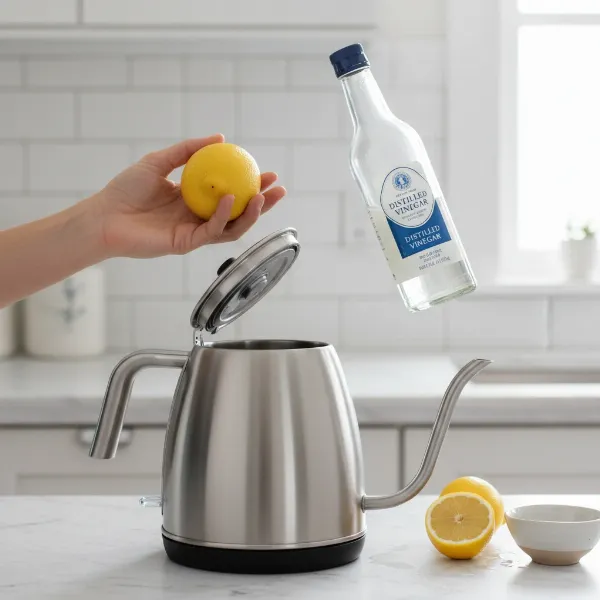
- Initial Cleaning for Plastic Taste: If you experience a plastic taste, try boiling and discarding water several times. Some users also recommend boiling a mixture of water and vinegar or lemon slices to help remove residual odors and flavors.
- Regular Descaling: Limescale buildup is a common enemy of all kettles, especially in hard water areas.
- Vinegar Method: Fill the kettle with equal parts white vinegar and water. Boil the mixture, let it sit for 30 minutes to an hour, then pour it out and rinse thoroughly multiple times.
- Commercial Descalers: Follow product instructions for effective descaling.
- Regular descaling improves efficiency and water taste.
- Safe Handling: Be mindful that the exterior of some Clatronic kettles can become very hot during operation. Always use the handle and allow the kettle to cool before handling the body.
- Proper Filling: Avoid overfilling to prevent spills and underfilling to protect the heating element from boil-dry damage. Adhere to the minimum and maximum fill lines.
- Exterior Cleaning: Wipe the exterior with a damp cloth to keep it clean. Avoid abrasive cleaners that could damage the finish.
- Cord Care: Ensure the power cord is not frayed or damaged, and use the cord storage on the base station if available to keep it tidy and protected.
Troubleshooting Common Clatronic Electric Kettle Problems
Even with proper care, issues can arise. Here are some common problems and troubleshooting steps relevant to Clatronic kettles:
- Kettle Not Turning On:
- Check if the kettle is properly plugged into a functional outlet.
- Inspect the power cord and plug for any visible damage.
- Ensure the on/off switch isn’t faulty or stuck. If these basic checks fail, the internal wiring or heating element might be damaged, requiring professional repair or replacement.
- Water Takes Too Long to Boil:
- Scale Buildup: This is a frequent cause. Descale your kettle regularly as described above.
- Water Level: Ensure you’re filling it within the recommended minimum and maximum levels.
- A faulty thermostat could also be the culprit, needing repair.
- Plastic Smell/Taste Persists:
- Continue the initial cleaning steps (multiple boils, vinegar/lemon solution). If the problem doesn’t diminish after several uses, it might be an inherent material issue, and considering a different kettle material (e.g., higher-grade stainless steel or glass) might be necessary.
- Lid Malfunctions (Difficulty Opening/Splashing):
- Inspect for any debris around the hinge or locking mechanism.
- If the spring is broken or the plastic mechanism is damaged, it might require professional repair or replacement of the lid component, if available.
- Automatic Shut-Off Failure:
- This is a serious safety concern. If the kettle doesn’t shut off after boiling, discontinue use immediately. This often indicates a faulty thermostat or internal electrical issue and requires professional repair or replacement.
- Unusual Noise During Boiling:
- While some noise is normal, excessive rattling or bubbling can indicate limescale buildup. Descale the kettle.
- If the noise persists and is unusual, it might point to a heating element issue or other internal damage, warranting professional inspection.
Where to Purchase Clatronic Electric Kettles?
Clatronic electric kettles are widely available through various retail channels, making them easy to find:
- Electronics Stores: Many general electronics and home appliance stores may carry Clatronic products due to their broad market appeal.
- Online Retailers: Platforms like Amazon, eBay, and other country-specific e-commerce sites (e.g., bol.com, Digitec.ch, Galaxus) frequently stock a range of Clatronic kettle models.
- Supermarkets and Discount Stores: Given their budget-friendly positioning, Clatronic kettles can sometimes be found in larger supermarkets or discount household goods stores.
When purchasing online, always verify the seller’s reputation and check for customer reviews regarding the specific model to avoid issues with plug compatibility or product descriptions.
Conclusion
Clatronic electric kettles present a compelling option for those seeking a functional and affordable appliance. They generally excel in delivering quick boiling times and essential safety features like automatic shut-off and boil-dry protection. Their straightforward designs and competitive pricing make them an accessible choice for everyday use, whether you need a large capacity for family needs or a compact model for travel.
However, potential buyers should be aware of the trade-offs often associated with their budget-friendly nature. These can include issues with plastic taste and smell in some models, exteriors that get very hot, and occasional concerns about lid durability or automatic shut-off reliability. If you prioritize maximum durability, premium materials, or advanced features like precise temperature control, a Clatronic kettle might require a careful selection of specific models or a willingness to accept these compromises.
Ultimately, a Clatronic electric kettle can be a reliable workhorse for your kitchen if you manage your expectations regarding its budget category. By understanding its capabilities and limitations, and by committing to proper maintenance, you can enjoy hot beverages efficiently without breaking the bank. Which Clatronic model best fits your daily routine and budget, weighing its practical benefits against its potential quirks?