Choosing the right electric kettle for your kitchen can feel like a surprisingly complex decision, especially when faced with the gleaming choices of glass and robust stainless steel. Are you prioritizing a clean aesthetic, or is unwavering durability and superior heat retention your main concern? This comprehensive guide will cut through the noise, offering a detailed comparison of glass and stainless steel electric kettles, helping you understand their unique advantages, potential drawbacks, and ultimately, which one perfectly aligns with your boiling needs and health priorities.
Electric Kettle: Overview and Buying Guide
Electric kettles have become an indispensable tool in modern kitchens, offering rapid and efficient water heating for everything from your morning coffee to instant soups. With the push of a button, these appliances streamline the process, often equipped with features like precise temperature control, automatic shut-off, and keep-warm functions, enhancing both convenience and versatility in your daily routine.
The Evolution of Electric Kettles
|
Our Picks for the Best Electric kettle in 2026
As an Amazon Associate I earn from qualifying purchases.
|
||
| Num | Product | Action |
|---|---|---|
| 1 | Mueller Rapid Boil Electric Tea Kettle 1.8L – Borosilicate Glass & Stainless Steel – BPA-Free Hot Water Boiler, LED Light, Auto Shut-Off, Boil Dry Protection Fast Water Heater – Kitchen Appliances |

|
| 2 | OVENTE Electric Kettle, 1.7L Fast Boiling Water Heater for Coffee or Tea, BPA Free with Water Level Gauge, Auto Shut-Off, Boil-Dry Protection, Indicator Light and Removable Filter, White KP72W |
|
| 3 | Cuisinart PerfecTemp 1.7-Liter Electric Kettle, Cordless Electric Tea Kettle, 1500W for Fast Heat-Up, 6 Preset Temperatures, 30-Minute Keep Warm, Stay Cool Nonslip Handle, CPK-17P1 |
|
| 4 | Chefman Electric Kettle with Tea Infuser, Compact 1L (4 Cups), 1500W, Removable Lid for Easy Cleaning, Boil-Dry Protection, Stainless Steel Filter, BPA Free, Auto Shut Off, Small Electric Tea Kettle |
|
| 5 | OVENTE Electric Kettle, 1.5L Borosilicate Glass Countertop Water Heater and Boiler for Coffee or Tea, BPA-Free, Auto Shut-Off, Boil-Dry Protection, Removable and Washable Spout Filter, Black KG83B |
|
| 6 | Chefman Electric Kettle, 1.8L 1500W, Hot Water Boiler, Removable Lid for Easy Cleaning, Auto Shut Off, Boil-Dry Protection, Stainless Steel Filter, BPA Free, Borosilicate Glass Electric Tea Kettle |
|
| 7 | Amazon Basics Electric Stainless Steel Kettle for Tea and Coffee, BPA-Free, Fast Boiling, Auto Shut-Off, 1 Liter, 1500W, Black and Silver |
|
| 8 | Chefman Electric Kettle with Temperature Control, 5 Presets LED Indicator Lights, Removable Tea Infuser, Glass Tea Kettle & Hot Water Boiler, 360° Swivel Base, BPA Free, Stainless Steel, 1.8 Liters |
|
| 9 | Cosori Electric Kettle, No Plastic Contact With Water, Wide Mouth For Easy Cleaning, Auto Shut Off, 1.7L Tea Kettle & Hot Water Boiler, Water Heater & Teapot, Borosilicate Glass, Black, 1500W |
|
| 10 | Amazon Basics Electric Kettle with Glass Carafe for Tea and Coffee, Fast Boiling, Auto Shut-Off, Boil-Dry Protection, Temperature Control, Removable Filter, 1 Liter, 1500W, BPA-Free |
|
From humble beginnings to smart kitchen companions, the electric kettle boasts a fascinating history rooted in a simple need: quickly heated water. Early electric kettles, like those introduced by the Carpenter Electric Company in 1891, were pioneering but inefficient, with heating elements located beneath the water compartment. A significant breakthrough arrived in 1922 when engineer Leslie Large of Bulpitt & Sons developed the immersed heating element, drastically improving heating speed by placing the element directly in the water, insulated within a metal tube. Further innovation in 1955 saw Russell Hobbs introduce the K1, the first kettle with an automatic shut-off feature, using a bimetallic strip to prevent dry boiling. This evolution has led to the diverse and feature-rich electric kettles we rely on today.
Common Types of Electric Kettles
While stovetop kettles still exist, electric models dominate the market due to their speed and convenience. Beyond the material, electric kettles come in several common types:
- Standard Rapid-Boil Kettles: These are the most basic and common, designed for quickly boiling water to 100°C (212°F).
- Temperature Control Kettles: Ideal for tea and coffee aficionados, these allow users to select specific temperatures for brewing different beverages, optimizing flavor extraction.
- Glass Kettles: Valued for their aesthetic appeal and the visual experience of watching water boil, often featuring LED lighting.
- Stainless Steel Kettles: Known for their durability and classic, professional appearance, fitting seamlessly into most kitchen decors.
- Travel Kettles: Compact and smaller in capacity, designed for portability and use on the go.
Glass vs. Stainless Steel Electric Kettles: A Detailed Comparison
When it comes to choosing between a glass and a stainless steel electric kettle, it’s a battle of elegance against endurance. Each material brings distinct characteristics to the countertop, influencing everything from your daily brewing ritual to long-term kitchen aesthetics.
Glass Electric Kettles
Glass kettles captivate with their transparent design, allowing you to witness the mesmerizing dance of boiling water. Often crafted from borosilicate glass, these kettles are prized for their resistance to thermal shock and chemical neutrality, making them a popular choice for health-conscious users.
Pros:
- Visual Appeal: The transparent body offers a sleek, modern aesthetic and the engaging experience of watching water boil, often enhanced by LED lighting.
- Purity of Taste: Glass is a non-porous and chemically inert material, ensuring that no flavors or chemicals leach into your water, providing a consistently pure taste.
- Easy to Monitor: The clear design makes it simple to gauge water levels and spot any mineral buildup or impurities, encouraging regular cleaning.
- BPA-Free: High-quality glass is naturally free from BPA and other plasticizers, appealing to those concerned about chemical exposure.
Cons:
- Durability: While made from heat-resistant borosilicate glass, they are inherently more fragile than stainless steel and susceptible to cracking or chipping from accidental drops or impacts.
- Heat Retention: Glass tends to cool down more quickly than stainless steel, which can be a minor drawback if you need water to stay hot for extended periods.
- Cleaning Visibility: Although easy to see dirt, limescale and water spots are highly visible and require frequent cleaning to maintain their pristine appearance.
- Hot to Touch: The exterior of glass kettles can become very hot, requiring careful handling to prevent burns.
Stainless Steel Electric Kettles
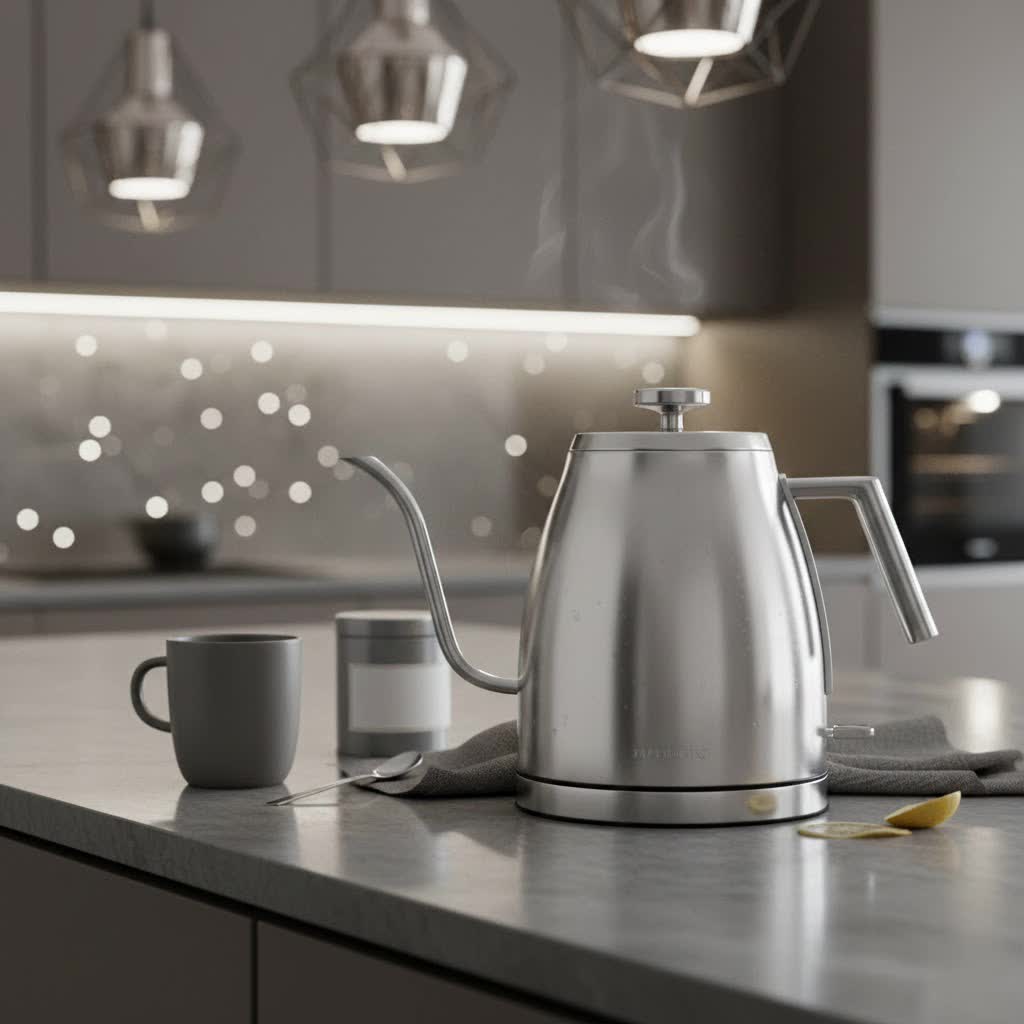
Stainless steel kettles are a timeless staple, known for their robust construction and classic, often polished or brushed, appearance. They integrate seamlessly into various kitchen styles, offering a professional and durable solution for boiling water.
Pros:
- Durability: Stainless steel is exceptionally resilient, resistant to dents, rust (especially high-grade varieties), and general wear and tear, promising a long lifespan.
- Heat Retention & Efficiency: Stainless steel typically retains heat better and boils water more quickly due to its superior heat conduction, potentially offering slight energy efficiency benefits for frequent use.
- Less Visible Stains: Its opaque nature means water spots, mineral buildup, or stains are less noticeable than on glass, requiring less frequent deep cleaning for aesthetic purposes.
- Multipurpose Use: Their strength makes them a good choice for more demanding tasks beyond just boiling water, such as heating milk or making instant soups, though it’s generally advised to only boil water in them.
Cons:
- Aesthetics: While sleek, stainless steel lacks the visual drama of watching water boil and may appear less modern to some users compared to glass.
- Potential for Metallic Taste: Lower-quality stainless steel alloys, particularly those not designated as food-grade (like 201 grade), can potentially leach trace amounts of metals like nickel or chromium, which might impart a subtle metallic taste to the water or pose health concerns for sensitive individuals. High-quality 304 or 18/8 stainless steel, however, is generally safe and inert.
- Opaque Interior: The inability to see inside can make it harder to monitor water levels or visually inspect for cleanliness.
- Weight: Can be slightly heavier than glass models, depending on the gauge of steel.
Health and Safety Considerations
When it comes to your health, the material of your electric kettle is a critical factor. Both glass and stainless steel are generally considered safe, but there are nuances to understand.
- Glass: Borosilicate glass is chemically neutral and won’t leach anything into your water, making it a top choice for purity. However, be mindful of any silicone seals used in the kettle’s construction, as some food-grade silicones might contain cadmium. While the amount leached is likely insignificant, those seeking absolute purity might prefer kettles with minimal or no silicone contact with water.
- Stainless Steel: High-quality 304 (18/8 or 18/10 chromium/nickel ratio) stainless steel is food-grade and highly resistant to rust and corrosion, ensuring water purity. Avoid cheaper alternatives like 430 stainless steel or any unknown alloys, which might be less resistant to rust and could potentially alter the water’s taste or leach small amounts of metals. Always ensure that plastic components within a stainless steel kettle, such as water level indicators or lid interiors, are minimal and made from BPA-free materials, as plastic can leach microplastics and other harmful chemicals when exposed to boiling water.
“The choice of electric kettle material goes beyond aesthetics; it’s a health decision. While glass offers unparalleled purity, and high-grade stainless steel provides robust safety, scrutinizing all components in contact with water – including seals and internal plastic parts – is essential for a truly non-toxic brewing experience.”
Performance Comparison
| Feature | Glass Kettles | Stainless Steel Kettles |
|---|---|---|
| Boil Time | Slightly longer due to slower heat transfer. | Faster due to efficient heat conduction. |
| Heat Retention | Cools down more quickly. | Retains heat longer, keeping water warm. |
| Energy Use | May consume slightly more energy over time. | Generally more energy-efficient for boiling. |
| Durability | More fragile, susceptible to cracks/chips. | Highly durable, resistant to dents and rust. |
| Aesthetics | Transparent, modern, often with LED lighting. | Opaque, sleek, classic, professional look. |
| Taste Purity | Chemically inert, no taste alteration. | High-grade is inert, lower grades may impart taste. |
| Cleaning | Visibility helps spot stains; prone to limescale. | Stains less visible; easier long-term maintenance. |
| Safety Concern | Potential for shattering; silicone seals. | Leaching from low-grade steel or internal plastics. |
| Cost | Can vary, some models are more affordable. | Generally affordable, premium models are higher. |
How to Choose the Best Electric Kettle for You
Making the final decision between a glass and a stainless steel electric kettle involves weighing your personal preferences, usage habits, and budget. Here’s a breakdown of factors to consider:
Capacity
The right capacity depends on your household size and frequency of use.
- Personal Use: A 1.0 to 1.2-liter kettle is usually sufficient for one or two people, or for occasional use.
- Family Use: For households of three or more, or if you frequently entertain, a 1.5 to 1.7-liter kettle will be more practical, allowing you to boil enough water for multiple servings.
Material
This is where the glass vs. stainless steel debate is most prominent.
- Glass: Choose borosilicate glass for its chemical neutrality and aesthetic appeal. Confirm that any plastic components, especially those in contact with water or steam, are BPA-free and minimal.
- Stainless Steel: Opt for high-quality 304 (18/8 or 18/10 food-grade) stainless steel to ensure durability and prevent any metallic taste or leaching. Verify that internal plastic parts are kept to a minimum and are certified BPA-free.
Wattage
A kettle’s wattage directly impacts its boiling speed.
- Boiling Speed: Kettles typically range from 1500W to 3000W. Higher wattage means faster boiling. For rapid boiling, especially during busy mornings, a kettle with 2000W or more is recommended.
- Energy Efficiency: While higher wattage boils faster, the actual energy consumption for a single boil is similar across different wattages. However, faster boiling means less time the element is active.
Features
Modern electric kettles come with an array of features that can enhance convenience and safety.
- Automatic Shut-Off: A standard safety feature that turns off the kettle once water reaches boiling point, preventing dry boiling.
- Temperature Control: Essential for brewing various types of tea (green, white, oolong) and coffee at their ideal temperatures, preserving delicate flavors.
- Keep Warm Function: Maintains water at a selected temperature for a certain period, convenient for multiple servings without re-boiling.
- Boil-Dry Protection: Automatically shuts off the kettle if it detects no water, protecting the heating element from damage.
- Concealed Heating Element: Located beneath the base, this design makes cleaning easier and reduces limescale buildup directly on the element.
- Water Level Indicator: Clearly visible markings help prevent overfilling or underfilling. For glass kettles, this is naturally visible; for stainless steel, look for external windows.
- Ergonomic Handle: A comfortable, heat-resistant handle (wood or cork are excellent choices) ensures safe and easy pouring.
Brand and Price
Reputable brands often offer better build quality, reliability, and customer support. While costs vary, you can find quality options in different price ranges.
- Trusted Brands: Research brands known for kitchen appliances and check user reviews for their specific kettle models.
- Price Range: Kettles can range from budget-friendly to high-end. Consider your long-term needs and the importance of features before settling on a price point. Sometimes, investing a bit more in a quality kettle can save you money and frustration in the long run.
Usage and Maintenance Tips for Your Electric Kettle
Proper usage and regular maintenance are key to prolonging the life of your electric kettle, regardless of whether it’s glass or stainless steel.
Proper Cleaning of Your Electric Kettle
- Regular Rinsing: After each use, rinse the kettle with warm water to remove any residual minerals.
- Gentle Cleaning: For glass kettles, use a soft sponge and a non-abrasive cleaner like baking soda to remove stains without scratching. For stainless steel, a soft cloth and mild soap are generally sufficient. Avoid abrasive sponges or steel wool, which can damage either material.
- Exterior Wipe Down: Regularly wipe the exterior with a damp cloth to keep it looking clean and polished.
Descaling Your Kettle
Limescale buildup from hard water is a common issue that can affect your kettle’s efficiency and lifespan.
- Vinegar Method: Fill the kettle with equal parts water and white vinegar. Boil the mixture, then let it sit for 15-20 minutes. Rinse thoroughly multiple times to eliminate the vinegar smell. Repeat if necessary for stubborn buildup.
- Citric Acid: A solution of water and citric acid powder can also be used. Boil and let sit, then rinse well.
- Commercial Descalers: Follow the instructions on specialized descaling products designed for kettles.
- Frequency: Descale monthly for heavy use or in hard water areas, and every 2-3 months for lighter use.
Extending Kettle Lifespan
- Avoid Boiling Dry: Always ensure there’s sufficient water in the kettle before turning it on, even with boil-dry protection, to prevent unnecessary stress on the heating element.
- Unplug When Not in Use: Unplugging the kettle when not in use is a good safety practice and can prevent accidental activation.
- Mind the Temperature: For glass kettles, avoid sudden extreme temperature changes, such as pouring cold water into a very hot kettle, to prevent thermal shock and cracking.
Common Issues and Troubleshooting
Even the most reliable electric kettles can encounter problems. Here are some common issues and how to address them:
-
Kettle Not Turning On:
- Check Power Source: Ensure the kettle is properly plugged into a functional outlet.
- Base Connection: Make sure the kettle is correctly seated on its power base.
- Internal Fuse/Circuit: If still no power, there might be an internal electrical issue, which often requires professional repair or replacement.
-
Water Taking Too Long to Boil:
- Limescale Buildup: A thick layer of limescale on the heating element can significantly reduce efficiency. Descale the kettle as described above.
- Wattage: If it’s a new kettle, check its wattage; lower wattage means slower boiling.
- Faulty Element: The heating element might be failing, requiring repair or replacement.
-
Kettle Leaking Water:
- Overfilling: Ensure you are not filling the kettle beyond the maximum fill line.
- Loose Seals/Components: Check if any parts, especially around the spout or lid, are loose or damaged.
- Cracks (Glass Kettles): Inspect glass kettles for hairline cracks, which can worsen with heat. A cracked glass kettle should be replaced.
- Manufacturer Defect: If the leak is persistent and not due to overfilling, it could be a manufacturing defect.
-
Water Has a Strange Smell or Taste:
- New Kettle Smell: New kettles, especially plastic parts, can sometimes have an initial “new” smell. Boil and discard water several times before first use.
- Plastic/Low-Grade Metal Leaching: If the smell or taste persists, especially metallic or plastic-like, it might indicate leaching from internal components. This is a significant health concern and the kettle should be replaced, prioritizing models with minimal plastic contact and high-grade materials.
- Limescale/Residue: Descale and thoroughly clean the kettle, as old water or mineral buildup can affect taste.
Where to Buy Electric Kettles
When you’re ready to purchase your ideal electric kettle, a variety of retailers offer extensive selections.
- Appliance and Department Stores: Major stores like Best Buy, Target, Walmart, and specialty kitchen stores offer a wide range of models, allowing you to see and feel the products before purchasing.
- Online Retailers: Websites such as Amazon, manufacturer’s direct sites, and other e-commerce platforms provide vast selections, competitive pricing, and user reviews. Be sure to check seller reputation and return policies.
- Home Goods Stores: Stores focusing on home decor and kitchenware often carry aesthetically pleasing and unique kettle designs.
Important Considerations When Buying Online:
- Read Reviews: Pay close attention to customer reviews regarding durability, taste, and any reported issues with plastic components.
- Check Specifications: Verify the material, wattage, capacity, and specific features to ensure it meets your requirements.
- Return Policy: Understand the seller’s return policy in case the kettle doesn’t meet your expectations.
Conclusion
The decision between a glass and a stainless steel electric kettle ultimately boils down to a balance of your priorities. If you value the pure, unadulterated taste of water, a visually striking design, and the ability to easily monitor internal cleanliness, a high-quality borosilicate glass electric kettle is likely your best bet, provided you handle its delicate nature with care. On the other hand, if you prioritize rugged durability, superior heat retention, and a timeless, robust aesthetic, a food-grade 304 stainless steel electric kettle will be a reliable and long-lasting addition to your kitchen.
Remember to always consider the internal components, ensuring minimal plastic contact with water and verifying the grade of stainless steel for optimal health and safety. By weighing these factors, you can confidently select an electric kettle that not only serves its primary purpose efficiently but also enhances your daily routine and aligns with your commitment to a healthy home.
What qualities do you value most in your everyday kitchen appliances?
Frequently Asked Questions
Is it better to boil water in glass or stainless steel?
Generally, high-quality stainless steel can boil water faster due to better heat conduction and retain heat longer. However, glass is chemically inert and ensures the purest taste, making both safe and excellent choices depending on individual priorities for speed versus absolute taste neutrality.
Do stainless steel kettles leach metal into your water?
High-quality, food-grade stainless steel kettles (such as 304 or 18/8 grade) are designed not to leach metals under normal use and are considered safe. However, cheaper or lower-grade stainless steel could potentially release trace amounts of nickel or chromium, which is why checking the material grade is important.
Are glass electric kettles safe for health?
Yes, glass electric kettles made from heat-resistant materials like borosilicate glass are considered very safe for health. They do not rust or oxidize, ensuring a clean and healthy boiling experience. Concerns primarily relate to the durability of glass and the grade of silicone used in seals.
Which kettle lasts longer, glass or stainless steel?
Stainless steel kettles typically last longer due to their inherent durability and resistance to breakage, dents, and cracks. While modern borosilicate glass is robust, it remains more susceptible to damage from drops or impacts compared to stainless steel.
Can I boil milk or other liquids in an electric kettle?
Electric kettles are primarily designed for boiling water. Boiling milk or other liquids can cause residue buildup, damage the heating element, and is generally not recommended unless the manufacturer explicitly states the kettle is multi-purpose and safe for such use. For these tasks, a stovetop pot is usually a better option.