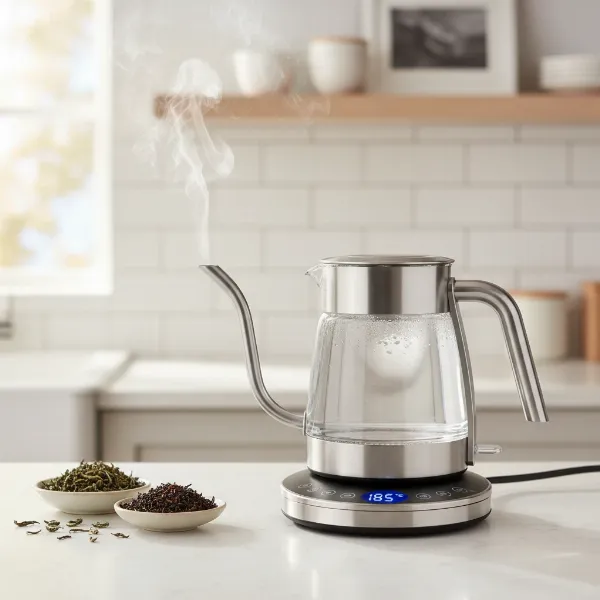
Few kitchen appliances are as indispensable as the electric kettle, providing hot water on demand for everything from morning tea to quick-cooking meals. Yet, over time, a white, chalky residue can build up inside, diminishing its efficiency and affecting the taste of your beverages. This stubborn visitor, known as limescale, is a common nuisance for anyone living in hard water areas. But don’t fret; reclaiming your kettle’s pristine condition is simpler than you think, using natural, eco-friendly ingredients readily available in most homes: vinegar and lemon.
The Unseen Culprit: Understanding Limescale and Its Impact
Limescale is primarily composed of calcium carbonate, a mineral left behind when hard water evaporates after boiling. While harmless to consume, this mineral buildup can cause several unwelcome issues. Firstly, it forms an insulating layer on the heating element, forcing your electric kettle to work harder and longer to boil water, thus consuming more energy. This not only increases electricity bills but also speeds up wear and tear on the appliance. Secondly, limescale particles can flake off into your hot water, resulting in an unpleasant gritty texture or a cloudy appearance in your drinks. Regular descaling is crucial for maintaining your kettle’s efficiency, prolonging its lifespan, and ensuring every cup of tea or coffee tastes as it should.
Choosing Your Natural Descaler: Vinegar vs. Lemon
Both white vinegar and lemon juice (or citric acid) are highly effective natural descaling agents due to their acidic properties. They react with the alkaline mineral deposits, breaking them down into easily rinsable substances.
White Vinegar: A kitchen staple, white vinegar is a powerful yet gentle acid for descaling. Its primary advantage is its accessibility and low cost. However, it does possess a strong, distinct odor that can linger if not thoroughly rinsed.
Lemon Juice/Citric Acid: Lemon juice offers a fresher, more pleasant aroma compared to vinegar. It’s a great alternative for those sensitive to vinegar’s smell. Powdered citric acid, a concentrated form found in baking aisles or online, is another excellent option, often proving even more potent than fresh lemon juice for tougher scale.
Step-by-Step Guide: Descaling Your Electric Kettle with White Vinegar
Descaling with white vinegar is a straightforward process that yields impressive results.
What You’ll Need:
- White distilled vinegar
- Water
- A soft cloth or sponge (optional, for stubborn spots)
Procedure:
- Prepare the Solution: Empty your electric kettle completely. For a standard 1-liter kettle, mix 1 part white vinegar with 3 parts water. For example, if your kettle is 1.5 liters, you might use about 1/2 cup of vinegar and 1.5 cups of water. Adjust the volume to ensure the solution covers the limescale buildup, but do not exceed the kettle’s maximum fill line.
- Boil and Soak: Bring the vinegar and water mixture to a boil. Once it reaches a rolling boil, turn off the kettle.
- Let It Sit: Allow the solution to sit in the kettle for at least 20 minutes. For heavy limescale, you can let it stand for several hours or even overnight to allow the acid more time to dissolve the deposits.
- Drain and Inspect: Carefully pour out the vinegar solution. You should notice a significant reduction or complete disappearance of the limescale.
- Rinse Thoroughly: This is a crucial step to eliminate any lingering vinegar taste or smell. Fill the kettle with fresh, clean water, bring it to a boil, then discard the water. Repeat this rinsing boil-and-discard process at least twice, or until the water tastes clean and odor-free.
- Wipe Down (Optional): If any stubborn spots remain, gently wipe the interior with a soft cloth or sponge. Never use abrasive scrubbers that could scratch the kettle’s surface.
Step-by-Step Guide: Descaling Your Electric Kettle with Lemon or Citric Acid
For a fresh-smelling alternative, lemon juice or citric acid works wonders.
What You’ll Need:
- 1-2 fresh lemons, or 2 tablespoons of bottled lemon juice, or 1-2 teaspoons of powdered citric acid
- Water
- A soft cloth or sponge (optional)
Procedure:
- Prepare the Solution: Empty your electric kettle. If using fresh lemons, slice them and place them in the kettle. If using bottled lemon juice, add about 2 tablespoons. If opting for powdered citric acid, add 1 to 2 teaspoons.
- Fill with Water: Fill the kettle with water up to the maximum fill line, ensuring the lemon slices or solution are submerged.
- Boil and Soak: Bring the water and lemon/citric acid mixture to a boil. Once boiled, switch off the kettle.
- Let It Sit: Allow the solution to sit for at least 30 minutes. For very heavy limescale, let it soak for an hour or more.
- Drain and Inspect: Pour out the lemony solution. Most of the limescale should have dissolved.
- Rinse Thoroughly: Fill the kettle with fresh water, bring it to a boil, then discard the water. Repeat this rinse cycle once or twice until there’s no residual lemon taste or smell.
- Wipe Down (Optional): For any remaining stubborn scale, use a soft cloth or sponge to gently wipe the inside of the kettle.
Maintain Peak Performance: How Often Should You Descale?
The frequency of descaling largely depends on two factors: the hardness of your local water supply and how often you use your electric kettle.
If you live in an area with very hard water and use your kettle multiple times a day, you might need to descale it as often as once a week or every two weeks. For moderate to soft water areas and less frequent use (a few times a week), descaling once a month or every other month may suffice. The best indicator is a visual check: if you see a noticeable white or grayish buildup on the bottom or sides of your kettle, it’s time for a descaling session. Regular maintenance prevents heavy buildup, making each cleaning quicker and more effective.
Beyond Descaling: Essential Kettle Care Tips
While descaling tackles the internal mineral buildup, a few other habits can help maintain your electric kettle:
- Empty After Use: Avoid leaving stagnant water in your kettle, as this can encourage limescale formation.
- Wipe Exterior: Regularly wipe the outside of your kettle with a damp cloth to keep it clean and free from spills or dust.
- Check Filters: Many kettles have a removable filter at the spout. Clean this regularly to prevent blockages and ensure smooth pouring.
Troubleshooting Common Descaling Questions
It’s natural to have questions when it comes to maintaining your appliances. Here are some common queries about descaling your electric kettle:
Is limescale harmful to my health?
|
Our Picks for the Best Electric kettle in 2026
As an Amazon Associate I earn from qualifying purchases.
|
||
| Num | Product | Action |
|---|---|---|
| 1 | Cuisinart PerfecTemp 1.7-Liter Electric Kettle, Cordless Electric Tea Kettle, 1500W for Fast Heat-Up, 6 Preset Temperatures, 30-Minute Keep Warm, Stay Cool Nonslip Handle, CPK-17P1 |

|
| 2 | OVENTE Electric Kettle, 1.5L Borosilicate Glass Countertop Water Heater and Boiler for Coffee or Tea, BPA-Free, Auto Shut-Off, Boil-Dry Protection, Removable and Washable Spout Filter, Black KG83B |
|
| 3 | Amazon Basics Electric Kettle with Glass Carafe for Tea and Coffee, Fast Boiling, Auto Shut-Off, Boil-Dry Protection, Temperature Control, Removable Filter, 1 Liter, 1500W, BPA-Free |
|
| 4 | Cosori Electric Kettle, No Plastic Contact With Water, Wide Mouth For Easy Cleaning, Auto Shut Off, 1.7L Tea Kettle & Hot Water Boiler, Water Heater & Teapot, Borosilicate Glass, Black, 1500W |
|
| 5 | Chefman Electric Kettle with Temperature Control, 5 Presets LED Indicator Lights, Removable Tea Infuser, Glass Tea Kettle & Hot Water Boiler, 360° Swivel Base, BPA Free, Stainless Steel, 1.8 Liters |
|
| 6 | Chefman Electric Kettle, 1.8L 1500W, Hot Water Boiler, Removable Lid for Easy Cleaning, Auto Shut Off, Boil-Dry Protection, Stainless Steel Filter, BPA Free, Borosilicate Glass Electric Tea Kettle |
|
| 7 | Chefman Electric Kettle with Tea Infuser, Compact 1L (4 Cups), 1500W, Removable Lid for Easy Cleaning, Boil-Dry Protection, Stainless Steel Filter, BPA Free, Auto Shut Off, Small Electric Tea Kettle |
|
| 8 | Mueller Rapid Boil Electric Tea Kettle 1.8L – Borosilicate Glass & Stainless Steel – BPA-Free Hot Water Boiler, LED Light, Auto Shut-Off, Boil Dry Protection Fast Water Heater – Kitchen Appliances |
|
| 9 | Amazon Basics Electric Stainless Steel Kettle for Tea and Coffee, BPA-Free, Fast Boiling, Auto Shut-Off, 1 Liter, 1500W, Black and Silver |
|
| 10 | OVENTE Electric Kettle, 1.7L Fast Boiling Water Heater for Coffee or Tea, BPA Free with Water Level Gauge, Auto Shut-Off, Boil-Dry Protection, Indicator Light and Removable Filter, White KP72W |
|
No, limescale is not harmful to your health. It’s simply a buildup of minerals like calcium and magnesium, which are naturally present in hard water. While not dangerous, it can affect the taste of your water and the efficiency of your kettle.
What if the limescale doesn’t completely disappear after one treatment?
For very heavy or old limescale buildup, a single descaling treatment may not be enough. You can repeat the process, possibly increasing the concentration of vinegar or lemon juice slightly, or allowing the solution to soak for a longer duration. A gentle scrub with a soft, non-abrasive sponge can also help dislodge stubborn remnants after soaking.
Can I use other types of acid to descale my kettle?
While other acids like citric acid (which is in lemon juice) are effective, it’s generally best to stick to distilled white vinegar or natural lemon juice. These are food-safe and readily available. Avoid using harsh chemical descalers unless specifically recommended by your kettle’s manufacturer, as they can be abrasive or leave residues.
Will descaling damage my electric kettle?
No, descaling with diluted white vinegar or lemon juice is a safe and effective method when done correctly. The mild acidity is designed to break down mineral buildup without harming the kettle’s internal components or finish. Always refer to your kettle’s owner’s manual for specific care and cleaning tips.
Conclusion
A clean, descaled electric kettle is more than just aesthetically pleasing; it’s a testament to efficient operation and better-tasting hot beverages. By regularly employing the simple, natural power of vinegar or lemon, you can effortlessly combat limescale, extending your appliance’s life and ensuring every boil is as quick and clean as the first. Make routine descaling a mindful part of your kitchen maintenance, and you’ll always have perfectly pure water ready at your fingertips. How often do you find yourself needing to descale your electric kettle?