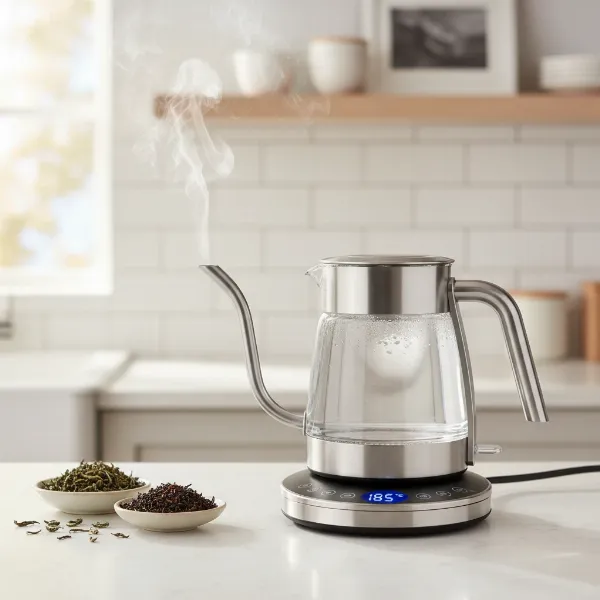
The kitchen, a place of culinary creation and comforting aromas, often harbors hidden dangers, with steam burns being a particularly insidious threat. That innocent puff of vapor rising from a boiling pot can be far more damaging than many realize. As an experienced technician with a decade immersed in kitchen appliances, particularly electric kettles, I’ve witnessed firsthand the consequences of underestimating these invisible hazards. This guide will arm you with the knowledge and techniques to confidently and safely pour hot liquids, transforming a routine kitchen task into a secure and burn-free experience.
The Underestimated Danger of Steam Burns
Steam burns are a subcategory of scald burns, yet they often carry a unique danger. While boiling water typically reaches 212°F (100°C), steam can achieve temperatures equal to or even higher than this, depending on factors like pressure or dissolved solutes. The key difference lies in latent heat; steam carries significantly more energy than liquid water at the same temperature. When steam condenses on your skin, it releases this massive amount of latent heat, causing rapid and severe tissue damage. Common household scenarios, such as lifting the lid off a simmering pot, draining pasta, or pouring from a recently boiled electric kettle, are prime opportunities for these painful injuries.
Essential Gear and Kitchen Setup for Safe Pouring
Minimizing the risk of steam burns begins before you even touch a hot pot. A well-prepared environment and the right protective gear are your first lines of defense.
Protective Wear: Your Hands’ Best Friends
Always prioritize protecting your hands and forearms, as they are most vulnerable to rising steam.
- Oven Mitts or Heat-Resistant Gloves: These are indispensable. Ensure they are clean, dry, and offer sufficient coverage, extending beyond your wrist. Use them whenever you anticipate handling a hot vessel or when your hands might be close to rising steam, such as when operating a pressure cooker.
- Long Sleeves (Optional but Recommended): While not always practical, wearing long sleeves made of a non-flammable material can offer an additional layer of protection for your forearms against incidental steam exposure.
|
Our Picks for the Best Electric kettle in 2026
As an Amazon Associate I earn from qualifying purchases.
|
||
| Num | Product | Action |
|---|---|---|
| 1 | Amazon Basics Electric Kettle with Glass Carafe for Tea and Coffee, Fast Boiling, Auto Shut-Off, Boil-Dry Protection, Temperature Control, Removable Filter, 1 Liter, 1500W, BPA-Free |

|
| 2 | Amazon Basics Electric Stainless Steel Kettle for Tea and Coffee, BPA-Free, Fast Boiling, Auto Shut-Off, 1 Liter, 1500W, Black and Silver |
|
| 3 | Chefman Electric Kettle with Temperature Control, 5 Presets LED Indicator Lights, Removable Tea Infuser, Glass Tea Kettle & Hot Water Boiler, 360° Swivel Base, BPA Free, Stainless Steel, 1.8 Liters |
|
| 4 | Chefman Electric Kettle, 1.8L 1500W, Hot Water Boiler, Removable Lid for Easy Cleaning, Auto Shut Off, Boil-Dry Protection, Stainless Steel Filter, BPA Free, Borosilicate Glass Electric Tea Kettle |
|
| 5 | Cuisinart PerfecTemp 1.7-Liter Electric Kettle, Cordless Electric Tea Kettle, 1500W for Fast Heat-Up, 6 Preset Temperatures, 30-Minute Keep Warm, Stay Cool Nonslip Handle, CPK-17P1 |
|
| 6 | OVENTE Electric Kettle, 1.5L Borosilicate Glass Countertop Water Heater and Boiler for Coffee or Tea, BPA-Free, Auto Shut-Off, Boil-Dry Protection, Removable and Washable Spout Filter, Black KG83B |
|
| 7 | Mueller Rapid Boil Electric Tea Kettle 1.8L – Borosilicate Glass & Stainless Steel – BPA-Free Hot Water Boiler, LED Light, Auto Shut-Off, Boil Dry Protection Fast Water Heater – Kitchen Appliances |
|
| 8 | Chefman Electric Kettle with Tea Infuser, Compact 1L (4 Cups), 1500W, Removable Lid for Easy Cleaning, Boil-Dry Protection, Stainless Steel Filter, BPA Free, Auto Shut Off, Small Electric Tea Kettle |
|
| 9 | Cosori Electric Kettle, No Plastic Contact With Water, Wide Mouth For Easy Cleaning, Auto Shut Off, 1.7L Tea Kettle & Hot Water Boiler, Water Heater & Teapot, Borosilicate Glass, Black, 1500W |
|
| 10 | OVENTE Electric Kettle, 1.7L Fast Boiling Water Heater for Coffee or Tea, BPA Free with Water Level Gauge, Auto Shut-Off, Boil-Dry Protection, Indicator Light and Removable Filter, White KP72W |
|
Stable Environment: A Solid Foundation for Safety
A stable workspace is crucial to prevent spills and splashes, which can quickly turn into scalds.
- Even and Non-Slip Surfaces: Always place your pouring and receiving containers on a flat, stable, and non-slip surface. A Dycem mat or a damp towel underneath your receiving cup can prevent it from sliding.
- Back Burners: Whenever possible, boil water or heat liquids on the back burners of your stove. This keeps hot items further from the edge, reducing the risk of accidental bumps or curious hands reaching for them.
- Inward-Facing Handles: Turn pot and pan handles inward on the stovetop. This simple habit prevents them from being snagged or knocked over, sending hot contents flying.
- Catching Spills: Position the receiving cup or vessel inside a larger tray with a lip, or a shallow bowl. This containment strategy means that if a spill or overflow occurs, the hot liquid is safely caught, minimizing mess and burn risk.
Mastering the Pour: Techniques to Minimize Steam Exposure
The act of pouring hot liquids requires a deliberate and controlled approach to mitigate the inherent risks. By refining your technique, you can significantly reduce your exposure to scalding steam.
Slow and Steady Wins the Race
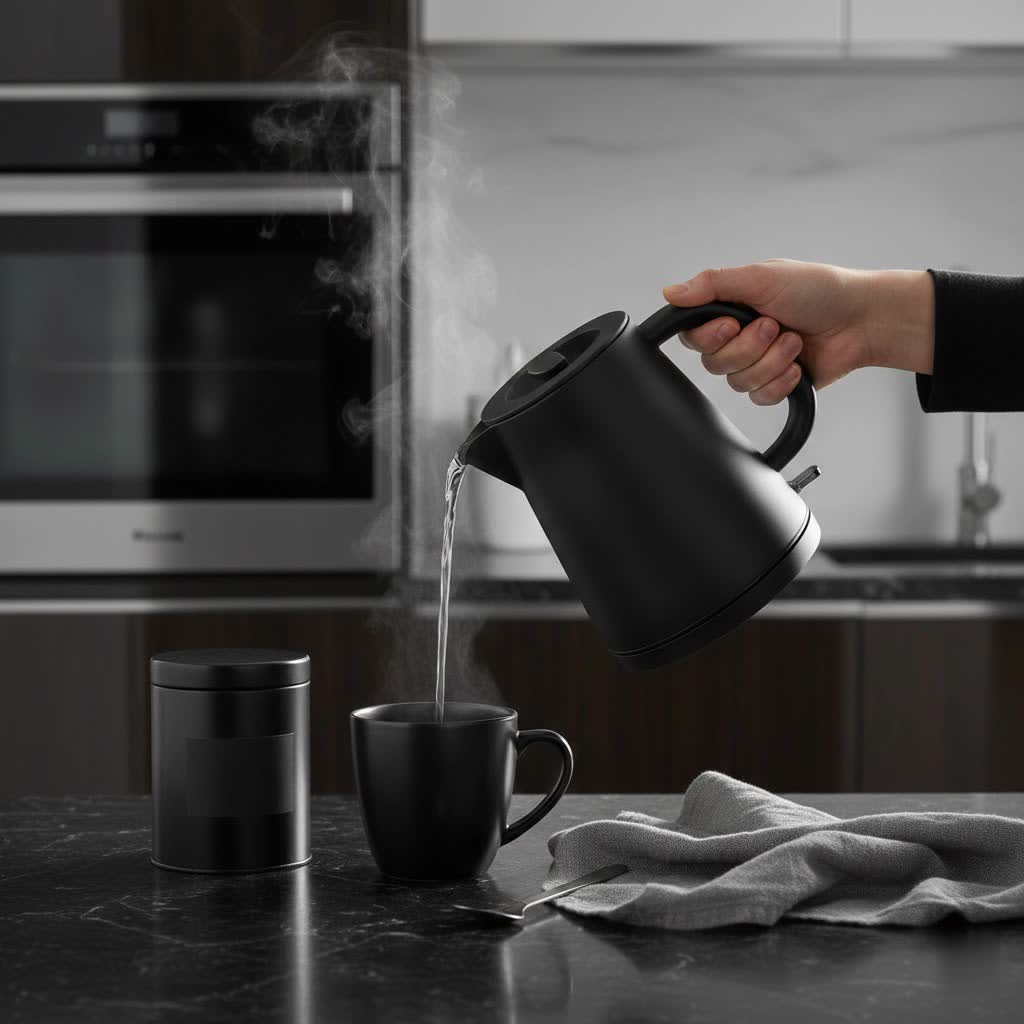
When pouring, especially from an electric kettle or a pot of boiling water, speed is not your ally. A slow, consistent pour is key. Rapid tipping can create a sudden, dense plume of steam as a large volume of hot liquid hits the cooler receiving vessel. By pouring slowly, you allow the steam to dissipate more gradually, reducing the intensity and directness of the vapor stream. This controlled movement also minimizes splashing and accidental overfilling.
Angle and Distance: Your Strategic Advantage
Consider the angle of your pouring vessel and your body position.
- Tilting Technique: Instead of pouring directly into the center of the receiving container, begin by tilting the vessel slightly and aiming the stream of hot liquid down the inner side wall. This technique, particularly effective with glass, helps to distribute heat more evenly and reduces thermal shock, which can prevent cracking. It also directs steam away from your hands and face.
- Maintain Distance: Keep your hands and face as far away from the rising steam as possible. As you pour, naturally lean back slightly, allowing the steam to rise and dissipate safely into the air without directly contacting your skin. If pouring into a sink, pour slowly and to one side if possible to keep hands out of the direct steam path.
Container Placement: Lip-to-Rim Connection
For optimal control and to minimize drips and potential splashes, ensure the spout or lip of the pouring container is as close as possible, or even gently touching, the rim of the receiving container. This direct contact guides the liquid precisely, reducing air exposure that can create turbulence and steam. Avoid holding the receiving cup in mid-air while pouring hot liquids, as this increases the risk of spilling onto your hands.
Avoiding Overfilling: Leave Some Room
It’s easy to get distracted and overfill a cup or pot, leading to spills or making it difficult to handle without sloshing. Always leave adequate headspace in the receiving container. This not only prevents overflows but also allows space for steam to escape without immediate contact with the rim or your hands.
Dispersing Steam: A Gentle Breath
In situations where steam is particularly persistent, a gentle breath directed across the rising steam can help to disperse it and introduce cooler ambient air. This technique, while seemingly minor, can create enough of a clear path to prevent minor burns on exposed skin when performed carefully alongside other safety measures. However, use this with caution and ensure you don’t inhale the hot steam directly.
Advanced Tips for Specific Pouring Scenarios
Beyond basic techniques, certain scenarios and tools can enhance pouring safety.
Utilizing Spouts and Funnels
- Integrated Spouts: Many modern electric kettles, teapots, and saucepans are designed with specific pour spouts that offer excellent control and reduce dribbling. These features are invaluable for precision pouring and directing steam away from your hands.
- Funnels: For pouring into containers with small openings, a funnel is indispensable. It eliminates the need for extreme precision and significantly reduces the risk of spills and associated steam exposure. Ensure the funnel is heat-resistant.
Preheating Receiving Vessels
When pouring very hot liquids into glass vessels, such as teapots or coffee carafes, preheating the vessel with warm tap water can prevent thermal shock. Glass can crack or shatter if subjected to a sudden, drastic change in temperature. After preheating, discard the warm water and dry the vessel before pouring in your boiling liquid.
Uncovering Safely
When lifting the lid from a hot pot, always lift the lid away from you, allowing the steam to escape in the opposite direction. Stand back as you do this. This simple action prevents a direct blast of superheated steam to your face and hands.
Quick Reference: Do’s and Don’ts of Pouring Hot Liquids
Making safety a habit in the kitchen involves remembering these core principles.
Do:
- Do wear heat-resistant gloves or oven mitts.
- Do pour slowly and steadily.
- Do maintain a safe distance between your body and rising steam.
- Do ensure your workspace is stable and free of clutter.
- Do aim liquids down the side of the receiving container.
- Do use appropriate tools like funnels or kettles with good spouts.
- Do assume all hot kitchenware can cause burns.
Don’t:
- Don’t rush when handling hot liquids.
- Don’t overfill cups or pots.
- Don’t hold receiving containers in the air while pouring.
- Don’t disregard the power of steam – it can burn as severely as hot water.
- Don’t pour directly into the center of a cold glass container.
What to Do if a Steam Burn Occurs
Even with the best precautions, accidents can happen. If you or someone you know sustains a steam burn, act quickly:
- Cool the Burn: Immediately run the affected area under cool (not cold) running water for at least 10-20 minutes. Do not use ice, as it can cause further tissue damage.
- Clean Gently: After cooling, gently wash the area with mild soap and tepid water.
- Cover Loosely: Cover the burn with a sterile, non-stick dressing or clean cling film.
- Call for Help: For severe burns (larger than your palm, deep, blistering, or on sensitive areas like the face or joints), seek immediate medical attention.
Conclusion
Pouring hot liquids safely in the kitchen doesn’t require a complete overhaul of your routine, but rather a mindful approach and the adoption of a few critical techniques. Understanding the true danger of steam and implementing simple protective measures—from wearing the right gear to mastering your pouring angle—can make all the difference. By making these practices habitual, you create a safer kitchen environment for yourself and your loved ones, transforming a potentially hazardous task into one performed with confidence and ease. Remember, a moment of caution can prevent a lifetime of pain.
What simple safety tip has made the biggest difference in your kitchen?
Frequently Asked Questions
How hot is steam compared to boiling water?
While boiling water is typically 212°F (100°C), steam can be at the same temperature or even hotter, especially under pressure. The key difference is that steam contains significantly more latent heat energy, meaning it can transfer more heat to your skin upon condensation, causing more severe burns than direct contact with boiling water at the same temperature.
Can I use a regular towel instead of oven mitts for protection?
While a dry, thick towel can offer some temporary protection against heat, it is generally less effective and secure than properly fitting oven mitts or heat-resistant gloves. Towels can slip, absorb heat more quickly, and may not provide sufficient coverage. For optimal safety, always opt for purpose-designed protective gear.
Why should I pour hot liquids slowly?
Pouring slowly minimizes the sudden release of a large volume of steam, allowing it to dissipate more gradually. A fast pour can create a concentrated plume of superheated steam, increasing the risk of direct contact with your hands and face. It also provides better control, reducing the chance of spills or splashes.
What are the most common mistakes people make when pouring hot liquids?
Common mistakes include rushing the pour, underestimating the danger of steam, failing to use protective gear, holding receiving containers in mid-air, and not ensuring a stable pouring surface. Overfilling vessels and lifting pot lids directly towards oneself are also frequent missteps that lead to burns.