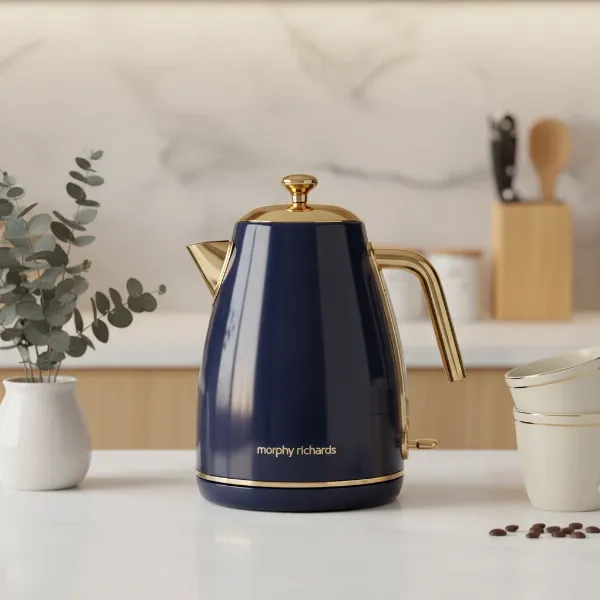
In kitchens around the globe, the quest for a perfectly boiled cup of water is a daily ritual. Whether it’s for your morning coffee, a soothing evening tea, or preparing quick meals, boiling water is a fundamental task. But in the age-old debate between the traditional stovetop kettle and its modern electric counterpart, which method truly reigns supreme when it comes to speed and efficiency? This comprehensive guide delves into their differences, helping you make an informed choice for your home.
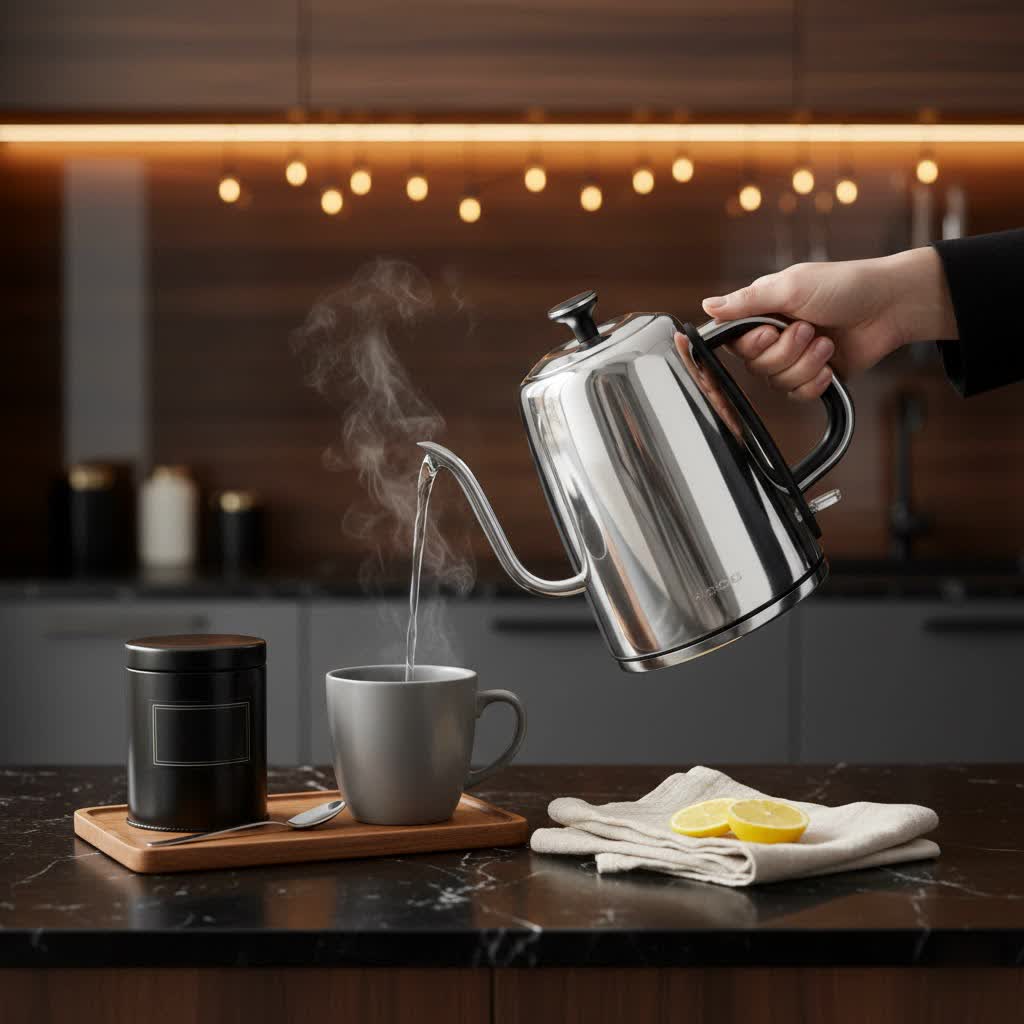
The Evolution of Kettles: A Brief History
The concept of a vessel for heating water is ancient, with early forms dating back to the Bronze Age around 3500 BC. These rudimentary kettles, often crafted from iron or copper, were simple pots placed over an open flame. For millennia, the basic design—an open lid, a handle, and a spout—remained largely unchanged, serving countless generations with heated water.
The major revolution arrived in the late 19th century with the advent of electricity. Early electric kettles in the 1890s were cumbersome, often taking up to twelve minutes to boil water. However, by the 1920s, the integration of a submersible electric heating element by companies like Swan transformed the appliance. As electricity became more widespread, the electric kettle emerged as a symbol of modern convenience, fundamentally altering how we boil water at home.
Understanding the Mechanics: How Each Kettle Works
The core function of both kettle types is identical: to heat water to its boiling point. However, the underlying technology and heat transfer methods differ significantly, impacting their performance.
Electric Kettles: Direct and Rapid Heat
|
Our Picks for the Best Electric kettle in 2026
As an Amazon Associate I earn from qualifying purchases.
|
||
| Num | Product | Action |
|---|---|---|
| 1 | Amazon Basics Electric Stainless Steel Kettle for Tea and Coffee, BPA-Free, Fast Boiling, Auto Shut-Off, 1 Liter, 1500W, Black and Silver |

|
| 2 | OVENTE Electric Kettle, 1.7L Fast Boiling Water Heater for Coffee or Tea, BPA Free with Water Level Gauge, Auto Shut-Off, Boil-Dry Protection, Indicator Light and Removable Filter, White KP72W |
|
| 3 | Cosori Electric Kettle, No Plastic Contact With Water, Wide Mouth For Easy Cleaning, Auto Shut Off, 1.7L Tea Kettle & Hot Water Boiler, Water Heater & Teapot, Borosilicate Glass, Black, 1500W |
|
| 4 | OVENTE Electric Kettle, 1.5L Borosilicate Glass Countertop Water Heater and Boiler for Coffee or Tea, BPA-Free, Auto Shut-Off, Boil-Dry Protection, Removable and Washable Spout Filter, Black KG83B |
|
| 5 | Cuisinart PerfecTemp 1.7-Liter Electric Kettle, Cordless Electric Tea Kettle, 1500W for Fast Heat-Up, 6 Preset Temperatures, 30-Minute Keep Warm, Stay Cool Nonslip Handle, CPK-17P1 |
|
| 6 | Chefman Electric Kettle with Tea Infuser, Compact 1L (4 Cups), 1500W, Removable Lid for Easy Cleaning, Boil-Dry Protection, Stainless Steel Filter, BPA Free, Auto Shut Off, Small Electric Tea Kettle |
|
| 7 | Chefman Electric Kettle, 1.8L 1500W, Hot Water Boiler, Removable Lid for Easy Cleaning, Auto Shut Off, Boil-Dry Protection, Stainless Steel Filter, BPA Free, Borosilicate Glass Electric Tea Kettle |
|
| 8 | Amazon Basics Electric Kettle with Glass Carafe for Tea and Coffee, Fast Boiling, Auto Shut-Off, Boil-Dry Protection, Temperature Control, Removable Filter, 1 Liter, 1500W, BPA-Free |
|
| 9 | Chefman Electric Kettle with Temperature Control, 5 Presets LED Indicator Lights, Removable Tea Infuser, Glass Tea Kettle & Hot Water Boiler, 360° Swivel Base, BPA Free, Stainless Steel, 1.8 Liters |
|
| 10 | Mueller Rapid Boil Electric Tea Kettle 1.8L – Borosilicate Glass & Stainless Steel – BPA-Free Hot Water Boiler, LED Light, Auto Shut-Off, Boil Dry Protection Fast Water Heater – Kitchen Appliances |
|
An electric kettle is a self-contained unit featuring a built-in heating element, typically a coil or a flat plate, located at its base. When plugged into an electrical outlet and switched on, electricity flows through this element, converting electrical energy directly into heat. This heat is then transferred immediately and efficiently into the water resting above it. An internal thermostat continuously monitors the water’s temperature, automatically shutting off the kettle once boiling point is reached, preventing over-boiling and dry-boiling.
Stovetop Kettles: Indirect and Traditional Heat
Stovetop kettles, conversely, rely on an external heat source, such as a gas or electric hob. The kettle is placed directly onto the burner, and heat from the flame or electric element is conducted through the kettle’s base and walls to the water inside. As the water heats and boils, the steam generated creates pressure, eventually forcing it through a whistle mechanism in the spout, signaling that the water is ready. This method is characterized by indirect heat transfer, as the heat must first warm the kettle’s material before reaching the water.
Speed Battle: Which Boils Water Faster?
When pitting electric and stovetop kettles against each other in a race to boil water, the electric kettle is almost always the clear winner. Most electric kettles can bring a liter of water to a boil in approximately 2 to 5 minutes. In contrast, a stovetop kettle typically takes 5 to 10 minutes to boil the same amount of water, with times varying based on the stove and kettle.
The primary reason for this speed difference lies in the method of heat transfer. Electric kettles employ direct heat transfer, meaning the heating element is either submerged in the water or directly in contact with the kettle’s base, ensuring minimal heat loss. The energy is focused almost entirely on heating the water.
Stovetop kettles, on the other hand, suffer from indirect heat transfer. A significant amount of thermal energy from the stove’s burner is lost to the surrounding air and the stovetop itself before it can effectively heat the kettle’s material and then the water inside. Factors like the type of stove (gas, electric coil, induction), the intensity of the flame or element, and the material of the stovetop kettle (stainless steel, copper, cast iron) can all influence boiling time, but generally, they cannot match the focused efficiency of an electric kettle.
Beyond Speed: A Deep Dive into Efficiency
While speed is a key consideration, energy efficiency is equally important for both your utility bills and the environment.
Electric Kettles: Optimizing Energy Use
Electric kettles are generally more energy-efficient, often operating at around 80% efficiency. Their rapid boiling times mean less overall energy is consumed for each use. Furthermore, modern electric kettles are designed with good insulation to minimize heat loss to the ambient air. The automatic shut-off feature is a crucial energy-saving component, ensuring the kettle stops drawing power as soon as the water reaches its boiling point, preventing unnecessary energy consumption. Many models also offer variable temperature control, allowing users to heat water only to the desired temperature, which further reduces energy waste for specific beverages that don’t require a full boil.
Stovetop Kettles: The Challenge of Heat Loss
Stovetop kettles are inherently less energy-efficient, often around 70% efficient when considering the energy output of the stove. The indirect heating method leads to considerable heat dissipation into the kitchen environment. With a gas stove, heat radiates outwards from the flame, and even with electric hobs, a portion of the heat is lost to the surrounding air and the stovetop surface before it can effectively transfer to the kettle. Unlike electric kettles, stovetop models lack an automatic shut-off. This means they will continue to boil and consume energy until manually removed from the heat source, potentially leading to wasted energy if left unattended.
Convenience, Safety, and Design: A Holistic View
Choosing between kettles involves more than just speed and efficiency; convenience, safety features, and aesthetic appeal also play significant roles.
Convenience & Usability
- Electric Kettles: Modern electric kettles are built for ultimate convenience. Their automatic shut-off and boil-dry protection features mean you can set them and walk away without worry. Many models offer precise temperature control, perfect for brewing specific types of tea or coffee that require water at varying temperatures. They are also highly portable, requiring only a power outlet, making them suitable for offices, dorms, or even some travel scenarios.
- Stovetop Kettles: The traditional stovetop kettle offers a hands-on, nostalgic experience. Many users enjoy the ritual of placing it on the stove and hearing its distinctive whistle. Its simplicity means there are no electrical components to worry about, making it a reliable choice during power outages or for outdoor use with a portable heat source.
Safety Features
- Electric Kettles: Safety is a paramount design consideration for electric kettles. The automatic shut-off feature prevents over-boiling and dry-boiling, significantly reducing fire hazards and appliance damage. Many newer models also boast cool-touch exteriors, making them safer to handle, especially in households with children.
- Stovetop Kettles: Stovetop kettles demand more vigilance. Forgetting to turn off the stove can lead to continuous boiling, potential dry-boiling, and fire risks. Their handles and bodies can become extremely hot, requiring oven mitts or careful handling to prevent burns from both the hot surface and escaping steam.
Aesthetic & Design
- Electric Kettles: Electric kettles often feature sleek, modern designs that fit seamlessly into contemporary kitchens. Available in a wide range of materials like stainless steel, glass, and various plastics, they offer compact and cordless options that enhance kitchen aesthetics and functionality.
- Stovetop Kettles: Stovetop kettles evoke a classic, rustic charm. Often made from durable materials like polished stainless steel or enameled cast iron, they can serve as an elegant centerpiece on a range cooker. The iconic whistling mechanism adds a traditional touch that many find appealing.
Factors Influencing Boiling Speed (Overall)
Beyond the fundamental differences in heating methods, several other factors contribute to how quickly water boils in any kettle:
- Volume of Water: Naturally, less water boils faster than a full kettle. Always fill only the amount you need.
- Initial Water Temperature: Water starting at a higher temperature (e.g., warmer tap water) will reach boiling point more quickly than colder water.
- Wattage/Heat Source Intensity: For electric kettles, higher wattage generally translates to faster boiling. For stovetop kettles, a more powerful burner or higher flame intensity will speed up the process.
- Altitude: At higher altitudes, atmospheric pressure is lower, causing water to boil at a lower temperature, thus requiring less energy and time to reach its boiling point.
- Ambient Temperature: A colder room temperature can slightly increase boiling time as more heat is lost to the surrounding environment.
- Kettle Material and Insulation: Materials that conduct heat more efficiently and kettles with better insulation will generally boil water faster and retain heat longer.
Maintenance for Longevity
Regardless of type, proper maintenance is key to extending your kettle’s lifespan and ensuring efficient operation. The most common issue is limescale buildup, especially in hard water areas.
- Descaling: Regular descaling with a vinegar and water solution or a commercial descaling agent is essential for both electric and stovetop kettles. Limescale can reduce heating efficiency and affect the taste of your water.
- Cleaning: For electric kettles, pay attention to the heating element area, which might be harder to reach if not concealed. Stovetop kettles are generally simpler to rinse and scrub, but their exteriors may require more frequent polishing to prevent discoloration or stains from stovetop heat.
Making Your Choice: Which Kettle Is Right for You?
The choice between an electric kettle and a stovetop kettle ultimately boils down to your personal priorities, lifestyle, and kitchen setup.
If speed, convenience, and advanced features like precise temperature control and automatic safety shut-offs are paramount, an electric kettle is undoubtedly the superior choice. It’s ideal for busy mornings, quick hot beverages, and households valuing modern efficiency.
If you appreciate a traditional aesthetic, the nostalgic whistle, the hands-on experience, or need an appliance that works without electricity (perhaps for camping or as a backup during power outages), a stovetop kettle might be a better fit. Its durability and simplicity also appeal to many.
Consider your daily routine: how often do you boil water? For what purposes? Do you have ample counter space or prefer keeping your stovetop clear? Your answers will guide you to the perfect kettle for your kitchen.
Conclusion
In the direct contest of “Stovetop vs. Electric Kettle: Which Boils Faster?”, the electric kettle emerges as the clear victor due to its efficient direct heating method. It offers unparalleled speed and often superior energy efficiency, coupled with modern conveniences and safety features. However, the stovetop kettle retains its charm, offering a classic aesthetic and robust simplicity that appeals to those who value tradition and versatility without reliance on an electrical outlet. Both serve the essential function of heating water, but the “best” choice is the one that aligns most closely with your individual needs and preferences.
Which kettle will find its place in your kitchen – the rapid, feature-rich electric model or the enduring, charming stovetop classic?