Waking up to a glass of water that tastes distinctly like plastic can be an unwelcome surprise. It’s a common complaint that leaves many wondering if their water is safe to drink or if their new appliance is faulty. This peculiar flavor isn’t just unpleasant; it can be a subtle indicator of underlying issues with your water source, containers, or even your plumbing system. Understanding the root causes of this plastic taste, whether it’s from recent purchases or long-standing fixtures, is the first step toward enjoying crisp, clean-tasting water once again.
This comprehensive guide will delve into the various reasons your water might have a plastic-like flavor, explore the potential health implications of chemical leaching, and provide practical, actionable steps to eliminate the taste and ensure your drinking water is both enjoyable and safe.
The Unpleasant Truth: What Makes Water Taste Like Plastic?
The presence of a plastic taste in your water often signals that chemical compounds are leaching from plastic materials into the liquid. Our taste buds are incredibly sensitive, and even minuscule amounts of these substances can significantly alter water’s natural flavor profile. This phenomenon isn’t always harmful, but it’s certainly a sign that something is amiss within your water’s journey from source to glass.
Common Sources of Plastic Taste
|
Our Picks for the Best Electric kettle in 2026
As an Amazon Associate I earn from qualifying purchases.
|
||
| Num | Product | Action |
|---|---|---|
| 1 | OVENTE Electric Kettle, 1.5L Borosilicate Glass Countertop Water Heater and Boiler for Coffee or Tea, BPA-Free, Auto Shut-Off, Boil-Dry Protection, Removable and Washable Spout Filter, Black KG83B |

|
| 2 | Chefman Electric Kettle with Tea Infuser, Compact 1L (4 Cups), 1500W, Removable Lid for Easy Cleaning, Boil-Dry Protection, Stainless Steel Filter, BPA Free, Auto Shut Off, Small Electric Tea Kettle |
|
| 3 | OVENTE Electric Kettle, 1.7L Fast Boiling Water Heater for Coffee or Tea, BPA Free with Water Level Gauge, Auto Shut-Off, Boil-Dry Protection, Indicator Light and Removable Filter, White KP72W |
|
| 4 | Cosori Electric Kettle, No Plastic Contact With Water, Wide Mouth For Easy Cleaning, Auto Shut Off, 1.7L Tea Kettle & Hot Water Boiler, Water Heater & Teapot, Borosilicate Glass, Black, 1500W |
|
| 5 | Mueller Rapid Boil Electric Tea Kettle 1.8L – Borosilicate Glass & Stainless Steel – BPA-Free Hot Water Boiler, LED Light, Auto Shut-Off, Boil Dry Protection Fast Water Heater – Kitchen Appliances |
|
| 6 | Amazon Basics Electric Stainless Steel Kettle for Tea and Coffee, BPA-Free, Fast Boiling, Auto Shut-Off, 1 Liter, 1500W, Black and Silver |
|
| 7 | Chefman Electric Kettle with Temperature Control, 5 Presets LED Indicator Lights, Removable Tea Infuser, Glass Tea Kettle & Hot Water Boiler, 360° Swivel Base, BPA Free, Stainless Steel, 1.8 Liters |
|
| 8 | Chefman Electric Kettle, 1.8L 1500W, Hot Water Boiler, Removable Lid for Easy Cleaning, Auto Shut Off, Boil-Dry Protection, Stainless Steel Filter, BPA Free, Borosilicate Glass Electric Tea Kettle |
|
| 9 | Cuisinart PerfecTemp 1.7-Liter Electric Kettle, Cordless Electric Tea Kettle, 1500W for Fast Heat-Up, 6 Preset Temperatures, 30-Minute Keep Warm, Stay Cool Nonslip Handle, CPK-17P1 |
|
| 10 | Amazon Basics Electric Kettle with Glass Carafe for Tea and Coffee, Fast Boiling, Auto Shut-Off, Boil-Dry Protection, Temperature Control, Removable Filter, 1 Liter, 1500W, BPA-Free |
|
Several factors can contribute to water acquiring an undesirable plastic flavor, ranging from brand new household items to your home’s infrastructure.
New Appliances and Kettles
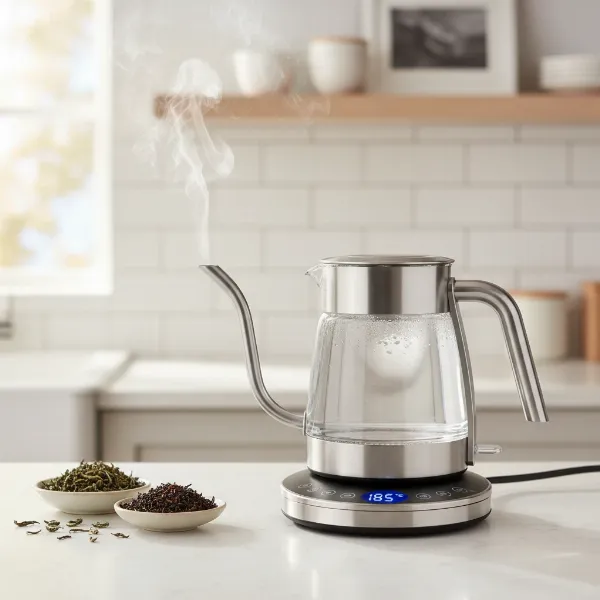
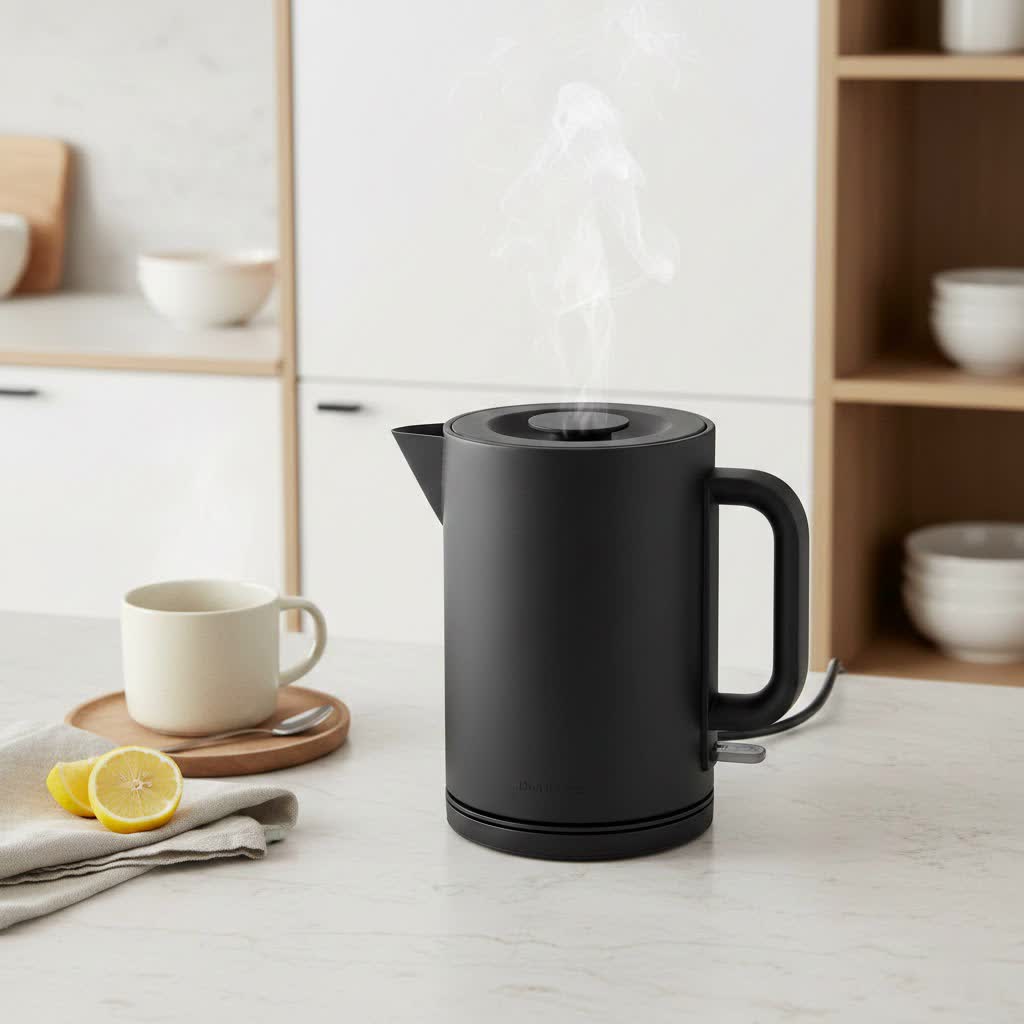
It’s a common experience for water from a new electric kettle or coffee maker to have a plastic taste. This is typically due to manufacturing residues or a process called “off-gassing” from the new plastic components. While usually made from food-grade plastics designed to be safe, any lingering residues can impart an initial off-flavor until flushed away. Boiling water multiple times and discarding it is often the first recommendation to resolve this.
Plastic Water Bottles and Storage Containers
Plastic water bottles, reusable containers, and even large water dispenser jugs are frequent culprits. Over time, and especially when exposed to heat or sunlight, the plastic can degrade and leach chemicals like Bisphenol A (BPA) or phthalates into the water. This process is exacerbated by prolonged storage or repeated use, leading to a noticeable plastic or chemical taste as well as potentially introducing microplastics. Many users report a distinct plastic aftertaste after drinking from older, worn-out plastic bottles or those left in warm environments.
Your Home’s Plumbing System
The pipes delivering water to your tap can also be a source of plastic taste. Homes with plastic plumbing materials like PEX (cross-linked polyethylene), PVC (polyvinyl chloride), CPVC, or HDPE (high-density polyethylene) may experience this, particularly in new installations or when water has been stagnant in the pipes for extended periods. These pipes can release small organic molecules, such as residual monomers or plasticizers, that affect taste and smell. Hard water, rich in minerals, can sometimes react with these plastic materials, making the taste more prominent.
Water Filtration Systems and Coolers
Ironically, even components designed to improve water quality can sometimes contribute to a plastic taste. New water filters, reverse osmosis (RO) systems, or water cooler components might initially leach manufacturing residues. Proper flushing procedures, often involving several full tank cycles, are crucial to eliminate these initial tastes.
Other Potential Factors
Less commonly, a plastic taste might stem from old rubber fittings or washers in your plumbing, which can degrade and impart a stale or chemical flavor. In very rare and serious cases, external contaminants like fuel spills or leaks into the ground around plastic water pipes can lead to a highly concerning taste, requiring immediate attention from authorities.
Is Plastic-Tasting Water Harmful to Your Health?
The primary concern with plastic-tasting water extends beyond its unpleasantness; it’s the potential for chemical leaching and the introduction of microplastics into your body.
Understanding Chemical Leaching
When plastic materials come into contact with water, especially under conditions like heat or prolonged storage, they can release chemical compounds. These include:
- Bisphenol A (BPA): Found in polycarbonates, BPA leaching has been linked to hormonal effects, fertility issues, and obesity.
- Phthalates: Often used as plasticizers, phthalates can disrupt endocrine and reproductive systems.
- Styrene and Vinyl Chloride: These can leach from polystyrene and PVC respectively, and are recognized as potential health concerns.
- Microplastics: Tiny plastic particles, including nanoplastics, are increasingly found in tap water and bottled water. These microplastics can carry other chemicals and have been shown to interfere with digestive and respiratory systems, and their additives can impact endocrine and reproductive health. Some studies even suggest they might cross the blood-brain barrier.
While the concentrations of these chemicals are often very low, continuous exposure is a growing area of scientific study, raising concerns about long-term health impacts. A persistent plastic taste should prompt investigation to ensure your water is not only palatable but also genuinely safe.
Your Action Plan: How to Get Rid of the Plastic Taste
Dealing with plastic-tasting water requires a systematic approach. Here’s how you can troubleshoot and resolve the issue in various scenarios.
Troubleshooting New Appliances (Especially Kettles)
If your new electric kettle is the culprit, follow these steps:
- Initial Cleaning: Wash the kettle thoroughly with warm, soapy water, then rinse well.
- Repeated Boiling: Fill the kettle to its maximum level with fresh water and boil it. Discard this water. Repeat this process at least three to five times. This helps to flush out any manufacturing residues.
- Baking Soda or Vinegar Method: For stubborn tastes, fill the kettle 3/4 full with water. Add two tablespoons of bicarbonate of soda (baking soda) or a half-and-half solution of water and white vinegar. Boil the mixture, let it stand overnight, then discard. Re-boil with fresh water a couple of times to remove any residual cleaner.
Refreshing Plastic Water Bottles and Containers
To tackle plastic taste in reusable bottles:
- Deep Clean: Wash the bottle with warm water and a tablespoon of baking soda, or a solution of vinegar and water. Let it soak for an hour or overnight, then rinse thoroughly.
- Know When to Replace: If the bottle is old, scratched, or frequently exposed to heat, it’s likely degrading and continually leaching chemicals. Consider replacing it.
- Proper Use and Storage: Avoid leaving plastic bottles in hot cars or direct sunlight. Store them in a cool, dark place. Never reuse single-use plastic bottles, as they are not designed for repeated use and can degrade quickly.
Addressing Issues in Your Plumbing and Water System
When the plastic taste originates from your tap water:
- Flush Stagnant Water: If your water tastes off after a period of non-use (e.g., after a vacation), run your cold water taps for several minutes. This flushes out any water that has been sitting in your pipes, especially in contact with plastic or rubber fittings.
- Consider Filtration: A good quality home water filtration system can significantly improve taste by removing impurities and volatile organic compounds (VOCs) that contribute to plastic flavors. For hard water reacting with plastic pipes, a salt-free water softener might also help.
- Check Plumbing Installations: If you have new plumbing, the taste should subside over time. However, if it persists, or if you suspect issues with specific hoses (like those for dishwashers or garden taps), consult a qualified plumber. They can check for improper connections or recommend WRAS-approved (Water Regulations Advisory Scheme) hoses and check valves.
- Professional Water Testing: For persistent or concerning tastes, especially if accompanied by other unusual odors, consider professional water quality testing. This can identify specific contaminants and pinpoint the source of the problem. If you suspect a serious contamination like a fuel spill near your pipes, contact your local water company and health authorities immediately.
Maintaining Your Water Filters and Coolers
For optimal taste from filtration systems and water coolers:
- Flush New Filters: Always follow manufacturer instructions for flushing new filter cartridges or RO systems. This usually involves running several gallons of water through the system before drinking.
- Regular Cleaning: Regularly clean all plastic components of your water cooler or dispenser according to the manufacturer’s guidelines to prevent residue buildup.
Preventing the Plastic Taste: Long-Term Solutions
The best way to avoid plastic-tasting water is often through proactive measures and informed choices about the materials you use for water storage and consumption.
Embrace Non-Plastic Alternatives
One of the most effective long-term strategies is to reduce reliance on plastic where water is concerned.
- Glass: Opt for glass electric kettles, water bottles, and storage containers. Glass is inert, meaning it won’t leach chemicals or impart flavors.
- Stainless Steel: High-quality stainless steel bottles, kettles, and certain appliances are excellent, durable alternatives that do not affect water taste.
- Ceramic: For some water filters or storage crocks, ceramic offers a natural, non-reactive option.
Regular Maintenance and Best Practices
Consistency in care can go a long way:
- Consistent Cleaning: Regularly clean all items that come into contact with your drinking water, including reusable bottles, kettle interiors, and filter housings.
- Avoid Prolonged Storage in Plastics: Whenever possible, avoid storing water in plastic containers for extended periods, especially in warm conditions or direct sunlight.
- Choose Reputable Brands: When purchasing appliances or water containers, invest in products from reputable brands known for using high-quality, food-grade, and BPA-free materials.
Informed Choices for Your Home
Consider the bigger picture of your home’s water system:
- BPA-Free Products: Look for labels that explicitly state “BPA-free” when purchasing plastic products, though it’s worth noting that some BPA alternatives may also have their own concerns.
- Plumbing Material Upgrades: If you’re undertaking renovations or building a new home, discuss alternative plumbing materials like copper or cross-linked polyethylene (PEX) with your plumber, and understand their potential impact on water taste and health.
Conclusion
Experiencing a plastic taste in your water can be unsettling, but it’s a common issue with a range of identifiable causes and effective solutions. Whether it’s a new appliance, an old water bottle, or a component in your home’s plumbing, understanding the source is key to resolving the problem. Beyond the immediate unpleasantness, addressing this taste is important for your peace of mind and overall health, given the potential for chemical leaching and microplastic exposure. By adopting proactive cleaning habits, choosing non-plastic alternatives, and knowing when to seek professional help, you can ensure your water is always fresh, clean, and safe to drink. What small change will you make today to improve the quality of your drinking water?
Frequently Asked Questions
Is it safe to drink water that tastes like plastic?
While often not immediately dangerous, a persistent plastic taste indicates chemical leaching, which can introduce compounds like BPA or microplastics into your water. It’s generally advisable to investigate the cause and fix it for long-term health and better taste.
How often should I clean my electric kettle to prevent plastic taste?
For new kettles, boil and discard water multiple times or use baking soda/vinegar solutions initially. For ongoing prevention, regular descaling (every 1-3 months depending on water hardness) and occasional cleaning of the interior, especially if it has plastic components, can help.
Can a water filter remove the plastic taste?
Yes, many high-quality water filters, including activated carbon filters and reverse osmosis systems, can effectively remove organic compounds, chlorine, and other impurities that contribute to a plastic or chemical taste in water.
What are BPA-free plastics?
BPA-free plastics are made without Bisphenol A, a chemical historically used in some plastics that has raised health concerns. While BPA-free products are generally preferred, some alternatives might still have their own potential issues, so opting for glass or stainless steel is often the safest choice.
When should I replace my plastic water bottle?
You should replace plastic water bottles if they are scratched, discolored, have a persistent odor or taste, or are older than a year or two, especially if regularly exposed to heat or harsh cleaning. This helps prevent chemical leaching and microbial growth.
Does boiling water remove the plastic taste?
Boiling water alone typically does not remove the plastic taste; it can sometimes even exacerbate it by accelerating chemical leaching from plastic components. However, repeatedly boiling and discarding water in a new appliance can help flush out initial manufacturing residues.