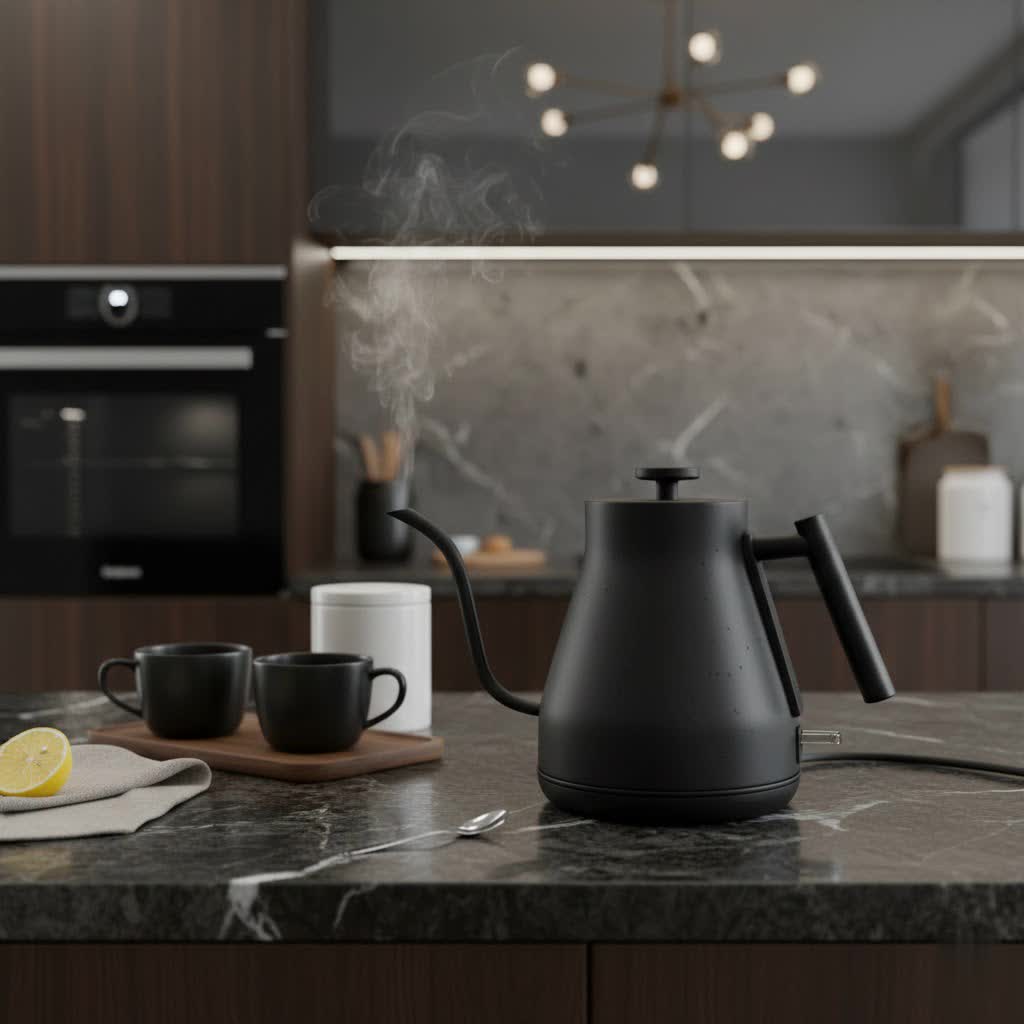
For the discerning tea enthusiast, a simple stovetop kettle just won’t do. The art of brewing the perfect cup, whether it’s a delicate white tea or a robust black blend, often hinges on precise temperature control, speed, and reliability. This guide delves into the world of premium electric kettles, offering insights into their evolution, features, and how to select the ideal one as a cherished gift.
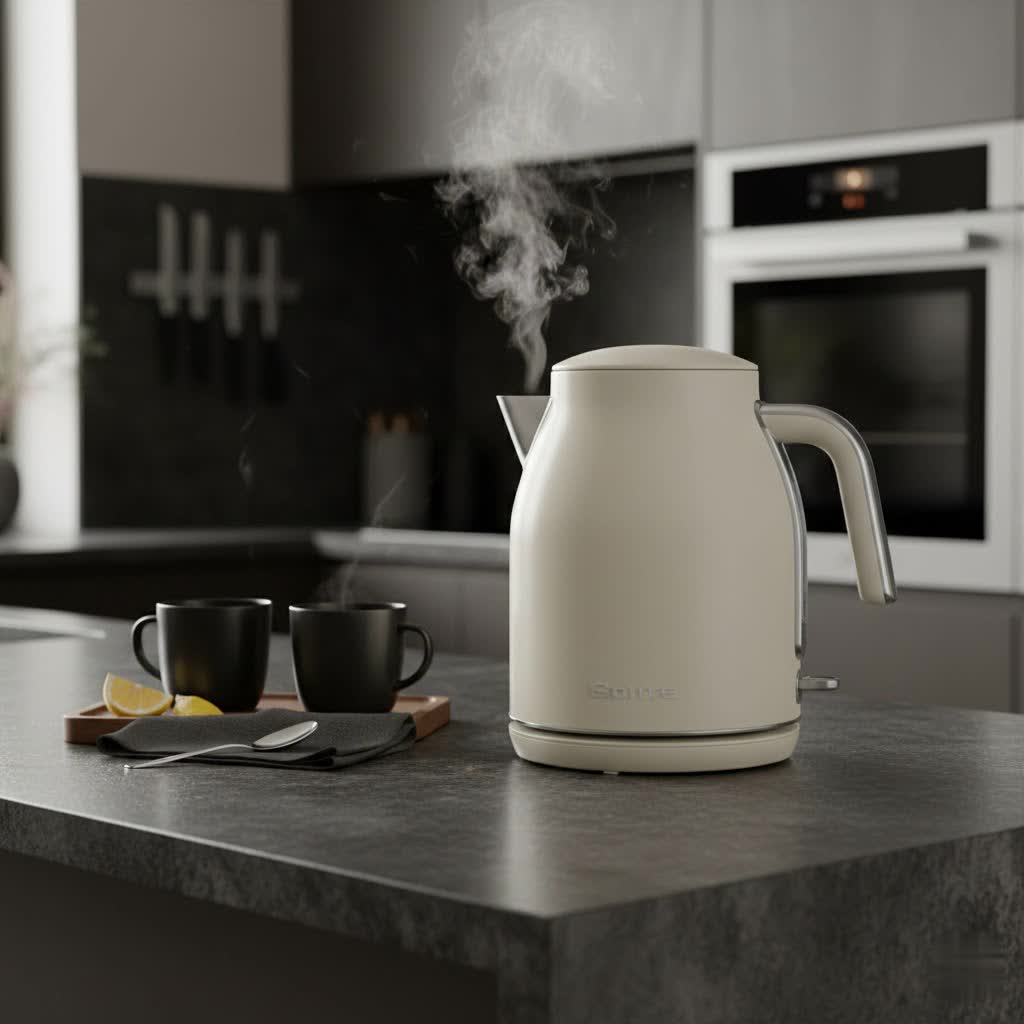
Electric Kettle: Overview and Buying Guide
Electric kettles have revolutionized the way we enjoy hot beverages, providing unmatched convenience and accuracy compared to their stovetop predecessors. What truly sets a premium electric kettle apart for a tea lover is its ability to heat water to specific temperatures, essential for unlocking the full flavor profile of various tea types. Beyond just boiling, these sophisticated appliances blend aesthetics with advanced functionality, making them both a useful tool and an elegant addition to any kitchen.
History and Evolution of Electric Kettles
|
Our Picks for the Best Electric kettle in 2026
As an Amazon Associate I earn from qualifying purchases.
|
||
| Num | Product | Action |
|---|---|---|
| 1 | Chefman Electric Kettle with Tea Infuser, Compact 1L (4 Cups), 1500W, Removable Lid for Easy Cleaning, Boil-Dry Protection, Stainless Steel Filter, BPA Free, Auto Shut Off, Small Electric Tea Kettle |

|
| 2 | Cosori Electric Kettle, No Plastic Contact With Water, Wide Mouth For Easy Cleaning, Auto Shut Off, 1.7L Tea Kettle & Hot Water Boiler, Water Heater & Teapot, Borosilicate Glass, Black, 1500W |
|
| 3 | Chefman Electric Kettle with Temperature Control, 5 Presets LED Indicator Lights, Removable Tea Infuser, Glass Tea Kettle & Hot Water Boiler, 360° Swivel Base, BPA Free, Stainless Steel, 1.8 Liters |
|
| 4 | Cuisinart PerfecTemp 1.7-Liter Electric Kettle, Cordless Electric Tea Kettle, 1500W for Fast Heat-Up, 6 Preset Temperatures, 30-Minute Keep Warm, Stay Cool Nonslip Handle, CPK-17P1 |
|
| 5 | Amazon Basics Electric Stainless Steel Kettle for Tea and Coffee, BPA-Free, Fast Boiling, Auto Shut-Off, 1 Liter, 1500W, Black and Silver |
|
| 6 | OVENTE Electric Kettle, 1.5L Borosilicate Glass Countertop Water Heater and Boiler for Coffee or Tea, BPA-Free, Auto Shut-Off, Boil-Dry Protection, Removable and Washable Spout Filter, Black KG83B |
|
| 7 | Mueller Rapid Boil Electric Tea Kettle 1.8L – Borosilicate Glass & Stainless Steel – BPA-Free Hot Water Boiler, LED Light, Auto Shut-Off, Boil Dry Protection Fast Water Heater – Kitchen Appliances |
|
| 8 | Amazon Basics Electric Kettle with Glass Carafe for Tea and Coffee, Fast Boiling, Auto Shut-Off, Boil-Dry Protection, Temperature Control, Removable Filter, 1 Liter, 1500W, BPA-Free |
|
| 9 | OVENTE Electric Kettle, 1.7L Fast Boiling Water Heater for Coffee or Tea, BPA Free with Water Level Gauge, Auto Shut-Off, Boil-Dry Protection, Indicator Light and Removable Filter, White KP72W |
|
| 10 | Chefman Electric Kettle, 1.8L 1500W, Hot Water Boiler, Removable Lid for Easy Cleaning, Auto Shut Off, Boil-Dry Protection, Stainless Steel Filter, BPA Free, Borosilicate Glass Electric Tea Kettle |
|
The journey of the electric kettle began in 1891 with the Carpenter Electric Company in the United States, which introduced the first model. These early kettles were primitive, featuring a heating element in a separate compartment beneath the water, leading to a lengthy 12-minute boil time. A significant leap forward occurred in 1922 when the Swan Corporation launched an electric tea kettle with a built-in heating element, sealed within a metal tube directly inside the water chamber. This innovation drastically reduced boiling times and spurred further advancements.
The mid-20th century marked another milestone with Russell Hobbs’ development of the first automatic electric kettle in the 1950s. This breakthrough introduced the crucial safety feature of automatic shut-off, preventing kettles from boiling dry or causing electrical hazards. From bulky metal designs of the 1930s to the prevalence of plastic models, and now back to sleek stainless steel and glass, electric kettles have continually adapted, prioritizing efficiency, safety, and specialized features like temperature control that are indispensable for today’s tea connoisseur.
Popular Types of Electric Kettles
The market offers a diverse range of electric kettles, each catering to different needs and preferences. Understanding these types helps in choosing the perfect gift for a tea lover.
- Standard Electric Kettles: These are the most basic models, typically featuring a simple on/off switch and boiling water to 212°F (100°C). They are fast and convenient for black teas or instant beverages but lack the precision needed for more delicate tea varieties.
- Variable Temperature Control Kettles: The gold standard for tea lovers, these kettles allow users to select specific temperatures, often with preset options for different teas (e.g., 175°F for green tea, 195°F for oolong). This precision ensures optimal steeping and prevents scorching delicate leaves. Many also include a “keep warm” function to maintain the desired temperature.
- Gooseneck Kettles: Characterized by their long, slender spout, gooseneck kettles offer exceptional pouring control. While initially popular with pour-over coffee enthusiasts, this precise pouring can also be beneficial for evenly saturating tea leaves, particularly in larger teapots, and are favored for their elegant design.
- Glass Electric Kettles: These kettles feature a borosilicate glass body, allowing users to visibly monitor the boiling process. They are celebrated for their aesthetic appeal and for ensuring no plastic contact with the water, which can be a concern for those sensitive to taste or chemical leaching.
- Travel Electric Kettles: Compact and often foldable, travel kettles are designed for portability. They usually have a smaller capacity and basic functions, making them suitable for tea lovers on the go who prioritize convenience over advanced features.
Guide to Choosing an Electric Kettle
Selecting the right electric kettle for a tea lover involves balancing functionality, material, and personal style. Consider these factors to ensure your gift is both practical and appreciated.
- Capacity: The ideal capacity depends on how the kettle will be used.
- Personal Use: For an individual or couple enjoying one or two cups at a time, a smaller kettle (around 1 liter or 30-34 ounces) is often sufficient and heats water more quickly.
- Family or Entertaining: For households with multiple tea drinkers or those who frequently host, a larger capacity kettle (1.7 liters to 4 liters) is more practical, minimizing the need for multiple refills.
- Material: The kettle’s construction material affects its durability, heat retention, and potential impact on taste.
- Stainless Steel: Highly durable, rust-resistant, and excellent at retaining heat. It offers a sleek, modern look and is a popular choice for its longevity. Many premium models feature brushed stainless steel.
- Glass: Provides an elegant aesthetic and the ability to watch water boil. It’s often preferred by those who wish to avoid any plastic contact with their water, though it can be more fragile than stainless steel.
- Plastic: Generally more affordable and lighter, but less common in premium models due to concerns about durability and potential taste alteration. Many tea lovers actively seek out kettles with minimal or no plastic in contact with hot water.
- Power (Wattage): The wattage directly influences how quickly the kettle heats water.
- Boiling Speed: Kettles with higher wattage (1500 watts or more) boil water significantly faster, which is a key convenience feature for busy mornings.
- Energy Efficiency: While higher wattage means faster boiling, it doesn’t necessarily mean less energy efficient overall, as the heating cycle is shorter. Look for models that heat quickly to the desired temperature and shut off promptly.
- Features: Modern electric kettles come with a host of features designed to enhance the tea brewing experience.
- Automatic Shut-off: A crucial safety feature that turns off the kettle once water reaches boiling point or a set temperature, preventing boil-dry situations.
- Temperature Control: Essential for tea lovers. Look for models with preset temperature options for common teas (e.g., green, white, oolong, black) or precise digital temperature selection (e.g., from 104°F to 212°F).
- Keep Warm Function: Allows the kettle to maintain a set temperature for a period (typically 20-60 minutes), perfect for multiple cups or steeping sequential infusions.
- Boil-Dry Protection: Prevents damage to the heating element by automatically turning off the kettle if there’s insufficient water.
- Removable Filter: Helps trap limescale and impurities, ensuring cleaner water for your tea.
- Gooseneck Spout: Offers controlled pouring, ideal for precise saturation of tea leaves or pour-over coffee.
- Brand and Reviews: Reputable brands often indicate higher quality, better warranty support, and reliable performance.
- Trusted Names: Brands like Cosori, Cuisinart, Fellow, Breville, and OXO consistently appear on “best-of” lists.
- User Feedback: Consulting user reviews can provide valuable insights into real-world performance, durability, and any common issues.
- Price: Electric kettles span a wide price range, from budget-friendly to high-end.
- Price Segments: Basic models can be found under $50, while premium kettles with advanced features and sophisticated designs often range from $70 to over $200.
- Value vs. Cost: Consider the frequency of use and desired features. Investing in a higher-priced, feature-rich kettle can be worthwhile for an avid tea drinker who values precision and durability.
Comparison Table: Best Electric Kettles
Here’s a comparison of some top-rated electric kettles, highlighting key features for tea lovers:
| Feature | Cosori Electric Gooseneck Kettle | Cuisinart CPK-17 PerfecTemp | Fellow Stagg EKG Pro | Breville Smart Kettle Luxe | OXO Brew Adjustable Temperature Kettle | Capresso H2O Glass Select |
|---|---|---|---|---|---|---|
| Type | Gooseneck, Variable Temp | Jug, Variable Temp | Gooseneck, Variable Temp | Jug, Variable Temp | Gooseneck, Variable Temp | Glass Jug, Variable Temp |
| Capacity | 1.0 L (34 oz) | 1.7 L (57 oz) | 1.0 L (30 oz) | 1.7 L (57 oz) | 1.0 L (34 oz) | 1.7 L (57 oz) |
| Wattage | 1200W-1500W | 1500W | 1200W | 1500W | 1500W | 1500W |
| Temp Control | 5 presets (170-212°F), precise | 6 presets (160-212°F) | Precise dial control | Precise dial/button, presets | Precise dial control | 5 presets (110-212°F), color LED |
| Keep Warm | Yes (30+ min) | Yes (30 min) | Yes | Yes (20-30 min) | Yes | No |
| Material | Stainless Steel | Stainless Steel | Stainless Steel | Stainless Steel | Stainless Steel | Glass |
| Boil Time (3.5 cups) | ~3:37 | ~3:37 (for 3 cups) | ~5:26 | ~4:34 | ~4:50 | ~4:34 |
| Key Highlights | Fast, accurate, gooseneck | Large capacity, versatile presets | Sleek, pour control, stopwatch | Fast, accurate, sturdy | Precise pour, budget-friendly | Glass body, quick to temp, value |
Tips for Using and Maintaining Your Electric Kettle
Proper care ensures your premium electric kettle performs optimally for years. Follow these simple tips to maintain its longevity and keep your tea tasting fresh.
- Regular Cleaning and Descaling: Mineral deposits (limescale) can accumulate over time, affecting performance and taste.
- Descaling Solution: Fill the kettle with equal parts white vinegar and water, or lemon juice and water. Boil the mixture, let it sit for 30 minutes to overnight, then discard. Rinse thoroughly with fresh water and boil clean water a few times to eliminate any lingering odor. Commercial descaling solutions are also effective. The frequency depends on water hardness; monthly in hard water areas, bi-monthly in soft water areas.
- Exterior Cleaning: Wipe the exterior with a damp cloth and dry it to maintain its appearance.
- Proper Filling and Boiling:
- Always use fresh, cold water. Avoid re-boiling stagnant water as it can affect taste.
- Do not overfill past the maximum fill line to prevent splashing and ensure efficient boiling.
- Ensure the lid is securely closed before operating the kettle.
- Avoid Boiling Dry: Never operate the kettle without water. Most modern kettles have boil-dry protection, but it’s best practice to always ensure adequate water levels.
- Use Filtered Water: If you live in an area with hard water, using filtered water can significantly reduce limescale buildup and enhance the taste of your tea.
- Store Properly: When not in use, empty the kettle and leave the lid open to allow it to air out and prevent moisture buildup, which can lead to odors or mildew.
Common Issues and How to Fix Them
Even premium electric kettles can encounter minor issues. Here are some common problems and their straightforward solutions.
- Kettle Not Heating/Working:
- Check Power: Ensure the kettle is properly plugged into a working outlet and that the base is making good contact with the kettle.
- Reset: Some kettles have a reset button or require a short cool-down period after overheating before they will operate again.
- Water Takes Too Long to Boil:
- Descaling: Limescale buildup acts as an insulator, reducing heating efficiency. Regular descaling will restore optimal performance.
- Wattage: Ensure the kettle’s wattage is appropriate for your needs; lower wattage kettles naturally take longer.
- Kettle Leaks Water:
- Overfilling: Water leaking from the lid or spout often indicates overfilling. Always fill to the maximum marked line.
- Seal Integrity: Check if the lid or any seals are properly seated or damaged.
- Unpleasant Odor/Taste (Plastic Taste):
- New Kettle: New kettles, especially those with plastic components, can emit a manufacturing odor initially. Boil and discard water several times, or boil with a slice of lemon.
- Limescale/Residue: Descaling and thorough rinsing can remove mineral deposits that might affect taste. For those highly sensitive, consider glass or all-stainless steel models with no internal plastic.
Where to Buy Electric Kettles?
Finding the perfect electric kettle for a tea lover is easier than ever with numerous retail options available.
- Major Appliance and Department Stores: Retailers like Macy’s, Target, and Kohl’s often carry a wide selection of electric kettles, including premium brands. This allows for in-person inspection of design, weight, and ergonomics.
- Online Retailers: Amazon, Wayfair, and the official websites of brands like Cosori, Fellow, Breville, and OXO offer extensive selections, competitive pricing, and user reviews. When buying online, verify the retailer’s return policy and product warranty.
- Specialty Kitchen Stores: Stores focusing on kitchenware or coffee/tea equipment may offer a curated selection of higher-end or unique electric kettles.
When purchasing, especially online, always check product specifications, customer reviews, and the warranty information to ensure you’re making an informed decision.
Conclusion
A premium electric kettle is more than just an appliance; it’s an essential tool that transforms the daily ritual of tea brewing into an art form. From the precise temperature control needed for delicate green teas to the rapid boil for a quick black tea, the right kettle elevates every cup. By considering factors such as capacity, material, wattage, and specialized features like gooseneck spouts and keep-warm functions, you can select a gift that perfectly matches the needs and preferences of any tea lover. This thoughtful present promises not just convenience, but consistently delicious brews for years to come. What unique feature do you believe makes an electric kettle truly indispensable for a tea enthusiast?
Frequently Asked Questions
What is the ideal water temperature for different types of tea?
Different teas require specific temperatures to brew optimally. Green and white teas typically prefer cooler temperatures around 160-175°F (70-80°C) to prevent bitterness, while oolong teas benefit from 185-195°F (85-90°C). Black and herbal teas are best steeped with boiling water at 212°F (100°C) to extract their full flavor. A variable temperature electric kettle allows you to achieve these precise temperatures effortlessly.
How often should an electric kettle be descaled?
The frequency of descaling depends on the hardness of your water. In areas with very hard water, descaling every 2-4 weeks is recommended. For softer water areas, every 2-3 months should suffice. Regular descaling with white vinegar or lemon juice prevents mineral buildup, ensures efficient heating, and maintains the purity of your tea’s taste.
Are glass electric kettles better than stainless steel ones for tea?
Both glass and stainless steel electric kettles offer distinct advantages. Glass kettles provide an elegant visual experience and ensure no plastic contact with hot water, which some tea lovers prefer for taste purity. Stainless steel kettles are highly durable, often more robust, and excel at heat retention. The “better” choice often comes down to personal aesthetic preference and whether avoiding plastic components is a top priority.
What is a “keep warm” function on an electric kettle?
A “keep warm” function allows the electric kettle to maintain the heated water at a specific temperature for an extended period, typically ranging from 20 to 60 minutes. This feature is incredibly convenient for those who enjoy multiple cups of tea throughout a morning or for households where several people might want hot water at different times without having to re-boil.
Can I use my electric kettle for beverages other than tea?
Absolutely! While an excellent tool for tea, electric kettles are versatile kitchen appliances. They are perfect for preparing pour-over coffee, instant oatmeal, hot chocolate, instant noodles, or even quickly boiling water for cooking tasks. Many premium models with precise temperature controls also offer specific settings ideal for French press coffee, making them multi-functional additions to any kitchen.