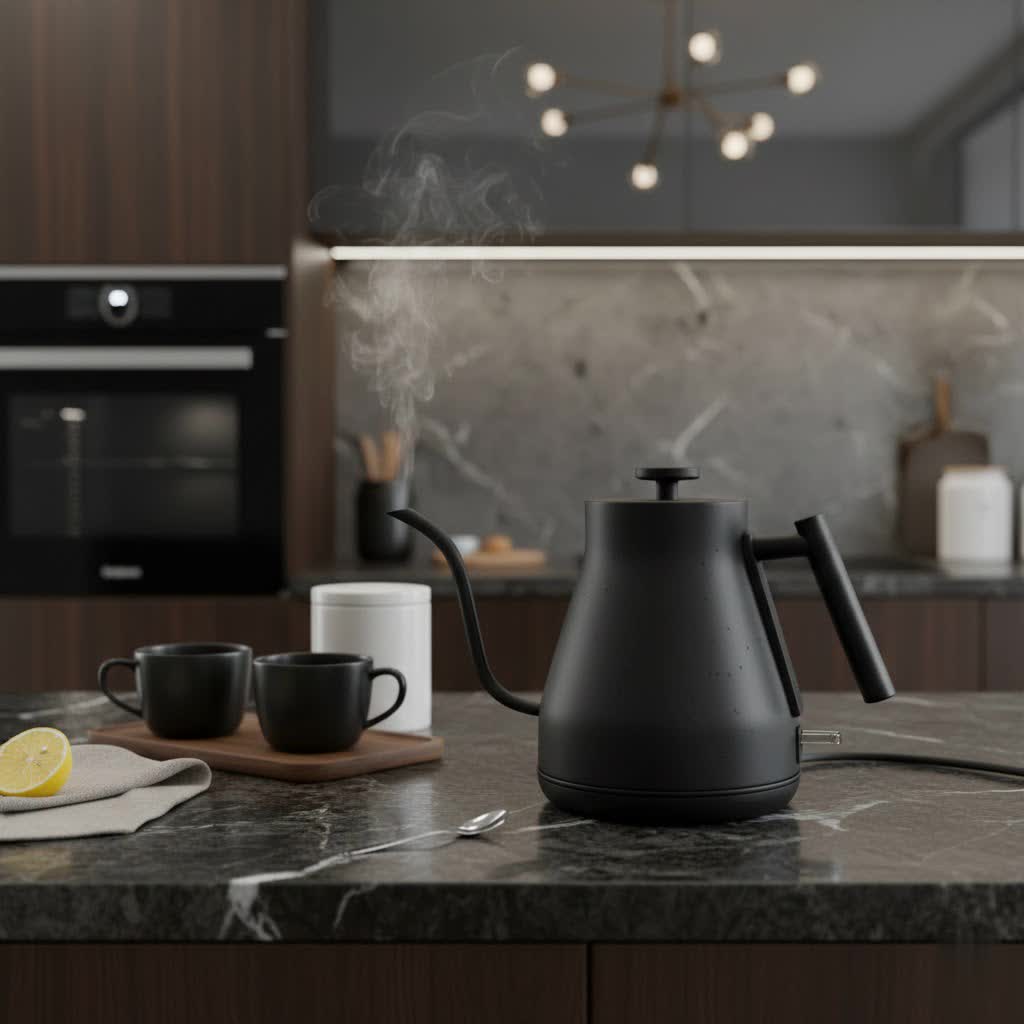
Living with arthritis can present daily challenges, especially when performing routine kitchen tasks like boiling water. The strain of lifting a heavy kettle or the difficulty of maintaining a steady pour can turn a simple cup of tea into a daunting chore. Thankfully, innovations in kitchen appliance design are transforming the landscape, offering specialized electric kettles that prioritize ease of use, safety, and comfort for individuals with arthritis, limited mobility, or weak grip. This comprehensive guide will help you navigate the options, focusing on lightweight and easy-pour designs that empower independence in your kitchen.
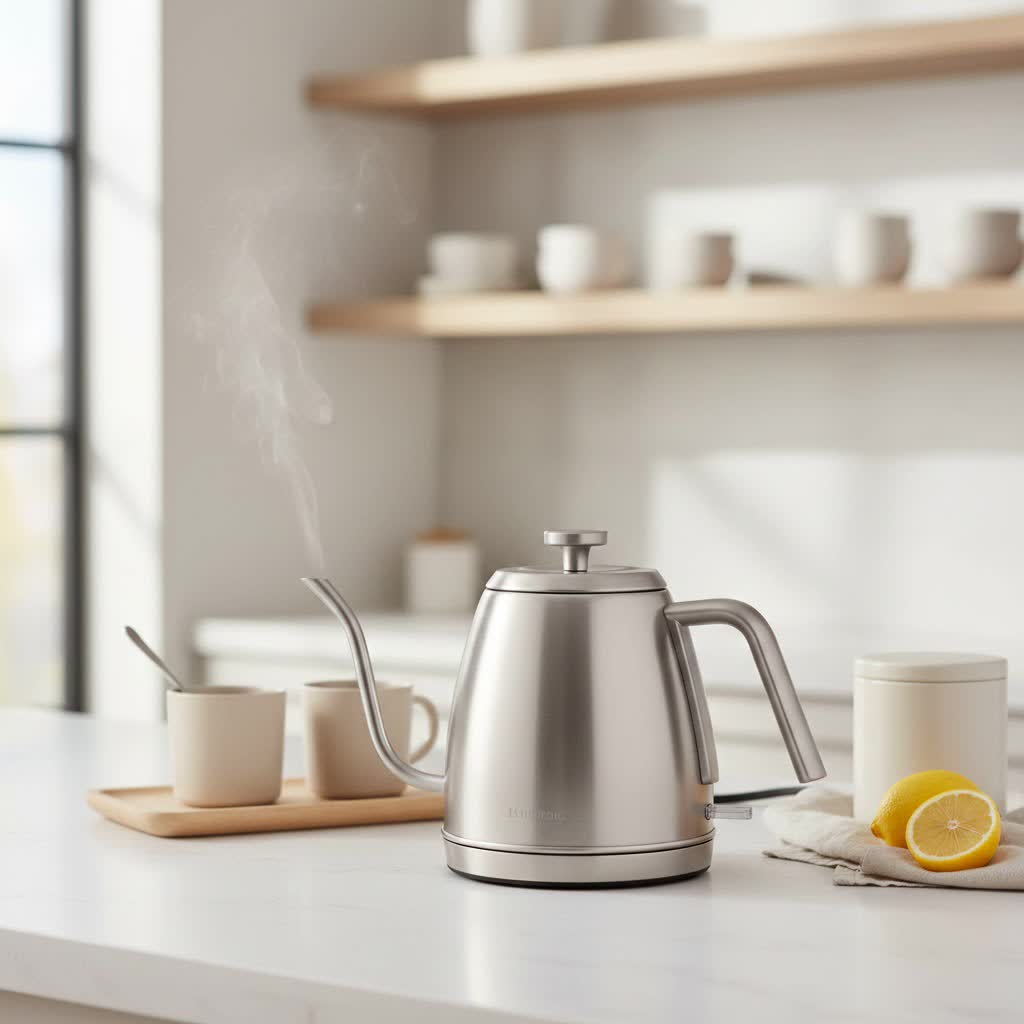
Electric Kettle: Overview and Buying Guide for Arthritis Sufferers
The journey of electric kettles has evolved significantly since their inception. Early models were basic, focused solely on heating water. However, understanding the varied needs of users has led to a new generation of appliances, particularly those designed to aid individuals facing physical limitations. This evolution embraces ergonomic principles and assistive technology, making hot water accessible to everyone.
The Challenge of Arthritis and Traditional Kettles
|
Our Picks for the Best Electric kettle in 2026
As an Amazon Associate I earn from qualifying purchases.
|
||
| Num | Product | Action |
|---|---|---|
| 1 | Chefman Electric Kettle, 1.8L 1500W, Hot Water Boiler, Removable Lid for Easy Cleaning, Auto Shut Off, Boil-Dry Protection, Stainless Steel Filter, BPA Free, Borosilicate Glass Electric Tea Kettle |

|
| 2 | Cosori Electric Kettle, No Plastic Contact With Water, Wide Mouth For Easy Cleaning, Auto Shut Off, 1.7L Tea Kettle & Hot Water Boiler, Water Heater & Teapot, Borosilicate Glass, Black, 1500W |
|
| 3 | Mueller Rapid Boil Electric Tea Kettle 1.8L – Borosilicate Glass & Stainless Steel – BPA-Free Hot Water Boiler, LED Light, Auto Shut-Off, Boil Dry Protection Fast Water Heater – Kitchen Appliances |
|
| 4 | Chefman Electric Kettle with Tea Infuser, Compact 1L (4 Cups), 1500W, Removable Lid for Easy Cleaning, Boil-Dry Protection, Stainless Steel Filter, BPA Free, Auto Shut Off, Small Electric Tea Kettle |
|
| 5 | Amazon Basics Electric Stainless Steel Kettle for Tea and Coffee, BPA-Free, Fast Boiling, Auto Shut-Off, 1 Liter, 1500W, Black and Silver |
|
| 6 | Chefman Electric Kettle with Temperature Control, 5 Presets LED Indicator Lights, Removable Tea Infuser, Glass Tea Kettle & Hot Water Boiler, 360° Swivel Base, BPA Free, Stainless Steel, 1.8 Liters |
|
| 7 | OVENTE Electric Kettle, 1.5L Borosilicate Glass Countertop Water Heater and Boiler for Coffee or Tea, BPA-Free, Auto Shut-Off, Boil-Dry Protection, Removable and Washable Spout Filter, Black KG83B |
|
| 8 | Amazon Basics Electric Kettle with Glass Carafe for Tea and Coffee, Fast Boiling, Auto Shut-Off, Boil-Dry Protection, Temperature Control, Removable Filter, 1 Liter, 1500W, BPA-Free |
|
| 9 | Cuisinart PerfecTemp 1.7-Liter Electric Kettle, Cordless Electric Tea Kettle, 1500W for Fast Heat-Up, 6 Preset Temperatures, 30-Minute Keep Warm, Stay Cool Nonslip Handle, CPK-17P1 |
|
| 10 | OVENTE Electric Kettle, 1.7L Fast Boiling Water Heater for Coffee or Tea, BPA Free with Water Level Gauge, Auto Shut-Off, Boil-Dry Protection, Indicator Light and Removable Filter, White KP72W |
|
Traditional kettles, when filled, can weigh several pounds, creating a significant physical burden for anyone with joint pain, weakened grip strength, or tremors. The act of lifting, balancing, and pouring a full kettle requires a level of dexterity and strength that arthritis often diminishes, leading to discomfort, pain, and a heightened risk of spills and burns. A standard 1.7-liter kettle, for instance, can weigh over 4.5 pounds when full, a substantial weight to manage with affected joints.
History and Evolution of Kettles for Enhanced Accessibility
The earliest electric kettles were rudimentary, focusing on the core function of boiling water. Over time, features like automatic shut-off and cordless designs improved convenience. However, it’s the recent focus on accessibility that marks a significant milestone. Designers, often inspired by personal experiences with mobility challenges, have introduced features like tilt-to-pour mechanisms and ergonomic handles. These advancements move beyond basic safety, directly addressing the physical limitations of users to promote greater independence and reduce the risk of accidents.
Types of Electric Kettles for Arthritis
The market now offers several types of electric kettles tailored to different needs for those with arthritis:
- Tilt-to-Pour Kettles: These revolutionary kettles sit in a stable cradle and feature a pivoting design that allows water to be poured with minimal effort, eliminating the need to lift the heavy kettle. They are often considered the gold standard for severe arthritis or tremors.
- Lightweight & Compact Kettles: For those who retain some lifting ability but benefit from reduced weight, these kettles offer smaller capacities (e.g., 0.8L to 1.0L) and lighter materials, making them easier to handle even when full.
- Ergonomic Design Kettles: These are traditional-style kettles but with enhanced features like wide, non-slip, or textured handles, and soft-opening lids that prevent steam splashback, providing a more secure and comfortable grip.
- Kettle Tippers (Accessory): For users who prefer to keep their existing kettle, a separate kettle tipper or cradle can convert a standard kettle into a no-lift pouring system, often with an auto-rock-back feature for safety.
Key Features to Consider When Choosing an Electric Kettle for Arthritis
Selecting the right kettle involves evaluating several crucial features that enhance safety, comfort, and independence.
- Weight & Lifting: Prioritize kettles that minimize or eliminate the need to lift heavy loads. Tilt-to-pour models are ideal, as they allow pouring directly from a stable base. For traditional kettles, look for lighter materials and smaller capacities.
- Pouring Mechanism: A smooth, controlled pour is essential. Tilt-to-pour systems excel here by regulating the water flow. For traditional kettles, a tapered spout and a well-designed ergonomic handle are vital for accurate and steady pouring.
- Handle Design: An ergonomic handle that allows for a full-hand “power grip” rather than a “pinch grip” is significantly more comfortable and secure for arthritic hands. Look for handles that are cool-touch, non-slip, and adequately sized.
- Lid Operation: Kettles with a one-touch or soft-opening lid are preferable. This prevents the need for struggling with stiff latches and reduces the risk of burns from sudden steam release.
- Safety Features: Automatic shut-off once water boils and boil-dry protection are non-negotiable, especially for those who might forget to turn off the appliance. A weighted, non-slip base adds crucial stability, preventing accidental tipping.
- Capacity: Smaller capacity kettles (e.g., 0.8L to 1.0L) are inherently lighter, making them easier to manage. Consider your typical usage—do you need water for a single cup or multiple servings?
- Controls: Simple, large, and clearly marked buttons are easier to operate than small, intricate digital interfaces, especially for those with visual impairments or limited dexterity. Backlit buttons can also be helpful.
- Material: BPA-free plastic housing often remains cooler to the touch than stainless steel, reducing the risk of accidental burns if the kettle body is inadvertently contacted. Avoid glass kettles, which are heavier and more fragile.
Top Recommended Electric Kettles for Arthritis
Based on their design, features, and user feedback, several kettles stand out for their accessibility.
The Uccello Power Tipping Kettle is consistently lauded as a top choice. Its unique circular design with a rotating cradle allows for an effortless, non-weight-bearing tilt-to-pour action, completely eliminating the need to lift the kettle. It features a large ergonomic handle, a one-touch lid for easy filling, auto shut-off, and a wide spout for a steady stream. Its 1.5-liter capacity and BPA-free construction make it both practical and safe. This kettle is especially ideal for individuals with severe tremors or very limited strength.
Other notable options include:
- Aigostar Small Electric Kettle: A lightweight (1L capacity) and compact choice for independent users who don’t require a tilt-to-pour feature but benefit from reduced weight and easy handling. It boasts quick, quiet boiling and a BPA-free interior.
- Daewoo Cordless Electric Kettle: This option offers a traditional aesthetic with user-friendly features. It’s lightweight with a clear water level indicator and a 360° swivel base, making it easy to pick up. The textured handle improves grip, though it still requires lifting to pour.
- Breville Soft Top Luxe Kettle: While requiring lifting, this kettle features a “soft open” lid that slowly releases steam, preventing sudden splashback and burns. Its handle is wrapped in a high-friction material for an easier, more secure grip, suitable for those with mild tremors or weak grip.
- Tefal Includeo Accessibility Kettle: Designed specifically for limited dexterity, this ultra-lightweight kettle features huge, high-contrast water-level windows, a 360-degree base with a “target” ring for easy placement, and an extra-wide handle for a power grip. The large one-touch opening button is a significant benefit.
“The right adaptive kitchen appliance can be more than just a tool; it’s a gateway to reclaiming autonomy and enjoying the simple pleasures of daily life without pain or fear.”
Bảng So Sánh Các Mẫu Ấm Đun Nước Điện Tốt Nhất
| Product Name | Core Safety/Accessibility Feature | Capacity | Best For |
|---|---|---|---|
| Uccello Power Tipping Kettle | Effortless Tilt-to-Pour | 1.5 L | Severe Arthritis, Tremors, No-Lift |
| Aigostar Small Kettle | Lightweight & Compact | 1.0 L | Independent Users, Mild Weakness |
| Daewoo Cordless Kettle | Textured Grip Handle | 1.7 L | Users with Some Lifting Strength |
| Breville Soft Top Luxe | Soft-Open Lid, High-Friction Handle | 1.7 L | Weak Grip, Steam Sensitivity |
| Tefal Includeo | Ultra-Lightweight, Wide Handle | 1.0 L | Limited Dexterity, Visual Cues |
| Homecraft Kettle Tipper | Converts Standard Kettle to Tipper | N/A | Existing Kettle Owners, Budget-Friendly |
Mẹo Sử Dụng và Bảo Quản Ấm Đun Nước Điện
To ensure your arthritis-friendly kettle serves you safely and effectively for years, proper usage and maintenance are key.
- Positioning the Base: Always place the kettle base on a flat, dry, non-slip surface near an electrical outlet. Ensure the cord is neatly tucked away to prevent trip hazards.
- The Fill-in-Place Method: Instead of carrying the entire kettle to the tap, use a lightweight jug to bring water to the kettle for filling. This eliminates the risk of dropping a heavy, water-filled appliance.
- The Slow-Tilt Technique: When pouring, position your cup directly under the spout. For tilt-to-pour kettles, apply gentle forward pressure on the handle. The weighted cradle will regulate the flow, preventing splashes. For traditional kettles, use a steady, slow motion.
- Auto-Reset Feature: Many tilt-to-pour cradles are designed to return to an upright position automatically once the pressure is released, adding an extra layer of safety.
- Vệ sinh ấm đun nước điện đúng cách: Regularly wipe down the exterior with a damp cloth. For the interior, especially in hard water areas, descaling is crucial.
- Khử cặn bám trong ấm: A simple and effective method is the “Vinegar Soak.” Fill the kettle with a 50/50 mixture of water and white vinegar, let it sit overnight, then boil it once in the morning. This chemical process eliminates the need for strenuous scrubbing. Rinse thoroughly afterward.
- Bảo quản ấm đun nước điện để kéo dài tuổi thọ: Always ensure the kettle is empty and dry when not in use. Store it on its base to prevent damage.
Các Lỗi Thường Gặp và Cách Khắc Phục
Even the most user-friendly kettles can encounter issues. Here’s a quick guide to common problems:
- Kettle Not Working: Check if it’s properly plugged in and seated on its base. Ensure the power switch is on and that your outlet is functional. A tripped circuit breaker could also be the culprit.
- Kettle Takes Long to Boil: Limescale buildup is a common cause. Follow the descaling instructions above. Ensure you’re not overfilling the kettle beyond its maximum capacity.
- Kettle Has a Strange Smell: New kettles can sometimes emit a plastic smell initially. Boil and discard water several times. If the smell persists, especially a burning odor, discontinue use and contact the manufacturer.
- Kettle Leaking Water: Check for cracks in the housing or a loose lid. Ensure the kettle isn’t overfilled. If the leak is from the base, it might indicate a more serious internal fault, and the kettle should be replaced.
Mua Ấm Đun Nước Điện Ở Đâu?
Finding the right kettle often means looking beyond standard kitchen appliance sections.
- Online Retailers: Websites like Amazon offer a vast selection, including specialized mobility aids. Look for reputable sellers and read customer reviews, especially those from individuals with similar needs.
- Specialized Mobility Aid Stores: These stores, both online and physical, often stock a curated range of products specifically designed for seniors and individuals with disabilities. They can provide expert advice and demonstrations.
- Department Stores/Electronics Retailers: While less likely to have highly specialized tilt-to-pour models, some larger retailers may carry lightweight or ergonomically designed standard kettles.
When purchasing online, always verify the return policy, especially for specialized aids, and prioritize products shipped directly from the retailer or Amazon to ensure authenticity and ease of returns.
Conclusion
Choosing the best electric kettle for arthritis isn’t just about boiling water; it’s about reclaiming a piece of everyday independence and ensuring safety in your kitchen. Whether you opt for a revolutionary tilt-to-pour design like the Uccello Kettle or a thoughtfully designed lightweight model, the goal remains the same: to make your hot beverage ritual enjoyable, comfortable, and risk-free. By focusing on features such as effortless pouring, ergonomic handles, and robust safety mechanisms, you can find a kettle that perfectly supports your needs.
What feature do you find most essential in an electric kettle to support your independence?
Frequently Asked Questions
Are glass kettles safe for someone with shaky hands?
Generally, glass kettles are not recommended for individuals with shaky hands or arthritis. They tend to be significantly heavier than plastic or stainless steel models, making them harder to lift and control. Additionally, glass is fragile, posing a shattering risk if accidentally dropped or knocked.
Can I use a kettle tipper with any standard electric kettle?
Most kettle tippers are designed to be universal and compatible with a wide range of standard cordless and jug-style electric kettles. However, it’s always advisable to check the product specifications for dimensions and compatibility to ensure your kettle fits securely within the tipper’s frame.
Do these specialized kettles typically have temperature control options?
While some basic lightweight kettles may not, many high-end or specialized kettles designed for accessibility, such as the Cuisinart CPK-17 PerfecTemp, do offer temperature control presets. This feature can be particularly beneficial for users who prefer water at specific temperatures (e.g., for green tea) or who wish to reduce the risk of burns from boiling hot water.
What is the ideal capacity for an arthritis-friendly electric kettle?
The ideal capacity depends on individual needs. For a single user, a 0.8L to 1.0L kettle is often sufficient and lighter to manage. For households needing to boil water for multiple servings, a 1.5L kettle (especially a tilt-to-pour model that eliminates lifting) can be a practical choice, balancing capacity with ease of use.
How often should I descale an electric kettle for arthritis?
The frequency of descaling depends on the hardness of your water and how often you use the kettle. In areas with hard water, descaling once a month is recommended to prevent limescale buildup, which can make the kettle heavier and less efficient. In soft water areas, every two to three months may suffice.