In the realm of modern kitchens, two appliances stand out for their ability to deliver hot water swiftly and efficiently: the electric kettle and the water boiler. While both serve the fundamental purpose of heating water, their design, functionality, and optimal use cases differ significantly. For anyone looking to enhance their daily brewing rituals or streamline their hot water needs, understanding these distinctions is crucial to making an informed choice. From a quick cup of tea to a continuous supply for a busy household, selecting the right appliance can profoundly impact convenience, energy efficiency, and overall satisfaction.
The Evolution of Water Heating: From Stovetop to Smart Appliances
For centuries, heating water was a stovetop affair, relying on external heat sources and manual monitoring. The advent of the electric kettle revolutionized this process, offering a faster, more convenient, and safer way to boil water with a simple flick of a switch. These early electric models quickly became kitchen staples, liberating stovetop space and reducing boiling times dramatically. As technology advanced, a new category emerged: the water boiler, often known as a hot water dispenser or urn. These appliances moved beyond simple boiling, offering continuous hot water, precise temperature control, and often larger capacities, catering to more demanding and frequent hot water requirements. This evolution reflects a growing desire for instant gratification and tailored solutions in our increasingly fast-paced lives.
Understanding the Essentials: What Defines Each Appliance?
To truly grasp the differences, let’s explore the core characteristics that define electric kettles and water boilers. Each is engineered with specific scenarios and user needs in mind, making them suitable for distinct applications.
Electric Kettles: Quick Boil on Demand
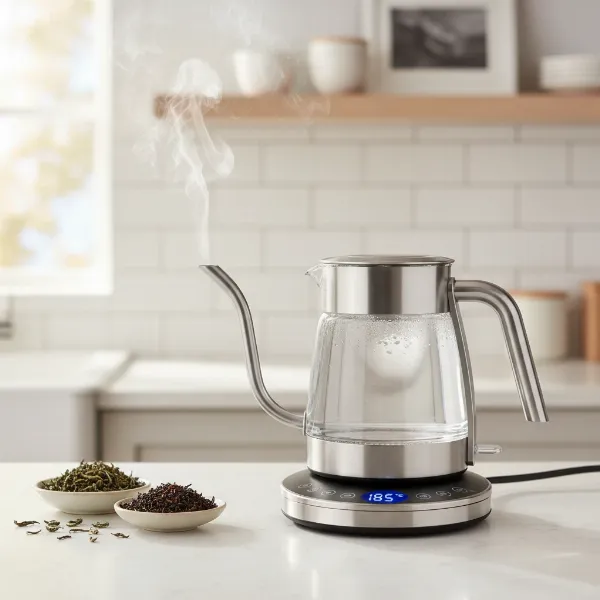
An electric kettle is a familiar countertop appliance designed primarily for rapidly boiling a contained volume of water for immediate use. Typically featuring a heating element at its base, it quickly brings water to a rolling boil and automatically shuts off, preventing boil-dry situations. Most modern electric kettles are cordless jugs that sit on a powered base, offering portability and ease of pouring. They come in various materials, including stainless steel, glass, and BPA-free plastic, each offering different aesthetic and practical benefits.
- Pros:
- Speed: Electric kettles are incredibly fast, often boiling a liter of water in just a few minutes.
- Portability: Their cordless design allows for easy movement and pouring, making them convenient for various locations within the home or office.
- Affordability: Generally, electric kettles have a lower upfront cost compared to water boilers.
- Ease of Use: Simple operation with a single button or switch.
- Cons:
- Limited Capacity: Most kettles hold between 1 to 2 liters, requiring frequent refilling for multiple users or larger quantities.
- Cools Quickly: Once boiled, the water begins to cool unless the kettle has a short “keep warm” function, necessitating re-boiling for subsequent use.
- On-Demand Only: Hot water is only available after a boiling cycle is complete.
|
Our Picks for the Best Electric kettle in 2026
As an Amazon Associate I earn from qualifying purchases.
|
||
| Num | Product | Action |
|---|---|---|
| 1 | Mueller Rapid Boil Electric Tea Kettle 1.8L – Borosilicate Glass & Stainless Steel – BPA-Free Hot Water Boiler, LED Light, Auto Shut-Off, Boil Dry Protection Fast Water Heater – Kitchen Appliances |

|
| 2 | Cosori Electric Kettle, No Plastic Contact With Water, Wide Mouth For Easy Cleaning, Auto Shut Off, 1.7L Tea Kettle & Hot Water Boiler, Water Heater & Teapot, Borosilicate Glass, Black, 1500W |
|
| 3 | Chefman Electric Kettle with Tea Infuser, Compact 1L (4 Cups), 1500W, Removable Lid for Easy Cleaning, Boil-Dry Protection, Stainless Steel Filter, BPA Free, Auto Shut Off, Small Electric Tea Kettle |
|
| 4 | OVENTE Electric Kettle, 1.5L Borosilicate Glass Countertop Water Heater and Boiler for Coffee or Tea, BPA-Free, Auto Shut-Off, Boil-Dry Protection, Removable and Washable Spout Filter, Black KG83B |
|
| 5 | Amazon Basics Electric Stainless Steel Kettle for Tea and Coffee, BPA-Free, Fast Boiling, Auto Shut-Off, 1 Liter, 1500W, Black and Silver |
|
| 6 | Chefman Electric Kettle, 1.8L 1500W, Hot Water Boiler, Removable Lid for Easy Cleaning, Auto Shut Off, Boil-Dry Protection, Stainless Steel Filter, BPA Free, Borosilicate Glass Electric Tea Kettle |
|
| 7 | Amazon Basics Electric Kettle with Glass Carafe for Tea and Coffee, Fast Boiling, Auto Shut-Off, Boil-Dry Protection, Temperature Control, Removable Filter, 1 Liter, 1500W, BPA-Free |
|
| 8 | Chefman Electric Kettle with Temperature Control, 5 Presets LED Indicator Lights, Removable Tea Infuser, Glass Tea Kettle & Hot Water Boiler, 360° Swivel Base, BPA Free, Stainless Steel, 1.8 Liters |
|
| 9 | OVENTE Electric Kettle, 1.7L Fast Boiling Water Heater for Coffee or Tea, BPA Free with Water Level Gauge, Auto Shut-Off, Boil-Dry Protection, Indicator Light and Removable Filter, White KP72W |
|
| 10 | Cuisinart PerfecTemp 1.7-Liter Electric Kettle, Cordless Electric Tea Kettle, 1500W for Fast Heat-Up, 6 Preset Temperatures, 30-Minute Keep Warm, Stay Cool Nonslip Handle, CPK-17P1 |
|
Water Boilers (Hot Water Dispensers/Urns): Constant Supply and Convenience
A water boiler, or hot water dispenser, is designed to store and maintain a larger volume of hot water at a consistent temperature, ready for instant dispensing. These units often feature advanced insulation and heating systems that minimize heat loss, ensuring hot water is available at the touch of a button. They typically connect directly to a power outlet, with some advanced models even plumbed into the water supply. Many water boilers offer precise temperature control settings, allowing users to select ideal temperatures for different beverages or cooking tasks.
- Pros:
- Instant Hot Water: Provides hot water on demand without waiting for a boiling cycle.
- Larger Capacity: Ideal for offices, large families, or gatherings, with capacities often ranging from 2 to 5+ liters.
- Energy Efficiency for High Usage: For frequent hot water needs, keeping water hot in an insulated boiler can be more energy-efficient than repeatedly boiling a kettle.
- Temperature Control: Many models offer multiple temperature settings, perfect for specific tea types or coffee.
- Improved Water Quality: Some water boilers include built-in filtration systems, reducing impurities and limescale.
- Enhanced Safety: Often feature cool-touch exteriors, drip trays, and secure dispensing mechanisms.
- Cons:
- Higher Upfront Cost: Water boilers are generally a more significant investment initially.
- Less Portable: These are typically stationary appliances, taking up dedicated counter space.
- Potential for Higher Energy Use (Low Usage): If hot water is rarely needed, continuously maintaining a large volume can consume more energy than boiling a kettle occasionally.
Key Differences: A Head-to-Head Comparison
While both appliances offer hot water, their core distinctions lie in their operational philosophy, capacity, and overall user experience. Understanding these fundamental differences is key to choosing the right tool for your kitchen.
- Functionality & Purpose: The most significant divergence is purpose. Electric kettles are “batch boilers,” heating a specific amount of water from cold to boiling point rapidly for immediate consumption. Water boilers, conversely, are “continuous hot water providers,” designed to store and maintain a reservoir of hot water, dispensing it instantly as needed.
- Capacity: Kettles usually accommodate 1 to 2 liters, suitable for a few cups. Water boilers often hold significantly more, typically 2 to 5 liters or even larger, making them ideal for high-demand environments.
- Speed & Convenience: An electric kettle quickly boils water from cold, but you still have to wait a few minutes. A water boiler provides instant hot water, as it’s already at the desired temperature, offering unparalleled convenience for repeated use throughout the day.
- Energy Efficiency & Cost: For occasional, single-cup boiling, an electric kettle is generally more energy-efficient because it only heats the water you need. However, for continuous, high-volume demand (e.g., in an office), a well-insulated water boiler that maintains temperature efficiently can be more cost-effective over time than constantly re-boiling a kettle. The upfront cost for kettles is typically lower.
- Temperature Control: Most basic electric kettles simply boil water. More advanced models offer variable temperature settings for different teas or coffee. Water boilers frequently come with precise, multi-temperature controls as a standard feature, allowing users to select exact degrees for optimal brewing.
- Portability & Design: Electric kettles are typically lightweight and cordless, designed for portability and easy pouring. Water boilers are usually heavier, stationary countertop units, with some being plumbed-in, making them a permanent fixture in the kitchen or workspace.
- Installation & Maintenance: An electric kettle only requires an electrical outlet. Some water boilers, particularly those offering continuous filtered hot water, may require professional plumbing installation. Maintenance for kettles usually involves regular descaling; water boilers may also require filter replacements in addition to descaling.
Comparison Table: Electric Kettle vs. Water Boiler
| Feature | Electric Kettle | Water Boiler (Hot Water Dispenser) |
|---|---|---|
| Primary Function | Rapidly boil water on demand | Store and dispense hot water continuously |
| Typical Capacity | 1-2 liters | 2-5+ liters (or continuous supply for plumbed-in) |
| Speed | Quick to boil (minutes from cold) | Instant hot water (already heated) |
| Energy Efficiency | Efficient for single/occasional use | Efficient for frequent/high-volume use |
| Upfront Cost | Lower | Higher |
| Portability | High (cordless jugs) | Low (often stationary/plumbed-in) |
| Temperature Control | Often boil-only; some with temp settings | Often precise multi-temperature settings |
| Maintenance | Regular descaling | Descaling, filter replacement (if applicable), sometimes professional service |
| Ideal Use | Personal use, small households, occasional use | Offices, large families, frequent hot water needs |
How to Choose: Finding Your Perfect Water Heating Solution
Deciding between an electric kettle and a water boiler involves a clear assessment of your specific needs, daily habits, and kitchen environment. There’s no single “better” appliance; rather, it’s about finding the best fit for you.
- Assess Your Usage Frequency: If you only need hot water a few times a day for personal use, an electric kettle is likely your most practical and economical choice. For households, offices, or individuals who consume hot beverages frequently throughout the day, a water boiler’s instant access might be more beneficial, potentially saving time and energy in the long run.
- Consider Capacity Requirements: A small electric kettle is perfect for one or two people. For larger families, entertaining guests, or an office setting, the higher capacity and continuous supply of a water boiler will reduce constant refilling and waiting.
- Budget & Long-Term Costs: Electric kettles have a lower initial purchase price. Water boilers, while more expensive upfront, can offer long-term savings in energy for heavy users, making their total cost of ownership potentially lower over time in such scenarios.
- Desired Features: Do you need precise temperature control for delicate teas or specific coffee brewing methods? Many water boilers excel here. Are built-in water filtration or advanced safety features a priority? These are more common in water boilers.
- Kitchen Space & Aesthetic: Consider the footprint. Kettles are compact and portable, easily stowed away. Water boilers are larger and often semi-permanent fixtures, requiring dedicated counter space.
Expert Tips for Optimal Use and Longevity
Whether you opt for the swift action of an electric kettle or the constant convenience of a water boiler, proper usage and maintenance are key to ensuring longevity and performance.
For Electric Kettles
- Only Boil What You Need: This is the most effective way to save energy and speed up boiling time. Overfilling leads to wasted energy and longer waits.
- Regular Descaling: Limescale buildup, especially in hard water areas, can reduce efficiency and impact water taste. Descale monthly or as needed using a white vinegar or specialized descaling solution.
- Keep Exterior Clean: Wipe down the exterior regularly to prevent stains and maintain its appearance.
For Water Boilers
- Monitor Water Levels: While boilers have larger capacities, ensure they are adequately filled, especially if they don’t have a direct water line, to prevent boil-dry damage.
- Follow Descaling/Filter Replacement Schedules: If your boiler has a filter, change it according to the manufacturer’s recommendations for optimal water quality. Descaling is still necessary, even with filtered water, but perhaps less frequently.
- Utilize Energy-Saving Modes: Many modern water boilers include “eco” or “standby” modes that reduce energy consumption during periods of low demand, helping to balance continuous heating with efficiency.
“Choosing between a kettle and a water boiler ultimately comes down to your lifestyle and hot water demands. An electric kettle excels at quick, on-demand boiling for individual needs, while a water boiler is a powerhouse for consistent, instant hot water for larger groups or frequent use.” — reviewdha.com Expert
Conclusion
The choice between an electric kettle and a water boiler is more nuanced than it appears, boiling down to individual habits and specific hot water requirements. Electric kettles offer unparalleled speed and portability for occasional, small-batch boiling, making them perfect for personal use or households with moderate hot water needs. In contrast, water boilers, with their larger capacities and instant hot water delivery, are ideal for bustling offices, large families, or anyone requiring a continuous, readily available supply of hot water at precise temperatures. Both appliances have evolved to offer remarkable convenience, transforming the way we access hot water daily.
Consider your daily habits, the number of people using the appliance, and the importance of instant access versus occasional use. By carefully weighing these factors, you can confidently select the water heating solution that best complements your lifestyle and ensures a perfect, hot cup every time. Which hot water solution will best serve your brewing rituals and daily demands?
Frequently Asked Questions
Is an electric kettle more energy-efficient than a water boiler?
An electric kettle is generally more energy-efficient for infrequent, small-volume boiling, as it only heats the precise amount of water needed. However, for continuous, high-volume usage, a well-insulated water boiler can be more efficient in the long run by maintaining a stable hot temperature with less burst energy per dispense than repeatedly boiling a kettle from cold.
Can a water boiler offer different water temperatures?
Yes, many modern water boilers, especially those marketed as hot water dispensers, feature precise temperature controls. This allows users to select specific temperatures, often ranging from warm to boiling, which is ideal for brewing different types of tea, preparing instant coffee, or other culinary tasks.
Are water boilers difficult to install?
The ease of installation for water boilers varies. Basic countertop hot water dispensers are typically plug-and-play, similar to an electric kettle. However, advanced models, particularly boiling water taps that are plumbed directly into the water line, may require professional installation to connect to the water supply and electrical system.
How often should I descale my electric kettle or water boiler?
The frequency of descaling depends largely on the hardness of your local water and how often you use the appliance. In hard water areas with daily use, descaling monthly is recommended. In soft water areas or with less frequent use, every two to three months might suffice. Regular descaling ensures optimal performance and extends the appliance’s lifespan.
What are the main safety features to look for in these appliances?
Key safety features for both include automatic shut-off to prevent overheating, and boil-dry protection, which turns off the appliance if there’s insufficient water. For water boilers, cool-touch exteriors, child safety locks on dispensers, and stable, non-slip bases are additional important features to consider.