Do you wake up craving that perfect cup of tea or coffee, only to find your electric kettle refusing to boil or shutting off prematurely? An electric kettle is a household staple, simplifying our routines, but when it malfunctions, it can be incredibly frustrating. Often, the culprit is a faulty thermostat, the unsung hero that ensures your water reaches the ideal temperature and switches off safely. This guide will walk you through everything you need to know about your electric kettle, from its evolution and types to a detailed troubleshooting process, focusing specifically on how to check the thermostat and keep your appliance running smoothly.
Electric Kettle: Overview and Buying Guide
Electric kettles have transformed the way we boil water, offering speed, convenience, and safety. Understanding their journey and the various options available can help you appreciate this indispensable kitchen tool.
The Evolution of Electric Kettles
|
Our Picks for the Best Electric kettle in 2026
As an Amazon Associate I earn from qualifying purchases.
|
||
| Num | Product | Action |
|---|---|---|
| 1 | Chefman Electric Kettle, 1.8L 1500W, Hot Water Boiler, Removable Lid for Easy Cleaning, Auto Shut Off, Boil-Dry Protection, Stainless Steel Filter, BPA Free, Borosilicate Glass Electric Tea Kettle |

|
| 2 | Chefman Electric Kettle with Temperature Control, 5 Presets LED Indicator Lights, Removable Tea Infuser, Glass Tea Kettle & Hot Water Boiler, 360° Swivel Base, BPA Free, Stainless Steel, 1.8 Liters |
|
| 3 | Cosori Electric Kettle, No Plastic Contact With Water, Wide Mouth For Easy Cleaning, Auto Shut Off, 1.7L Tea Kettle & Hot Water Boiler, Water Heater & Teapot, Borosilicate Glass, Black, 1500W |
|
| 4 | OVENTE Electric Kettle, 1.5L Borosilicate Glass Countertop Water Heater and Boiler for Coffee or Tea, BPA-Free, Auto Shut-Off, Boil-Dry Protection, Removable and Washable Spout Filter, Black KG83B |
|
| 5 | OVENTE Electric Kettle, 1.7L Fast Boiling Water Heater for Coffee or Tea, BPA Free with Water Level Gauge, Auto Shut-Off, Boil-Dry Protection, Indicator Light and Removable Filter, White KP72W |
|
| 6 | Amazon Basics Electric Stainless Steel Kettle for Tea and Coffee, BPA-Free, Fast Boiling, Auto Shut-Off, 1 Liter, 1500W, Black and Silver |
|
| 7 | Chefman Electric Kettle with Tea Infuser, Compact 1L (4 Cups), 1500W, Removable Lid for Easy Cleaning, Boil-Dry Protection, Stainless Steel Filter, BPA Free, Auto Shut Off, Small Electric Tea Kettle |
|
| 8 | Mueller Rapid Boil Electric Tea Kettle 1.8L – Borosilicate Glass & Stainless Steel – BPA-Free Hot Water Boiler, LED Light, Auto Shut-Off, Boil Dry Protection Fast Water Heater – Kitchen Appliances |
|
| 9 | Amazon Basics Electric Kettle with Glass Carafe for Tea and Coffee, Fast Boiling, Auto Shut-Off, Boil-Dry Protection, Temperature Control, Removable Filter, 1 Liter, 1500W, BPA-Free |
|
| 10 | Cuisinart PerfecTemp 1.7-Liter Electric Kettle, Cordless Electric Tea Kettle, 1500W for Fast Heat-Up, 6 Preset Temperatures, 30-Minute Keep Warm, Stay Cool Nonslip Handle, CPK-17P1 |
|
The concept of boiling water with electricity emerged in the late 19th century, with the earliest models appearing around the 1890s. These initial designs were rudimentary, often featuring an exposed heating element that made descaling a challenge and posed a safety risk. A significant leap came with the introduction of the immersed heating element, which improved efficiency and reduced boiling time.
Key milestones include the integration of automatic shut-off mechanisms in the mid-20th century, which revolutionized kettle safety by preventing dry boiling and overheating. Later innovations brought rapid-boil technology, temperature control features for specific beverages, and stylish designs using various materials. Today, modern electric kettles are sophisticated appliances that combine efficiency, precision, and smart features, a far cry from their basic predecessors.
Popular Types of Electric Kettles
The market offers a diverse range of electric kettles, each designed to meet different needs and preferences.
- Standard Rapid-Boil Kettles: These are the most common type, focusing on quickly boiling water to 100°C (212°F). They are straightforward, efficient, and typically feature a simple on/off switch with automatic shut-off.
- Temperature-Controlled Kettles: Ideal for tea connoisseurs or coffee lovers, these kettles allow you to select specific temperatures (e.g., 80°C for green tea, 90°C for French press coffee). They often include a digital display and a “keep warm” function.
- Glass Electric Kettles: Featuring borosilicate glass bodies, these kettles offer a clear view of the boiling process, adding a touch of elegance to your kitchen. They are often paired with stainless steel accents and internal lighting.
- Travel Kettles: Compact and lightweight, travel kettles are designed for portability. They typically have smaller capacities and dual voltage options, making them perfect companions for trips.
Electric Kettle Buying Guide
Choosing the right electric kettle involves considering several factors that align with your lifestyle and needs.
- Capacity: The volume of water a kettle can boil.
- Personal use: For individuals or couples, a 1-liter to 1.5-liter kettle is usually sufficient for a few cups of beverages or instant meals.
- Family use: For larger households or frequent entertaining, a 1.7-liter to 2-liter capacity is more practical, allowing you to boil enough water for multiple servings at once.
- Material: The construction material affects durability, heat retention, and aesthetics.
- Stainless steel: Durable, resistant to rust, and easy to clean. It’s a popular choice for its classic look and robustness.
- Glass: Offers a visually appealing experience, allowing you to see the water boil. It’s generally non-reactive, but can be more fragile than other materials.
- Plastic: Often the most affordable option, plastic kettles are lightweight. Ensure they are BPA-free for health safety.
- Power: Measured in watts, power directly impacts boiling speed and energy consumption.
- Boiling time: Higher wattage (e.g., 2200-3000W) means faster boiling. A 3000W kettle can boil a liter of water in just over two minutes.
- Energy efficiency: While higher wattage boils faster, modern kettles are generally efficient regardless of power, as they only consume energy for the short period they are active.
- Features: Modern kettles come with a variety of convenient features.
- Automatic shut-off: A standard safety feature that turns the kettle off once water boils or if it runs dry.
- Temperature control: Allows you to set specific temperatures, perfect for different types of tea or coffee.
- Keep-warm function: Maintains the water at a desired temperature for an extended period.
- Limescale filter: A mesh filter in the spout prevents limescale particles from pouring into your cup.
- Brands: Researching reputable brands and user reviews is crucial for quality and reliability. Look for manufacturers known for their durability and customer service.
- Price: Electric kettles are available across a wide price spectrum.
- Different price segments: Basic models can be quite affordable, while advanced temperature-controlled or designer kettles can be significantly more expensive.
- Price comparison: Always compare prices across various retailers and models to find the best value for your budget and desired features.
Comparison Table: Best Electric Kettles
| Feature | Standard Rapid-Boil Kettle | Temperature-Controlled Kettle | Glass Electric Kettle | Travel Kettle |
|---|---|---|---|---|
| Capacity | 1.5 – 1.7 Liters | 1.7 Liters | 1.7 Liters | 0.5 – 1 Liter |
| Material | Stainless Steel, Plastic | Stainless Steel, Glass | Glass, Stainless Steel | Plastic, Stainless Steel |
| Power | 2200W – 3000W | 2200W – 2500W | 2000W – 2400W | 750W – 1000W |
| Boil Speed | Very Fast | Fast | Fast | Moderate |
| Key Features | Auto Shut-off, Boil Dry Prot. | Temp Presets, Keep Warm, LED | Auto Shut-off, LED Light | Compact, Dual Voltage |
| Ideal For | Everyday quick boiling | Tea/Coffee aficionados | Stylish kitchens, visibility | Travel, small spaces |
| Price Range | $$$ | $$$$ | $$$$ | $$$ |
Troubleshooting Your Electric Kettle: Focus on the Thermostat
Even the most reliable electric kettles can encounter issues over time. Knowing how to maintain your appliance and troubleshoot common problems, especially those related to the thermostat, can extend its lifespan and save you from unnecessary replacements.
Tips for Using and Maintaining Your Electric Kettle
Proper care is key to longevity. Implementing a few simple maintenance habits can significantly improve your kettle’s performance.
- Proper Cleaning: Regularly wipe down the exterior with a damp cloth to keep it looking new. For the interior, a simple rinse after each use helps prevent residue buildup.
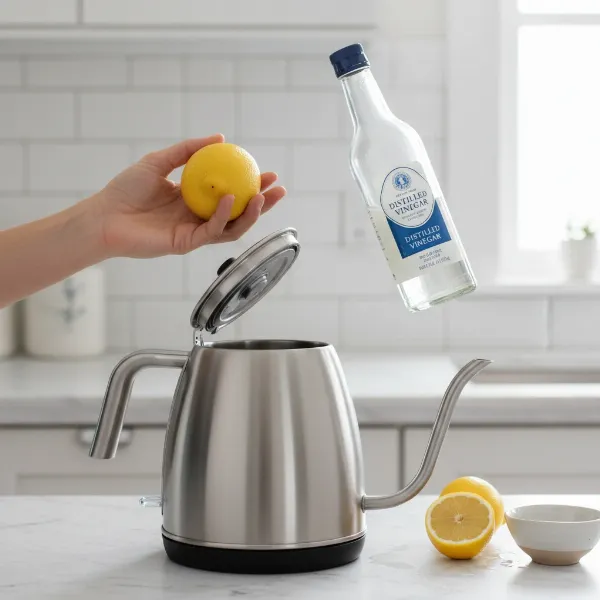
- Descaling: Mineral deposits (limescale) from hard water are a kettle’s worst enemy, reducing efficiency and potentially damaging components. Descale your kettle every 1-3 months, depending on water hardness. A common method involves filling the kettle with equal parts white vinegar and water, boiling it, letting it sit for 30 minutes, then rinsing thoroughly.
- Extending Lifespan: Avoid overfilling, as this can cause boiling water to spill and potentially damage electrical components. Use filtered water if you live in a hard water area to minimize mineral buildup.
Common Electric Kettle Problems and Solutions
Before delving into the thermostat, let’s look at some general issues.
- Kettle not turning on: First, check if the kettle is properly plugged into a functioning power outlet. Test the outlet with another appliance. Inspect the power cord and plug for any visible damage. Ensure the on/off switch isn’t stuck or faulty.
- Kettle taking too long to boil: Limescale buildup is the most common cause. Descale the kettle as described above. Also, ensure you’re not overfilling it, as a larger volume of water naturally takes longer to heat.
- Kettle leaking: Check the seals and gaskets around the lid, spout, and base for wear and tear. Cracks or brittleness might require replacing these components. Ensure the lid is properly secured.
- Unusual smells: A new kettle might have a slight plastic smell which typically dissipates after a few boils. Persistent burning smells could indicate an electrical fault, in which case you should immediately unplug the kettle and discontinue use.
How to Check the Thermostat on Your Electric Kettle
The thermostat is a critical safety and functionality component in your electric kettle. If your kettle isn’t heating at all, isn’t switching off after boiling, or turns off too early, the thermostat is likely the culprit.
Understanding the Thermostat’s Role
Most electric kettles utilize a bimetallic strip thermostat. This strip consists of two different metals bonded together, each expanding at a different rate when heated. When steam from boiling water is channeled to this thermostat (often located near the base or in the handle), the bimetallic strip rapidly flexes, which in turn triggers a lever that cuts off the electrical circuit, safely switching off the kettle. More advanced kettles may use electronic sensors for precise temperature control.
Signs of a Faulty Thermostat
Recognizing the symptoms of a failing thermostat is the first step in troubleshooting:
- The kettle does not heat up at all: This could indicate the thermostat is stuck in an “open” circuit position, preventing power from reaching the heating element.
- The kettle heats water but does not shut off: A dangerous sign, meaning the thermostat isn’t sensing the boiling point or isn’t triggering the shut-off mechanism. This can lead to dry boiling and potential hazards.
- The kettle turns off prematurely before water reaches boiling point: The thermostat might be oversensitive or faulty, tripping too early.
- Unusual noises or smells during operation: While some noises are normal during boiling, strange clicking, buzzing, or burning smells associated with erratic shut-off behavior could point to a thermostat issue.
Tools You’ll Need
To properly check the thermostat, you’ll need a few basic tools:
- Screwdrivers: Both flathead and Phillips, for disassembling the kettle.
- Multimeter: Essential for electrical testing (set to continuity or resistance/ohms).
- Pliers: For handling small wires and connectors.
- Insulating tape: For securing connections if replacement is needed.
- Hairdryer (optional): To simulate heat for testing steam-activated thermostats.
Step-by-Step Thermostat Testing with a Multimeter
Always prioritize safety: Unplug your electric kettle before beginning any inspection or repair. Ensure you are working in a dry area with insulated tools.
- Disassemble the Kettle: Carefully remove the screws from the base and handle of your kettle. Most thermostats are located in the kettle’s base or sometimes in the handle, near the heating element. Keep track of all screws and components for reassembly.
- Locate the Thermostat: The thermostat is typically a silver or black cylindrical component connected by two wires. In steam-activated kettles, you might see a small tube leading steam from the boiling chamber to the thermostat.
- Inspect Visually: Before testing, look for obvious signs of damage. Check for loose or damaged wires, signs of burning or corrosion on the contacts, or any physical damage to the thermostat itself. If contacts appear dirty or corroded, gently clean them with fine-grit sandpaper or a cleaning solution to ensure good electrical contact.
- Test with a Multimeter (Cold State):
- Set your multimeter to continuity mode (usually indicated by a diode symbol or a beeping sound) or the lowest resistance (ohms) setting.
- Carefully disconnect the wires from the thermostat terminals.
- Place the multimeter probes onto the two terminals of the thermostat.
- A functioning thermostat in a cold state should show continuity (a reading close to zero ohms, or the multimeter should beep). This indicates the circuit is closed and power can flow. If there is no reading (infinite ohms or no beep), the thermostat is likely stuck open and faulty.
- Test with a Multimeter (Heated State – for steam-activated thermostats):
- With the multimeter probes still connected to the thermostat terminals (and still showing continuity if cold), gently heat the bimetallic strip or the area around the thermostat using a hairdryer.
- As the thermostat heats up (simulating the boiling point), a functioning thermostat should “snap” open, and the multimeter should then show an open circuit (no continuity, infinite ohms, or the beeping should stop). This indicates it’s correctly cutting off power.
- If the reading does not change after heating, the thermostat is faulty and not tripping. Allow it to cool; it should return to continuity.
- Note: For some electronic or advanced temperature-controlled kettles, this heated test might not be applicable or might require different procedures based on the specific sensor type (e.g., NTC thermistors which change resistance with temperature).
What to do if the Thermostat is Faulty
- Cleaning Contacts: If your visual inspection revealed dirty or corroded contacts, cleaning them might resolve the issue, especially if the multimeter test showed intermittent continuity.
- Replacing the Thermostat: If the multimeter test confirms the thermostat is defective (no continuity when cold, or no change when heated), it needs replacement.
- Carefully remove the old thermostat from its mounting.
- Purchase a compatible universal thermostat switch. Ensure the specifications (e.g., activation temperature range, current rating, stem length, terminal type) match your original part as closely as possible for safe and effective operation.
- Install the new thermostat, ensuring all connections are secure and properly insulated to prevent short circuits.
- Reassemble your kettle by reversing the disassembly steps.
- After repair, fill the kettle with water (up to the max line), place it on a stable surface, plug it in, and test its operation. Observe if it heats, boils, and shuts off correctly.
“A well-maintained thermostat isn’t just about perfectly boiled water; it’s the guardian of your kettle’s safety, preventing potential overheating hazards.” – Alex Chen, Appliance Repair Specialist
Where to Purchase Electric Kettles
Whether you’re looking for a new kettle or replacement parts for a repair, knowing where to shop is essential.
- Appliance Stores: Physical stores offer the advantage of seeing products firsthand and getting advice from sales associates. Brands like Russell Hobbs, Philips, and Morphy Richards are widely available.
- Online Retailers: Websites like Amazon, Best Buy, and direct manufacturer sites offer a vast selection, competitive pricing, and user reviews. You can often find a wider range of brands and models, including more specialized options.
- Online Shopping Tips:
- Always check product specifications to ensure compatibility, especially when buying replacement parts like thermostats.
- Read customer reviews for insights into performance, durability, and common issues.
- Compare prices from different sellers to find the best deal.
- Verify the seller’s return policy and warranty information.
Conclusion
Understanding your electric kettle, from its foundational design to its critical components like the thermostat, empowers you to maintain it effectively and troubleshoot issues when they arise. Knowing how to check the thermostat with a multimeter is a valuable skill that can save you money and keep your morning routine running smoothly. Regular cleaning, descaling, and attentive use will ensure your kettle provides safe and efficient service for years to come. Don’t let a minor malfunction ruin your day; with the right knowledge, you can often fix it yourself. What aspect of electric kettle maintenance do you find most challenging?
Frequently Asked Questions
Why is my electric kettle not shutting off automatically?
If your electric kettle isn’t shutting off automatically, the thermostat is likely faulty. The bimetallic strip inside the thermostat may no longer be flexing correctly to trip the power switch once the water reaches boiling point, posing a safety risk.
How often should I descale my electric kettle?
You should descale your electric kettle every one to three months, depending on the hardness of your local water and how frequently you use the appliance. Regular descaling prevents mineral buildup that can reduce efficiency and damage internal components, including the thermostat.
Can I repair my electric kettle’s thermostat myself?
Yes, you can often repair an electric kettle’s thermostat yourself with basic tools like a screwdriver and a multimeter. The process involves safely disassembling the kettle, testing the thermostat for continuity, and replacing it if it’s found to be defective.
What causes an electric kettle thermostat to fail?
Electric kettle thermostats typically fail due to wear and tear over time, often accelerated by frequent boiling cycles, exposure to hard water causing mineral buildup around the sensor, or physical damage to the bimetallic strip or its contacts.
Is it safe to use an electric kettle if the thermostat is faulty?
No, it is not safe to use an electric kettle with a faulty thermostat. If the thermostat fails to shut off the kettle after boiling, it can lead to dry boiling, overheating, and potentially fire hazards. Discontinue use immediately and repair or replace the kettle.