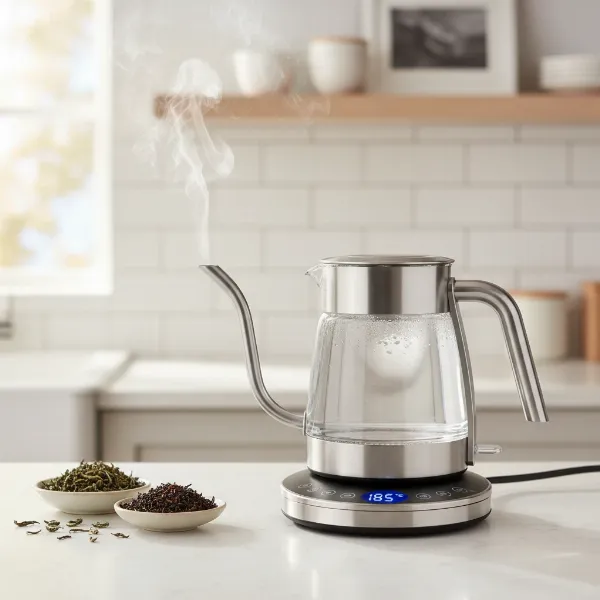
Discovering a great deal on a used electric kettle can feel like a win, offering convenience and style at a fraction of the cost. However, the thrill of a bargain often comes with a practical question: How do you ensure it’s truly clean and safe to use? A kettle purchased online or secondhand can harbor more than just dust; it might contain mineral deposits, stale odors, and residues from its previous life. Skipping the sanitization step can lead to unpleasant tastes in your tea or coffee, and more importantly, raise hygiene concerns. This comprehensive guide will walk you through a thorough cleaning and sanitizing process, transforming your pre-loved appliance into a pristine, reliable addition to your kitchen.
Why Prioritize Sanitization for a Used Kettle?
The decision to sanitize a secondhand electric kettle goes beyond simple aesthetics; it’s about health, taste, and performance. Even if a kettle appears clean, unseen residues or lingering odors can impact the quality of your hot beverages. Mineral buildup, often referred to as limescale, is a common issue that not only looks unappealing but can also reduce heating efficiency and even alter water taste. While boiling water generally kills most common bacteria, a deep clean ensures the removal of any physical contaminants and chemical residues that might have accumulated over time. A properly sanitized kettle provides peace of mind, guaranteeing every cup brewed is fresh, pure, and enjoyable.
Before You Begin: Essential Checks
Before diving into the cleaning process, take a moment for a quick inspection. Unplug the kettle and carefully examine its exterior for any visible damage like cracks, loose parts, or frayed power cords, which could pose a safety risk. If you can find the manufacturer and model number, a quick online search for the owner’s manual might reveal specific cleaning recommendations or warnings. Finally, give the interior a preliminary rinse with tap water to dislodge any loose debris, dust, or particles that may be present. This initial check helps prevent any potential issues during cleaning and ensures the kettle is safe to handle.
Step-by-Step Sanitization Process
A thorough sanitization of your used electric kettle involves several key stages, addressing both external cleanliness and internal hygiene.
Step 1: External Cleaning and Initial Rinse
|
Our Picks for the Best Electric kettle in 2026
As an Amazon Associate I earn from qualifying purchases.
|
||
| Num | Product | Action |
|---|---|---|
| 1 | Chefman Electric Kettle with Tea Infuser, Compact 1L (4 Cups), 1500W, Removable Lid for Easy Cleaning, Boil-Dry Protection, Stainless Steel Filter, BPA Free, Auto Shut Off, Small Electric Tea Kettle |

|
| 2 | OVENTE Electric Kettle, 1.5L Borosilicate Glass Countertop Water Heater and Boiler for Coffee or Tea, BPA-Free, Auto Shut-Off, Boil-Dry Protection, Removable and Washable Spout Filter, Black KG83B |
|
| 3 | Mueller Rapid Boil Electric Tea Kettle 1.8L – Borosilicate Glass & Stainless Steel – BPA-Free Hot Water Boiler, LED Light, Auto Shut-Off, Boil Dry Protection Fast Water Heater – Kitchen Appliances |
|
| 4 | Amazon Basics Electric Stainless Steel Kettle for Tea and Coffee, BPA-Free, Fast Boiling, Auto Shut-Off, 1 Liter, 1500W, Black and Silver |
|
| 5 | Cuisinart PerfecTemp 1.7-Liter Electric Kettle, Cordless Electric Tea Kettle, 1500W for Fast Heat-Up, 6 Preset Temperatures, 30-Minute Keep Warm, Stay Cool Nonslip Handle, CPK-17P1 |
|
| 6 | OVENTE Electric Kettle, 1.7L Fast Boiling Water Heater for Coffee or Tea, BPA Free with Water Level Gauge, Auto Shut-Off, Boil-Dry Protection, Indicator Light and Removable Filter, White KP72W |
|
| 7 | Cosori Electric Kettle, No Plastic Contact With Water, Wide Mouth For Easy Cleaning, Auto Shut Off, 1.7L Tea Kettle & Hot Water Boiler, Water Heater & Teapot, Borosilicate Glass, Black, 1500W |
|
| 8 | Amazon Basics Electric Kettle with Glass Carafe for Tea and Coffee, Fast Boiling, Auto Shut-Off, Boil-Dry Protection, Temperature Control, Removable Filter, 1 Liter, 1500W, BPA-Free |
|
| 9 | Chefman Electric Kettle with Temperature Control, 5 Presets LED Indicator Lights, Removable Tea Infuser, Glass Tea Kettle & Hot Water Boiler, 360° Swivel Base, BPA Free, Stainless Steel, 1.8 Liters |
|
| 10 | Chefman Electric Kettle, 1.8L 1500W, Hot Water Boiler, Removable Lid for Easy Cleaning, Auto Shut Off, Boil-Dry Protection, Stainless Steel Filter, BPA Free, Borosilicate Glass Electric Tea Kettle |
|
Begin by ensuring the kettle is completely unplugged from its power source to prevent any electrical hazards. Dampen a soft cloth with warm water and a small amount of mild dish soap, then carefully wipe down the entire exterior surface of the kettle. Pay attention to the handle, lid, and any buttons, removing fingerprints, dust, and grime. When cleaning the power base, use a slightly damp cloth and be extremely cautious to avoid getting water into any electrical components. Once the exterior is clean, rinse the kettle’s interior thoroughly with fresh tap water, emptying out any debris loosened during the initial inspection.
Step 2: Descaling with White Vinegar
Descaling is a critical step for a used kettle, as it targets mineral deposits that can affect water quality and heating performance. White vinegar is an excellent, natural descaling agent. To prepare the solution, mix one part white vinegar with three parts water. For kettles with heavy buildup, you may opt for a 1:1 ratio. Fill the kettle about halfway to three-quarters full with this vinegar-water mixture. Bring the solution to a boil, then immediately turn off the kettle or remove it from its base. Allow the solution to sit in the kettle for 10 to 20 minutes. For severe limescale, letting it soak overnight can be beneficial. After the soaking period, once the kettle has cooled, you can gently scrub any remaining stubborn spots with a non-abrasive brush or sponge. Finally, discard the vinegar solution and rinse the kettle thoroughly several times with fresh tap water to remove any loose scale and initial vinegar residue.
Step 3: Eliminating Vinegar Odor and Further Sanitization
While white vinegar is effective, its lingering smell can be unwelcome. To eradicate any residual vinegar odor and provide an extra layer of sanitization, fill the kettle completely with clean, fresh water. Bring this water to a full boil, then discard it. Repeat this process at least two to three times. This flushing action is crucial for ensuring that no vinegar taste or smell transfers to your beverages, leaving your kettle clean and odorless.
Step 4: Baking Soda Treatment for Odors and Extra Cleanliness
If, after the vinegar treatment and subsequent rinses, you still detect any faint odors or simply desire an even deeper clean, a baking soda treatment can be effective. Add one to two tablespoons of baking soda to the kettle and fill it with water. Bring this mixture to a boil and let it sit for about 10 minutes. Baking soda is a mild abrasive and odor neutralizer that can lift any remaining film or smells. After it cools, gently scrub the interior with a soft brush, then rinse the kettle multiple times with fresh water until all baking soda residue is gone.
Step 5: Cleaning the Filter (If Applicable)
Many electric kettles feature a removable mesh filter located at the spout, designed to catch limescale particles. If your kettle has one, carefully detach it. You can soak the filter in a solution of white vinegar and water (the same mixture used for descaling the kettle) for about 15-30 minutes, or gently scrub it with a small brush and a drop of dish soap. Ensure all mineral deposits are removed. Rinse the filter thoroughly under running water before reattaching it securely to the kettle. A clean filter contributes to both hygiene and the purity of your poured water.
Alternative Cleaning Solutions
Beyond vinegar and baking soda, other common household items can be used for descaling and cleaning:
- Lemon Juice: Similar to white vinegar, lemon juice contains citric acid, which is effective at breaking down mineral deposits. You can use fresh lemon juice diluted with water (equal parts) and follow the same boil-and-soak method as with vinegar. It leaves a pleasant, fresh scent.
- Citric Acid: Available in powdered form, citric acid is a powerful and odorless alternative to vinegar. Dissolve a tablespoon or two in a kettle full of water, bring to a boil, let it sit, then rinse thoroughly. It’s particularly good for tough limescale without the strong smell.
These alternatives can be particularly useful if you are sensitive to the smell of vinegar or prefer a different approach.
Post-Sanitization Care and Maintenance
Once your used kettle is thoroughly sanitized, maintaining its cleanliness is straightforward. After each use, it’s a good practice to rinse out any remaining water and allow the kettle to air dry with the lid open to prevent moisture buildup and mold. Depending on the hardness of your local water, plan to descale your kettle every two to three months, or more frequently if you notice mineral flakes appearing in your boiled water. Regular descaling not only keeps your kettle hygienic but also ensures its longevity and efficient performance. Proper storage in a clean, dry area away from food spills will further extend its pristine condition.
Common Issues and Troubleshooting with Used Kettles
Even after a comprehensive clean, you might encounter a few minor issues with a used kettle:
- Lingering Odors or Tastes: If a faint smell or off-taste persists, repeat the boiling-water rinses several times. A second baking soda treatment can also help neutralize stubborn odors.
- Still Seeing Mineral Flakes: This indicates persistent limescale. Try a more concentrated vinegar solution (e.g., equal parts vinegar and water) and let it soak for a longer duration, possibly overnight, before scrubbing and rinsing.
- Kettle Not Heating: While cleaning addresses hygiene, it generally doesn’t fix mechanical issues. If the kettle isn’t heating or powering on after cleaning, first check the power outlet and ensure the kettle is properly seated on its base. If the problem continues, it might indicate an internal electrical fault, which would require professional repair or replacement, rather than further cleaning.
Conclusion
Acquiring a used electric kettle is an eco-friendly and economical choice, but its true value is unlocked only after a thorough sanitization. By following these detailed steps, you can confidently transform any secondhand kettle into a clean, hygienic, and perfectly functional appliance. From tackling stubborn limescale with white vinegar to neutralizing odors with baking soda and ensuring every component is sparkling, this process guarantees your kettle is safe and ready to perform. Embrace the satisfaction of knowing your water is pure, and your new-to-you kettle is in optimal condition. What’s your favorite beverage to brew in your freshly sanitized kettle?
Frequently Asked Questions
Is it safe to use a secondhand electric kettle?
Yes, it is generally safe to use a secondhand electric kettle provided it is in good working order and has been thoroughly cleaned and sanitized. Always inspect for damage, frayed cords, or electrical issues before use, and follow a deep cleaning process to remove residues and ensure hygiene.
How often should I clean my electric kettle?
For optimal performance and hygiene, you should rinse your kettle after each use and descale it every 2-3 months, or more frequently if you live in an area with hard water or notice mineral buildup.
Can I use bleach to sanitize my kettle?
No, it is absolutely not recommended to use bleach or other harsh chemical cleaners inside an electric kettle. Bleach can leave dangerous residues that are harmful if ingested and can also damage the kettle’s internal components. Stick to natural, food-safe descaling and cleaning agents like white vinegar, baking soda, or lemon juice.
What causes the white flakes in my kettle?
The white flakes or chalky residue in your kettle are caused by limescale, which is a mineral buildup (primarily calcium and magnesium carbonates) from hard water. When water is boiled, these minerals precipitate out and accumulate on the heating element and interior surfaces.
Does boiling water kill all bacteria in a kettle?
Boiling water at 100°C (212°F) is effective at killing most common bacteria and viruses. However, while boiling sterilizes the water, it does not remove mineral deposits, chemical residues, or other physical contaminants that may be present in a used kettle, which is why a thorough physical cleaning and descaling are still essential.